The result is fetched from the commons remote source and it is likely for generated content to contain information that is not available from within the current wiki.
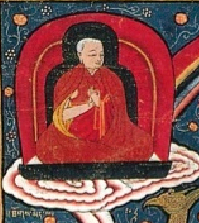
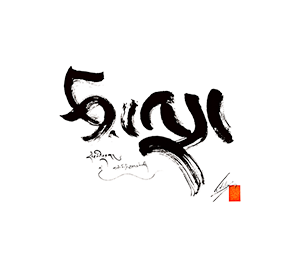
Gyalse Tokme Zangpo
རྒྱལ་སྲས་ཐོགས་མེད་བཟང་པོ་
1295 – 1369
Gyalse Tokme Zangpo was a Kadampa master of the fourteenth century based at Ngulchu Monastery where he sat in retreat for twenty years. He had previously served as the abbot of
Bodong E for about nine years, from 1326 to 1335. Significant in the transmission of Lojong teachings, his compositions include the famous
Thirty-seven Practices of the Bodhisattva, one of the classics of Tibetan buddhist literature. A specialist in tantric Mahākaruṇā, he was a
disciple of Butön Rinchen Drup and a teacher of Rendawa Zhönu Lodrö, and is counted as seventy-third in the Lamrim lineage.
... read more at

རྒྱལ་སྲས་ཐོགས་མེད་བཟང་པོ་ནི། དཔལ་ལྡན་ས་སྐྱའི་ཉེ་འཁོར་དུ་ཡབ་དཀོན་མཆོག་དཔལ་དང་ཡུམ་འབུམ་སྒྲོན་གྱི་སྲས་སུ་འཁྲུངས། ཆུང་དུས་ནས་ཐེག་པ་ཆེན་པོའི་རིགས་སད་པས་སེམས་ཅན་གྱི་སྡུག་བསྔལ་ལ་མ་བཟོད་པར་བཤུམས་པ་དང་། གྲང་ངར་གྱིས་ཉེན་པའི་ཤིང་བུའི་ཕུང་པོ་ལའང་རང་གི་གོས་བཀབ་ནས་སྐྱོབ་པར་མཛད་པ་སོགས་སྙིང་རྗེ་ཆེན་པོའི་མངའ་
བདག་ཅན་དུ་གྱུར། མདོ་སྔགས་ཀྱི་གཞུང་ལུགས་མ་ལུས་པ་ཐོགས་པ་མེད་པར་མཁྱེན་ཅིང་། ཚུལ་ཁྲིམས་རྣམ་པར་དག་པས་བསྟན་པའི་རྒྱལ་མཚན་འཛིན་པར་མཛད། ལྷག་པར་དུ་
བདག་གཞན་མཉམ་བརྗེ་དང་། བྱང་ཆུབ་ཀྱི་སེམས་ཉམས་བཞེས་ཀྱི་སྙིང་པོར་མཛད་པས་མཁས་གྲུབ་ཀུན་གྱིས་སངས་རྒྱས་གཉིས་པ་ལྟ་བུར་བཀུར་བའི་འགྲོ་བའི་དཔལ་མགོན་དུ་གྱུར། གང་ཉིད་ཀྱི་མཛད་པ་མཐར་ཕྱིན་ཏེ། མཐར་ས་གཡོ་བ་དང་འཇའ་འོད་ཀྱི་སྣང་བ་སོགས་ངོ་མཚར་བའི་ལྟས་བཟང་པོ་དུ་མ་དང་བཅས་ཏེ་ཆོས་ཀྱི་དབྱིངས་སུ་གཤེགས་སོ། །
Philosophical positions of this person
Do all beings have buddha-nature?
Yes
"Gyelsé Tokmé equates the naturally purified dharma-body with the tathāgata-essence by arguing that it is precisely because the latter exists in all beings that one can claim that the former exists in all beings also. However, unlike Dölpopa, he never explicitly says in his commentary that sentient beings have a fully enlightened buddha within." Wangchuk, Tsering, The Uttaratantra in the Land of Snows, p. 62.
To which "turning of the wheel" do the buddha-nature teachings belong?
Third Turning
Is buddha-nature equated with
emptiness or alayavijnana?
What is Buddha-nature?
Tathāgatagarbha as the Latent State of Buddhahood that is Obscured in Sentient Beings
Does the author advocate the Svatantrika or Prasangika view of
emptiness?
Other names
- རྒྱལ་སྲས་ཐོགས་མེད་བཟང་པོ་ · other names (Tibetan)
- ཐོགས་མེད་བཟང་པོ་དཔལ་ · other names (Tibetan)
- རྒྱལ་སྲས་དངུལ་ཆུ་ཐོགས་མེད་ · other names (Tibetan)
- རྒྱལ་སྲས་ཆོས་རྫོང་པ་ · other names (Tibetan)
- དཀོན་མཆོག་བཟང་པོ་ · other names (Tibetan)
- བཟང་པོ་དཔལ་ · other names (Tibetan)
- rgyal sras thogs med bzang po · other names (Wylie)
- thogs med bzang po dpal · other names (Wylie)
- rgyal sras dngul chu thogs med · other names (Wylie)
- rgyal sras chos rdzong pa · other names (Wylie)
- dkon mchog bzang po · other names (Wylie)
- bzang po dpal · other names (Wylie)
Affiliations & relations
- Kadam · religious affiliation
- red mda' ba gzhon nu blo gros · student
- 'jam dbyangs don yod rgyal mtshan · student