The result is fetched from the commons remote source and it is likely for generated content to contain information that is not available from within the current wiki.
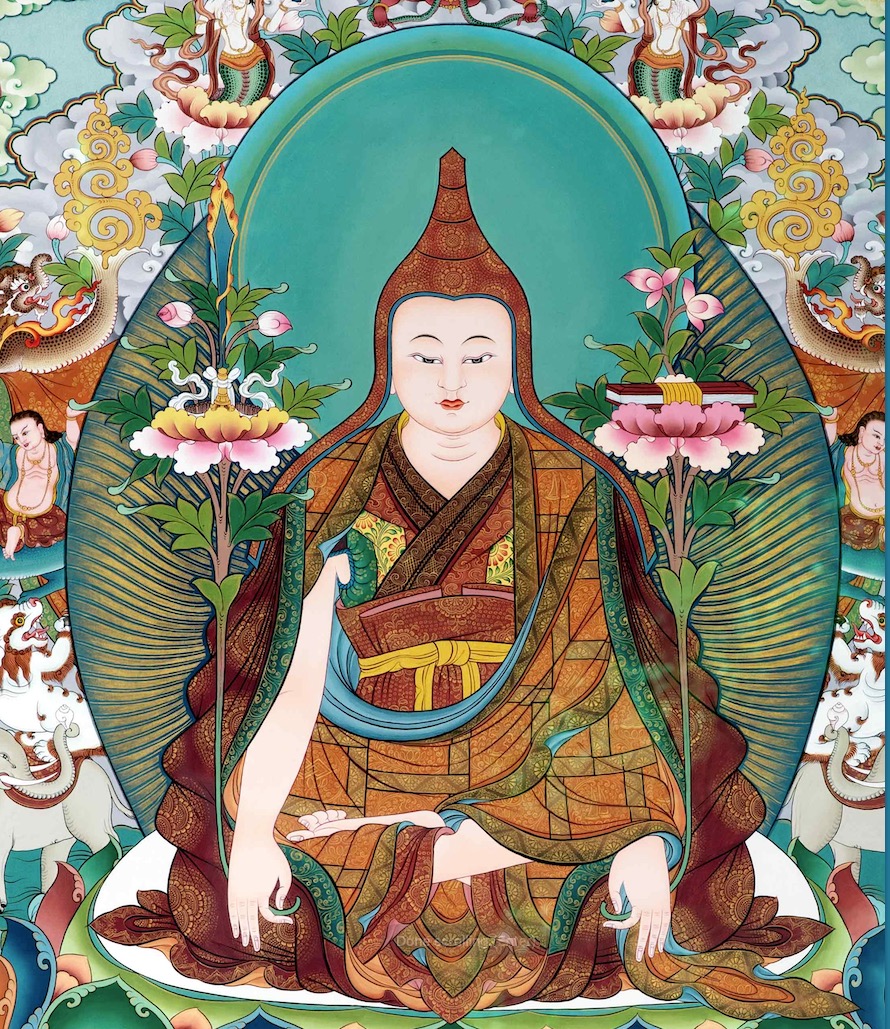
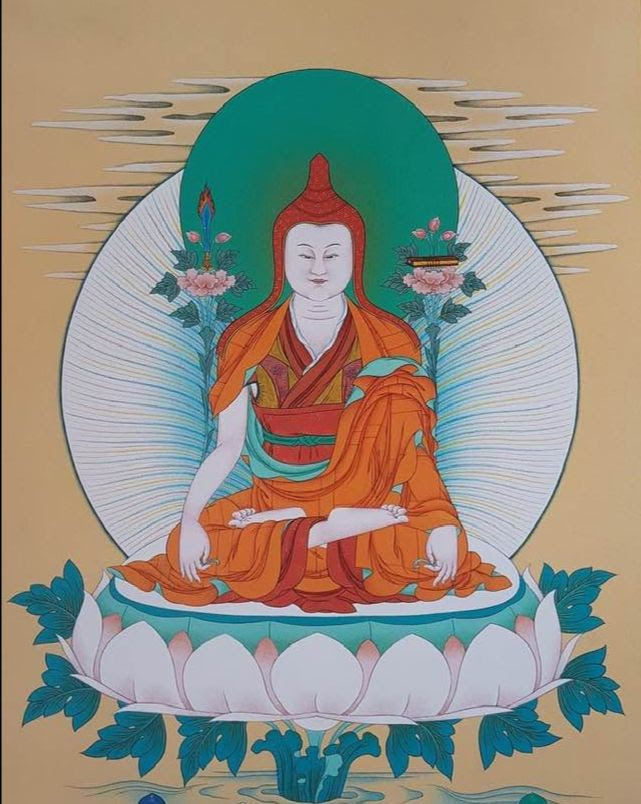
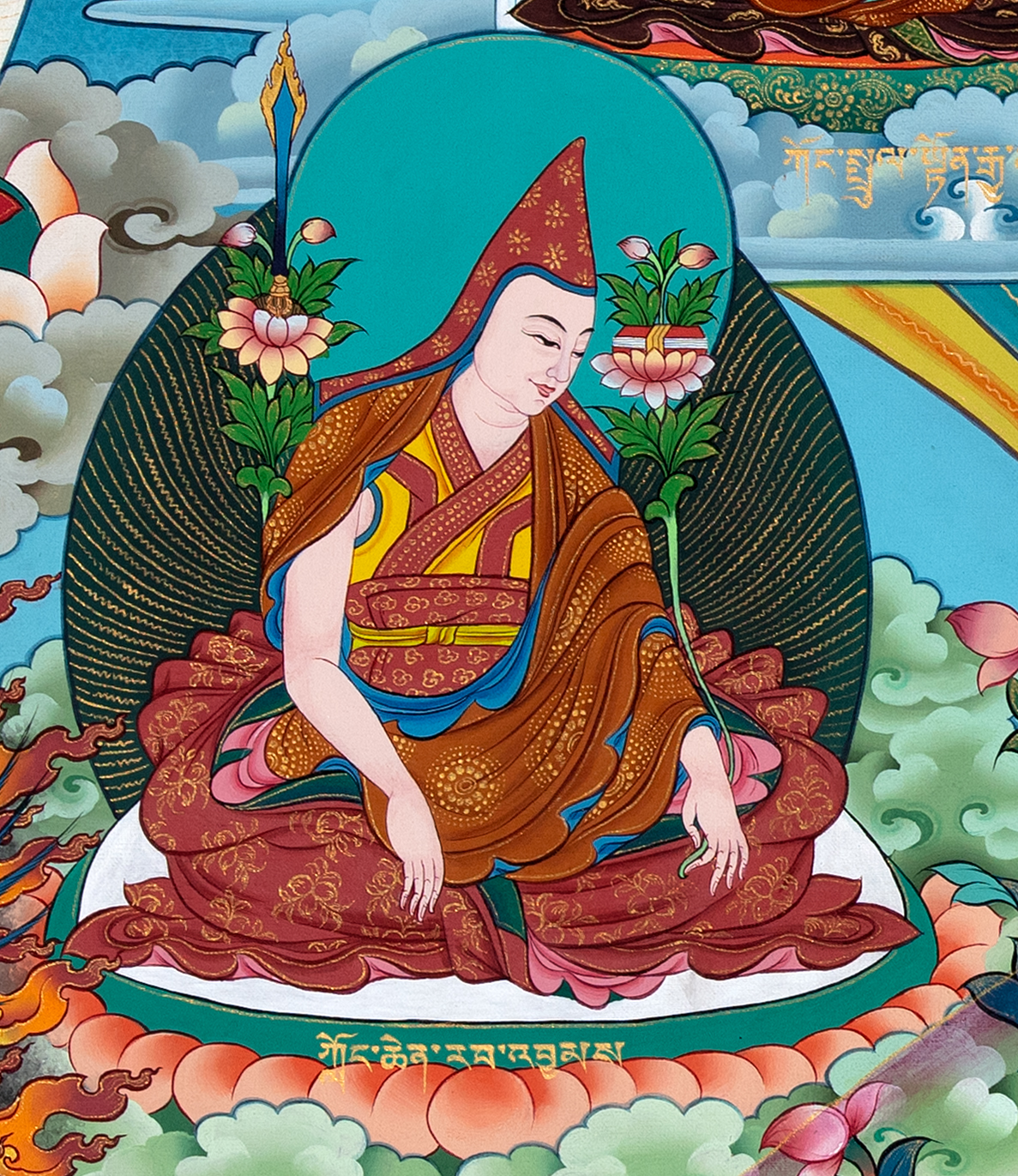
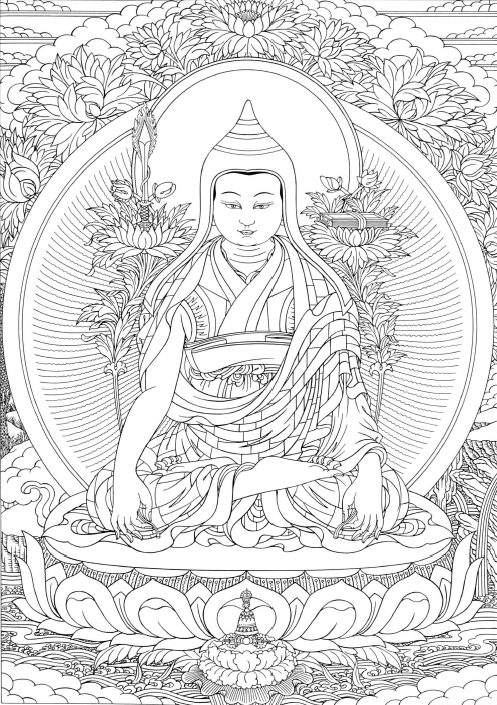
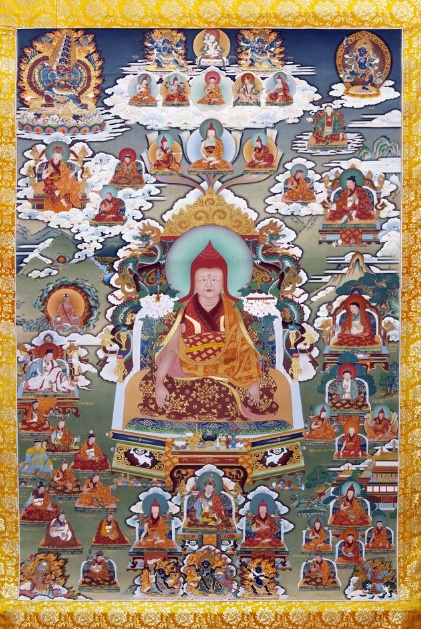
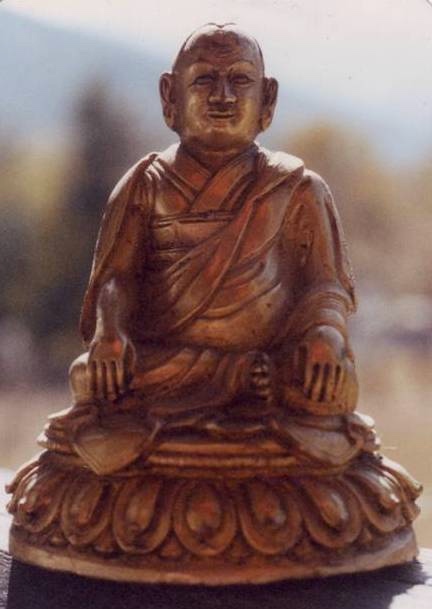
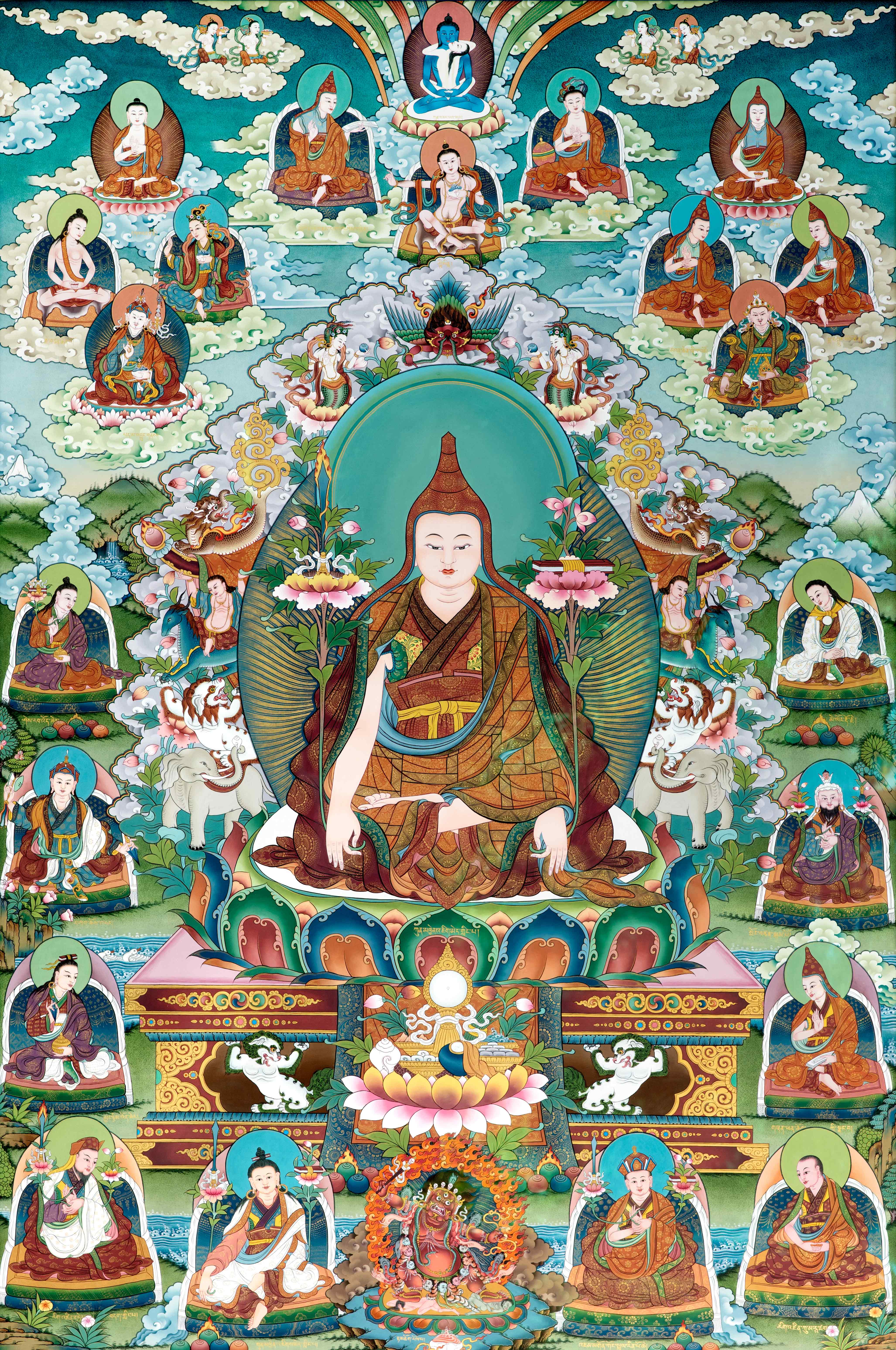
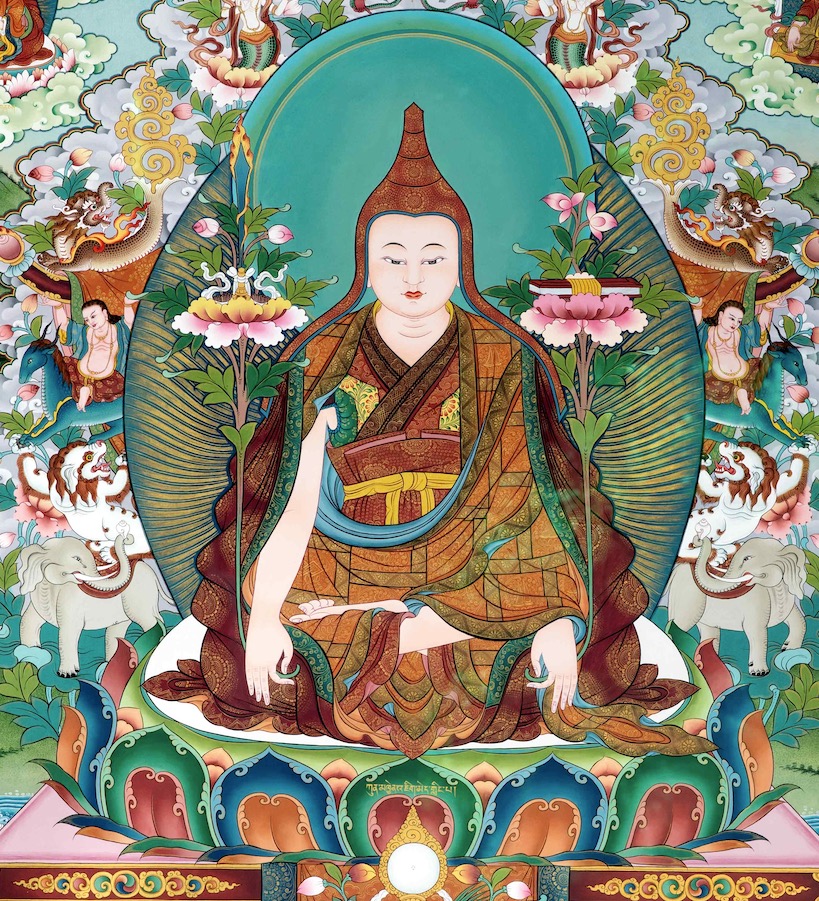
Longchen Rabjam Drime Özer
ཀློང་ཆེན་རབ་འབྱམས་
1308 – 1364
Also known as Klong chen pa (Longchenpa). An esteemed master and scholar of the Rnying ma sect of Tibetan Buddhism known especially for his promulgation of rdogs chen. Klong chen pa is believed to be the direct reincarnation of Padma las 'brel rtsal, who revealed the Rdzogs chen snying thig, and also of Padma gsal, who first received those teachings from the Indian master Padmasambhava. Born in the central region of G.yo ru (Yoru), he received ordination at the age of twelve. At nineteen, he entered Gsang phu ne'u thog monastery where he engaged in a wide range of studies, including philosophy, numerous systems of sūtra and tantra, and the traditional Buddhist sciences, including grammar and poetics. Having trained under masters as diverse as the abbots of Gsang phu ne'u thog and the third Karma pa, Rang 'byung rdo rje, he achieved great scholarly mastery of numerous traditions, including the Rnying ma, Sa skya, and Bka' brgyud sects. However, Klong chen pa quickly became disillusioned at the arrogance and pretention of many scholars of his day, and in his mid-twenties gave up the monastery to pursue the life of a wandering ascetic. At twenty-nine, he met the great yogin Kumārarāja at Bsam yas monastery, who accepted him as a disciple and transmitted the three classes of rdzogs chen (rdzogs chen sde gsum), a corpus of materials that would become a fundamental part of Klong chen pa's later writings and teaching career . . . Among the most important and well-known works in Klong chen pa's extensive literary corpus are his redaction of the meditation and ritual manuals of the heart essence (Snying thig), composed mainly in the hermitage of Gangs ri thod dkar. Other important works include his exegesis on the theory and practice of rdzogs chen, such as the Mdzod bdun (“seven treasuries”) and the Ngal gso skor gsum (“Trilogy on Rest”). (Source: “Klong chen rab 'byams.” In The Princeton Dictionary of Buddhism, 439. Princeton University Press, 2014. http://www.jstor.org/stable/j.ctt46n41q.27.)ས་ཧོར་དུར་ས་དབུས་གཙང་ཀུན་ལ་འབེབས༔ མཆོད་རྟེན་འོག་ནས་ཐོད་པ་ཁྱི་ཡིས་གཡེང༔ བསམ་ཡས་མཆིམས་ཕུར་སྦས་པའི་གཏེར་ཁ་འདི༔ མི་བཞག་འདོན་པའི་རྟགས་དེ་བསྟན་ནས་འབྱུང༔ གཏེར་སྟོན་དྲི་མེད་འོད་ཟེར་ཞེས་བྱ་འབྱུང༔ ཞེས་པའི་གཏེར་སྟོན་དྲི་མེད་འོད་ཟེར་ནི། དོན་དམ་པར་སློབ་དཔོན་བི་མ་ལའི་སྙིང་ཏིག་གི་བསྟན་པ་ཡིད་དཔྱོད་དང་འདྲེས་པའི་སྐབས་ལོ་བརྒྱ་བརྒྱ་ན་བི་མ་ལའི་སྤྲུལ་པ་རེ་འབྱོན་པར་གསུངས་པ་དང་། སྒྲ་ཐལ་འགྱུར་ཆེན་པོའི་རྒྱུད་ལས། དེ་རྗེས་བློ་གྲོས་མཆོག་གིས་འཛིན། །ཞེས་གསལ་བར་ལུང་བསྟན་པ་ལྟར་པཎ་ཆེན་དྲི་མེད་བཤེས་གཉེན་གྱི་རྣམ་འཕྲུལ་དུ་གྲུབ་ནའང་དགོས་པའི་དབང་གིས་རྒྱལ་པོའི་ལྷ་ལྕམ་པདྨ་གསལ་གྱི་སྐྱེ་མཐའ་སྤྲུལ་པའི་སྐུ་པདྨ་ལས་འབྲེལ་རྩལ་གྱི་གཏེར་ལུང་དུ། དེ་རྗེས་ལོངས་སྐུའི་ཞིང་ཁམས་དར་གཅིག་ཉུལ་བར་གསུངས་པ་ཀུན་མཁྱེན་ཆེན་པོ་འདི་ཉིད་དུ་ངེས་པས། དེས་ན་ལས་འབྲེལ་གྱི་སྐྱེ་བ་དེ་མ་ཐག་པའོ། །འཁྲུངས་ཡུལ་གཡོ་རུ་གྲ་ནང་གི་སའི་ཐིག་ལེ་སྟོད་གྲོང་དུ་ངན་ལམ་བཙན་པོ་འོད་ཀྱི་དཀྱིལ་འཁོར་ཅན་ཞེས་བྱ་བ་སློབ་དཔོན་རྒྱལ་བ་མཆོག་དབྱངས་དང་རུས་གཅིག་པའི་གདུང་རབས་ཉེར་ལྔ་པ། མེས་པོ་ལྷ་སྲུང་ཞེས་བདུད་རྩིའི་བཅུད་ལེན་གྲུབ་པ་དེའི་སྲས་སློབ་དཔོན་བསྟན་སྲུང་ཞེས་རིག་པའི་གནས་དང་སྔགས་ཀྱི་རྣལ་འབྱོར་ལ་རང་བྱན་ཆུད་པ་དེས། ཡུམ་འབྲོམ་བཟའ་མ་བསོད་ནམས་རྒྱན་མ་བདག་གིར་བཞེས་པའི་སྲས་སུ་སྐྱེ་བའི་མྱུ་གུ་བཟུང་། རབ་བྱུང་ལྔ་པའི་ཕུར་བུ་ས་སྤྲེལ་དབོ་ཟླ་བའི་ཚེས་བཅུར། ཞིང་གི་ཉེ་ལོགས་ན་ཁ་ཞིག་ཏུ་སྐུ་འཁྲུངས། གསུང་བྱེ་བ་ཙམ་ནས་སྐྱེས་བུ་དམ་པའི་རིགས་གསལ་བར་སད། ལོ་ལྔ་ནས་འབྲི་ཀློག་བརྡའ་བསྟན་པ་ཙམ་གྱིས་མཁྱེན། ལོ་བདུན་པ་ནས་ཡབ་ལ་མངའ་བདག་པའི་བླ་མ་ཞི་དྲག །བཀའ་བརྒྱད་བདེ་འདུས་སོགས་ཀྱི་དབང་ལུང་མན་ངག་ཕྱག་བཞེས་བཅས་པ་དང་། སྨན་རྩིས་སོགས་ཀྱང་གསན་ཅིང་ཀུན་ཆུབ་པར་མཛད། བཅུ་གཉིས་པ་ལ་བསམ་ཡས་སུ་མཁན་པོ་བསམ་འགྲུབ་རིན་ཆེན་དང་སློབ་དཔོན་ཀུན་དགའ་འོད་ཟེར་ལས་རབ་ཏུ་བྱུང་བའི་མཚན་ཚུལ་ཁྲིམས་བློ་གྲོས་སུ་གསོལ། འདུལ་བ་ལ་སྦྱངས་ཤིང་བཤད་གསར་མཛད་པས་མཁས་པའི་སྙན་གྲགས་ཐོབ། བཅུ་དགུ་པ་ལ་གསང་ཕུ་ནེའུ་ཐོག་ཏུ་སློབ་དཔོན་བཙན་དགོན་པ་དང་ཁྱད་པར་བླ་བྲང་པ་ཆོས་དཔལ་རྒྱལ་མཚན་དང་གཞོན་ནུ་རིན་ཆེན་གཉིས་ལས་ཕར་ཚད་ཀྱི་གཞུང་འགྲེལ་གསན་ཅིང་མཐའ་དག་བྱང་ཆུབ། སློབ་དཔོན་གཞོན་ནུ་རྒྱལ་པོ་ལས་དབུ་མ་རྩ་འཇུག་སོགས་དང་། དཔང་ལོ་ཆེན་པོ་ལས་མངོན་པ་གོང་འོག་དང་ཏིང་ངེ་འཛིན་རྒྱལ་པོ་སོགས་ཟབ་མོ་མདོ་ལྔའི་བཤད་པ། སྙན་ངག་སོགས་ཐ་སྙད་ཀྱི་གཙུག་ལག་རྣམས་གསན་ཅིང་ཁོང་དུ་ཆུད་ནས་ལུང་རིགས་སྨྲ་བའི་སྡེ་རྣམས་སུ་གྲ་སྐོར་མཛད་པས་སྤོབས་པ་བསམ་གྱིས་མི་ཁྱབ་པས་བསམ་ཡས་པ་ལུང་མང་པོ་ཞེས་སྙན་པར་གྲགས། དེ་དག་གི་སྔ་ཕྱི་ཅི་རིགས་པར་འབྲས་སྤུངས་དན་འབག་གི་ཆོས་གྲྭར་སློབ་དཔོན་གཞོན་ནུ་དོན་གྲུབ་ལས་མདོ་སྒྱུ་སེམས་གསུམ། གསང་འདུས་སྤྱོད་རྒྱུད་སོགས་ཀྱི་དབང་ཁྲིད་བཤད་བཀའ། སློབ་དཔོན་བཀྲ་ཤིས་རིན་ཆེན་ལས་བདེ་མཆོག །ལམ་འབྲས་སྦྱོར་དྲུག་ཞི་བྱེད། རྫོགས་ཆེན་སེམས་ཕྱོགས་སྐོར། གཞོན་ནུ་རྡོ་རྗེ་ལས་བཀའ་གདམས་སྐོར། མཐིང་མ་བ་གྲགས་འོད་ལས་བཀའ་བརྒྱད་བདེ་འདུས་སོགས་ཟབ་གཏེར་གྱི་སྐོར་མང་པོ། གཞན་ཡང་རྒྱལ་དབང་རང་བྱུང་རྡོ་རྗེ། ས་སྐྱ་པ་བླ་མ་བསོད་ནམས་རྒྱལ་མཚན་སོགས་ཡོངས་འཛིན་ཉི་ཤུ་ལྷག་ཙམ་ལས་དུས་དེར་བོད་ཡུལ་དུ་གྲགས་པའི་མདོ་སྔགས་མན་ངག་དང་བཅས་པ་ཕལ་ཆེར་གསན་ཅིང་། རྩིས་སོགས་ཐ་སྙད་ཤེས་བྱའི་ཆོས་ཚུལ་མཐའ་དག་ལ་མཁས་པར་མཛད། མི་གཡོ་བ། དབྱངས་ཅན་མ། ཕག་མོ་དཀར་མོ་སོ་སོར་བསྒྲུབས་པས་བློ་གྲོས་ཀྱི་མཐུ་ཆེན་པོ་གྲུབ་པའི་ཚུལ་བསྟན། རྗེ་བཙུན་སྒྲོལ་མས་རྟག་ཏུ་བྱིན་གྱིས་བརླབས་ཤིང་དངོས་གྲུབ་སྩོལ་བའི་དབུགས་དབྱུང་ཐོབ། ཁྱད་པར་དགུང་ལོ་ཉེར་བདུན་པར་ཡི་དམ་ལྷས་ལུང་བསྟན་པ་ལྟར་རིག་འཛིན་ཆེན་པོ་ཀུ་མཱ་ར་ཛའི་སྤྱན་སྔར་བྱོན་ཏེ་སྙིང་ཐིག་ཆེན་མོའི་དབང་རྒྱུད་མན་ངག་མཐའ་དག་གཙོ་བོར་གྱུར་པའི་སྨིན་གྲོལ་གྱི་ཆོས་ཀྱི་བདུད་རྩི་མཐའ་ཡས་པ་བཞེས་ཤིང་བྱ་བྲལ་ཀུན་སྤངས་པ་ཁོ་ནའི་ཚུལ་གྱིས་ལོ་བདུན་དུ་སྒྲུབ་པ་ཉམས་བཞེས་སྙིང་པོར་མཛད་པས་བླ་མ་དང་ལྷག་པའི་ལྷ་དུ་མས་བྱིན་གྱིས་བརླབས་ཤིང་རིག་པ་ཚད་ཕེབ་ཆེན་པོའི་ས་ལ་གཤེགས་ཏེ་ལོངས་སྐུའི་ཞིང་ཁམས་ཉུལ་བའི་ཚུལ་མཛད། ཤན་པ་སྲོག་སྒྲུབ་མས་གཏེར་དཔེ་དངོས་སུ་ཕུལ་ཅིང་ཨོ་རྒྱན་ཡབ་ཡུམ་གྱིས་བྱིན་གྱིས་བརླབས་པ་ལ་བརྟེན་མན་ངག་མཁའ་འགྲོ་སྙིང་ཐིག་གི་བཀའ་བབས། དགོངས་གཏེར་བསྟན་བཅོས་ཀྱི་ཚུལ་དུ་སྙིང་ཐིག་རྣམ་གཉིས་ཀྱི་བཀའི་བསྡུ་བ་ཡང་ཏིག་གསུམ་གྱིས་གཏན་ལ་ཕབ་ཅིང་རྒྱབ་ཆོས་སུ་མཛོད་ཆེན་བདུན་དང་ཤིང་རྟ་རྣམ་གསུམ་སོགས་རྒྱ་ཆེར་བསྩལ་པས་གཙོ་བོར་ཟབ་མོ་དགོངས་པའི་གཏེར་ཞེས་གྲགས་པ་ཐམས་ཅད་ཀྱི་རྒྱལ་པོར་གྲུབ་པས་ན་བྱང་པ་བདག་པོས་ཀྱང་། དྲི་མེད་འོད་ཟེར་ཀུན་མཁྱེན་ཐུགས་གཏེར་མཛོད། །སྒོ་འཕར་འབྱེད་ལ་གཞན་གྱིས་འགྲན་ཟླ་བྲལ། །ཞེས་བསྔགས་པས་མཚོན་ནོ། །དེ་ལྟ་བུའི་རྫོགས་པ་ཆེན་པོ་མན་ངག་སྡེའི་ཆོས་ཀྱི་འཁོར་ལོ་རྒྱ་ཆེར་བསྐོར་ཅིང་སེང་གེའི་སྒྲ་ཆེན་པོ་བསྒྲགས་པས་གངས་ཅན་ལྗོངས་སུ་ཁྱབ་པར་མཛད་ཅིང་རྒྱུན་ད་ལྟའི་བར་དུ་མ་ཉམས་པས་བཀའ་དྲིན་བསམ་གྱིས་མི་ཁྱབ། མཐར་དགུང་ལོ་ལྔ་བཅུ་རྩ་དྲུག་བཞེས་པ་ཆུ་མོ་ཡོས་ཀྱི་ལོ་རྒྱལ་ཟླ་བའི་བཅོ་བརྒྱད་ལ་མཆིམས་ཕུ་ནགས་ཀྱི་དུར་ཁྲོད་ཆེན་པོར་རྟགས་དང་ཆོ་འཕྲུལ་མཐའ་ཡས་པ་འདུ་མཛད་དེ་མངོན་པར་བྱང་ཆུབ་པའི་ས་ལ་གཤེགས་སོ། །བྱེ་བྲག་ཏུ་གོང་གི་ལུང་བསྟན་གྱི་དོན་རང་ཉིད་རྟོགས་པ་མངོན་ཏུ་གྱུར་པས་ས་གཏེར་རྒྱ་ཆེར་བཞེས་པ་མ་མཛད་ནའང་བསམ་ཡས་མཆིམས་ཕུ་ནས་སྒྲོན་བཞིའི་འོད་གསལ་སོགས་ཤོག་དྲིལ་གསུམ་ཙམ་བཞེས་པ་གཏན་ལ་ཕབ་ནས་དེང་སང་སྐུའི་སྐྱེ་མཐའ་པདྨ་གླིང་པའི་ཀུན་བཟང་དགོངས་འདུས་ཀྱི་ཆོས་སྡེར་ཆོས་ཚན་ལྔ་བཞུགས་པ་འདི་ཡིན་ལ། དགོངས་གཏེར་ཡང་ཏིག་རྣམ་གསུམ་གྱི་སྨིན་གྲོལ་རྒྱ་བརྟེན་ཡོངས་སུ་རྫོགས་པ་དང་། མཛོད་བདུན་ངལ་གསོ་སྐོར་གསུམ། ཕྱོགས་བཅུ་མུན་སེལ་སོགས་ཀྱི་ལུང་དང་ཁྲིད་རྒྱུན་ཅི་རིགས། གསུང་ཐོར་བུའི་སྐོར་སོགས་དེང་སང་རྒྱུན་བཞུགས་སོ་ཅོག་འབད་པ་ཆེན་པོས་ཉན་ཅིང་། ཁྱད་པར་སྙིང་ཐིག་ཆེན་མོ་མ་བུའི་ཁྲིད་ཚུལ་ཀུན་མཁྱེན་གཉིས་པ་རྡོ་རྗེ་གཟི་བརྗིད་ཀྱི་ཞལ་སྔ་ནས་ཉམས་ཁྲིད་ཀྱི་ཚུལ་དུ་ཞུས་ཤིང་ཉམས་ལེན་གྱི་འབྲེལ་འཇོག་དང་ཁྲིད་ཡིག་འདུས་གསལ་དུ་སྤེལ། ཡང་ཁྲོད་ཀུན་བཟང་བདེ་ཆེན་འོད་གསལ་གླིང་གི་སྒོམ་གྲར་ཉམས་ལེན་ཁྲིགས་ཆགས་སུ་བཙུགས་པ་སོགས་ཕྱོགས་འདིའི་བསྟན་པ་ལའང་བྱ་བ་ཅུང་ཟད་བྱས་པ་ཡིན་ཅིང་། ཕྱིས་འདིར་རྗེ་བླ་མར་བཀའ་བབས་པའི་མན་ངག་མཁའ་འགྲོ་ཡང་ཏིག་གི་སྙིང་པོ་མཁའ་འགྲོའི་ཟབ་ཏིག་རིམ་པ་གསུམ་པ་ཟབ་འདྲིལ་ཁྱད་པར་ཅན་བཞུགས་པའང་སྐལ་པ་བཟང་པོའི་དཔྱིད་དུ་ཐོབ།
Philosophical positions of this person
Do all beings have buddha-nature?
Qualified Yes
It exists in sentient beings, though it is very difficult to perceive due to being hindered by adventitious stains, which are explained in detail in the long quote in Mathes, K., A Direct Path to the Buddha Within, p. 100.
"Longchenpa, thus, adduces the crucial stanza I.28 from the Ratnagotravibhāga, which lists the three reasons for the presence of buddha nature in sentient beings. In his explanation of the third reason ("because of the potential"), Longchenpa equates potential with the dzogchen term awareness, adopting as he does the reading rig instead of rigs (potential), and glossing buddha nature as rigpa in the following paraphrase. In other words, all sentient beings possess buddha nature because of their intrinsic primordial awareness." Mathes, K., A Direct Path to the Buddha Within, p. 100.
To which "turning of the wheel" do the buddha-nature teachings belong?
Third Turning
Duckworth, D., Mipam on Buddha-Nature, pp. 2-4.
- Though much like Mipham in his steed, Longchenpa presents a combination of second and third wheel teachings in his presentations of buddha-nature with the emptiness of the second and the appearance of wisdom, etc. in the third as a unity. However, strictly speaking Longchenpa considers buddha-nature as taught in the RGV as belonging to the third turning.
Is buddha-nature equated with
emptiness or alayavijnana?
This is a tricky issue, as he generally predates this categorization though he does use the term, sparingly, in some of his writings, though not in the same way that it would come to be characterized by Dolpopa. Though some traditional scholars, such as Kongtrul, consider him a zhentongpa, this is not a common Nyingma view. For relevant discussions of this issue see:
"He also describes an “ultimate universal ground” (don gyi kun gzhi) in his autocommentary of his Wish-Fulfilling Treasury: “The basic element is called ‘the ultimate universal ground’ because it co-exists with the unconditioned qualities of the naturally pure nirvāna.” He says that this ground is the support for both samsāra and nirvāna, and identifies it with Buddha-nature: Due to abiding as the expanse neither conjoined with nor separable from the exalted body and wisdom, it is Buddha-nature; due to supporting all phenomena of samsāra and nirvāna, it is the abiding reality called “the ultimate universal ground”; it is unconditioned and abides as the great primordial purity..." Duckworth, D., Mipam on Buddha-Nature, p. 104.
Does the author advocate the Svatantrika or Prasangika view of
emptiness?
His presentation of emptiness clearly favors Prāsaṅgika.
Other names
- ཀློང་ཆེན་པ་ · other names (Tibetan)
- ཀློང་ཆེན་རབ་འབྱམས་ · other names (Tibetan)
- དྲི་མེད་འོད་ཟེར་ · other names (Tibetan)
- ཀུན་མཁྱེན་ཀློང་ཆེན་རབ་འབྱམས་ · other names (Tibetan)
- ཀློང་ཆེན་པ་དྲི་མེད་འོད་ཟེར་ · other names (Tibetan)
- klong chen pa · other names (Wylie)
- klong chen rab 'byams · other names (Wylie)
- dri med 'od zer · other names (Wylie)
- kun mkhyen klong chen rab 'byams · other names (Wylie)
- klong chen pa dri med 'od zer · other names (Wylie)
- Kunkhyen Longchen Rabjam · other names
- longchenpa · other names
- drime özer · other names
- Drimé Özer · other names
- Longchenpa Drime Wozer · other names
Affiliations & relations
- Nyingma · religious affiliation
- Vimalamitra · emanation of
- pad+ma las 'brel rtsal · emanation of
- rig 'dzin ku mA ra rA dza · teacher
- Karmapa, 3rd · teacher
- g.yag sde paN chen · teacher
- bsod nams rgyal mtshan · teacher
- Skyi ston grags pa rgyal mtshan · teacher