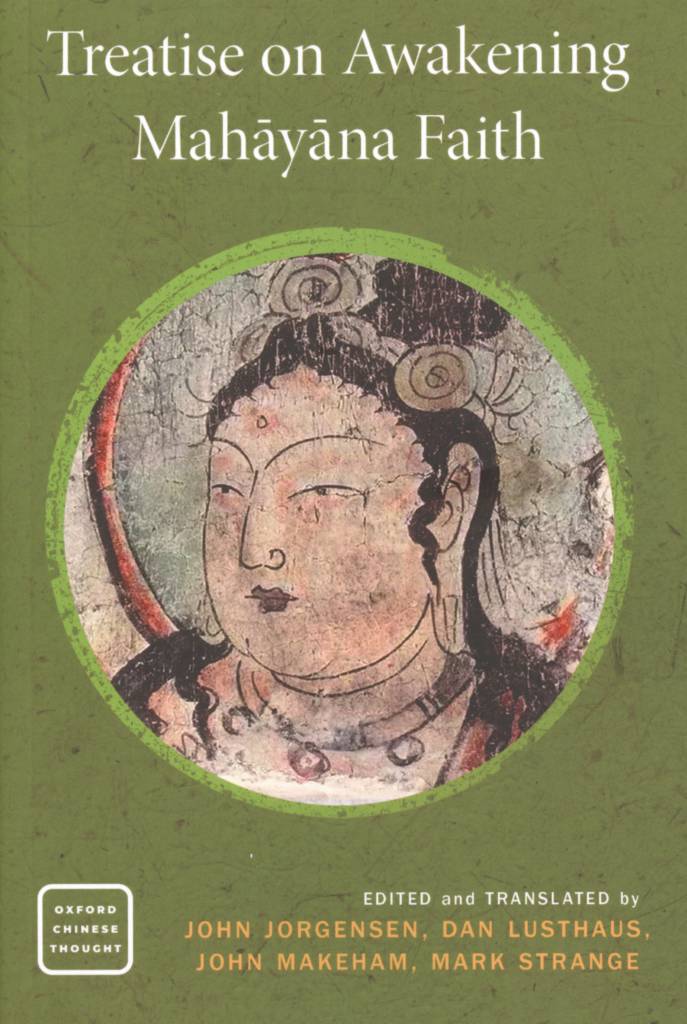
Begin Discovering Your Buddha-Nature: Difference between revisions
From Buddha-Nature
((by SublimeText.Mediawiker)) |
((by SublimeText.Mediawiker)) |
||
| (32 intermediate revisions by the same user not shown) | |||
| Line 1: | Line 1: | ||
__NOTOC__{{HideFirstHeading}} | __NOTOC__{{HideFirstHeading}}{{#widget:BodyNoPadding}} | ||
<div class="text-article tsdwiki-depth-1"> | <div class="text-article tsdwiki-depth-1 offwhite-bg mb-5"> | ||
<h1 class="text-center border-0 position-relative py-lg-5 mt-5 mb-0">{{#widget:DivWithBackImg | <h1 class="text-center border-0 position-relative py-lg-5 mt-5 mb-0">{{#widget:DivWithBackImg | ||
| Line 11: | Line 11: | ||
|imageSource= | |imageSource= | ||
}} | }} | ||
<div class="position-relative my-lg-5 font-italic">Begin Discovering Your Buddha-Nature</div> | <div class="position-relative my-lg-5 font-italic">Begin Discovering Your Buddha-Nature</div> | ||
</h1> | </h1> | ||
| Line 33: | Line 32: | ||
|link=Media/We_Are_Enlightened_by_Nature | |link=Media/We_Are_Enlightened_by_Nature | ||
|header=We Are Enlightened by Nature | |header=We Are Enlightened by Nature | ||
| | |imagefile=Dzigar_Kongtrul_Rinpoche_Mangala_Shri_Bhuti.jpg | ||
|content=Dzigar Kongtrul Rinpoche provides encouragement that we are all enlightened by nature, and the path is a process of discovering that enlightened nature. | |content=Dzigar Kongtrul Rinpoche provides encouragement that we are all enlightened by nature, and the path is a process of discovering that enlightened nature. | ||
|watermark=Video | |watermark=Video | ||
| Line 41: | Line 40: | ||
|link=Media/Discovering_Buddha_Nature:_Talk_by_Yongey_Mingyur_Rinpoche | |link=Media/Discovering_Buddha_Nature:_Talk_by_Yongey_Mingyur_Rinpoche | ||
|header=Discovering Buddha Nature: Talk by Yongey Mingyur Rinpoche | |header=Discovering Buddha Nature: Talk by Yongey Mingyur Rinpoche | ||
| | |imagefile=YMR_LamaYadi_LamaTrinley_KhenpoKunga_0534_FLT-1.jpg | ||
|content=Mingyur Rinpoche describes buddha-nature with the metaphor of a diamond covered in mud, explaining how the innate purity of awareness can be obscured, but never changed. | |content=Mingyur Rinpoche describes buddha-nature with the metaphor of a diamond covered in mud, explaining how the innate purity of awareness can be obscured, but never changed. | ||
|watermark=Video | |watermark=Video | ||
| Line 49: | Line 48: | ||
|link=Media/Dealing_with_Depression:_Interview_with_Jetsunma_Tenzin_Palmo_on_Study_Buddhism | |link=Media/Dealing_with_Depression:_Interview_with_Jetsunma_Tenzin_Palmo_on_Study_Buddhism | ||
|header=Dealing with Depression: Interview with Jetsunma Tenzin Palmo on Study Buddhism | |header=Dealing with Depression: Interview with Jetsunma Tenzin Palmo on Study Buddhism | ||
| | |imagefile=Jetsunma_Tenzin_Palmo.jpg | ||
|content=Jetsunma Tenzin Palmo discusses buddha-nature beautifully for a general audience. | |content=Jetsunma Tenzin Palmo discusses buddha-nature beautifully for a general audience. | ||
|watermark=Video | |watermark=Video | ||
| Line 57: | Line 56: | ||
|link=Media/What_Is_Buddha-Nature?_by_Wulstan_Fletcher | |link=Media/What_Is_Buddha-Nature?_by_Wulstan_Fletcher | ||
|header=What Is Buddha-Nature? by Wulstan Fletcher | |header=What Is Buddha-Nature? by Wulstan Fletcher | ||
| | |imagefile=Fletcher,_Wulstan-2014new.jpg | ||
|content=Wulstan Fletcher explains buddha-nature as the deepest aspect of oneself, a wellspring of goodness and wisdom that is always present. | |content=Wulstan Fletcher explains buddha-nature as the deepest aspect of oneself, a wellspring of goodness and wisdom that is always present. | ||
|watermark=Video | |watermark=Video | ||
| Line 65: | Line 64: | ||
|link=Media/On_How_Beginning_Students_Might_Engage_with_Buddha-Nature_Teachings_by_Ringu_Tulku | |link=Media/On_How_Beginning_Students_Might_Engage_with_Buddha-Nature_Teachings_by_Ringu_Tulku | ||
|header=On How Beginning Students Might Engage with Buddha-Nature Teachings by Ringu Tulku | |header=On How Beginning Students Might Engage with Buddha-Nature Teachings by Ringu Tulku | ||
| | |imagefile=Ringu_Tulku-267x358.jpg | ||
|content=Ringu Tulku talks about how beginning students might start to orient themselves toward buddha-nature teachings in practice. He explains that it is important to recognize that everybody has the seed of wisdom and compassion within them. | |content=Ringu Tulku talks about how beginning students might start to orient themselves toward buddha-nature teachings in practice. He explains that it is important to recognize that everybody has the seed of wisdom and compassion within them. | ||
|watermark=Video | |watermark=Video | ||
| Line 73: | Line 72: | ||
|link=Media/Buddha_Nature:_What_is_it?_How_is_it_different_from_soul?_A_Teaching_from_Zasep_Tulku | |link=Media/Buddha_Nature:_What_is_it?_How_is_it_different_from_soul?_A_Teaching_from_Zasep_Tulku | ||
|header=Buddha Nature: What Is It? How Is It Different from soul? A Teaching from Zasep Tulku | |header=Buddha Nature: What Is It? How Is It Different from soul? A Teaching from Zasep Tulku | ||
| | |imagefile=Zasep_Tulku-Vimeo.jpg | ||
|content="Everyone has Buddha Nature," explains H.E. Zasep Tulku Rinpoche in a "learning from the Teachers" video on the topic from BuddhaWeekly. | |content="Everyone has Buddha Nature," explains H.E. Zasep Tulku Rinpoche in a "learning from the Teachers" video on the topic from BuddhaWeekly. | ||
|watermark=Video | |watermark=Video | ||
| Line 81: | Line 80: | ||
|link=Media/Dzongsar_Jamyang_Khyentse_Rinpoche_Talks_about_Buddha-Nature | |link=Media/Dzongsar_Jamyang_Khyentse_Rinpoche_Talks_about_Buddha-Nature | ||
|header=Dzongsar Jamyang Khyentse Rinpoche Talks about Buddha-Nature | |header=Dzongsar Jamyang Khyentse Rinpoche Talks about Buddha-Nature | ||
| | |imagefile=Khyentse_Dzongsar_Wikipedia.jpg | ||
|content=Dzongsar Jamyang Khyentse Rinpoche talks about buddha-nature and offers a brief guided meditation. | |content=Dzongsar Jamyang Khyentse Rinpoche talks about buddha-nature and offers a brief guided meditation. | ||
|watermark=Video | |watermark=Video | ||
| Line 89: | Line 88: | ||
|link=Media/Matthieu_Ricard:_Is_Buddha-Nature_a_Seed_to_Be_Cultivated_or_Something_that_Must_Be_Revealed? | |link=Media/Matthieu_Ricard:_Is_Buddha-Nature_a_Seed_to_Be_Cultivated_or_Something_that_Must_Be_Revealed? | ||
|header=Matthieu Ricard: Is Buddha-Nature a Seed to Be Cultivated or Something that Must Be Revealed? | |header=Matthieu Ricard: Is Buddha-Nature a Seed to Be Cultivated or Something that Must Be Revealed? | ||
| | |imagefile=Ricard,_M..jpg | ||
|content=In an excerpt from "Conversations on Buddha-Nature" with Lopen Dr. Karma Phuntsho, Matthieu Ricard answers this common question. | |content=In an excerpt from "Conversations on Buddha-Nature" with Lopen Dr. Karma Phuntsho, Matthieu Ricard answers this common question. | ||
|watermark=Video | |watermark=Video | ||
| Line 97: | Line 96: | ||
|link=Media/Karmapa_on_The_Nature_of_All_Beings | |link=Media/Karmapa_on_The_Nature_of_All_Beings | ||
|header=The 17th Karmapa on the Nature of All Beings | |header=The 17th Karmapa on the Nature of All Beings | ||
| | |imagefile=Ogyen_Trinley_Dorje_Portrait-WikiCommons.jpg | ||
|content=H.H. the 17th Karmapa, Ogyen Trinley Dorje, comments on a quote of the 3rd Karmapa, Rangjung Dorje: "The nature of all beings is always Buddha" (འགྲོ་བའི་རང་བཞིན་རྟག་ཏུ་སངས་རྒྱས་). | |content=H.H. the 17th Karmapa, Ogyen Trinley Dorje, comments on a quote of the 3rd Karmapa, Rangjung Dorje: "The nature of all beings is always Buddha" (འགྲོ་བའི་རང་བཞིན་རྟག་ཏུ་སངས་རྒྱས་). | ||
|watermark=Video | |watermark=Video | ||
| Line 105: | Line 104: | ||
|link=Media/The_Fourteenth_Dalai_Lama_on_Buddha-Nature | |link=Media/The_Fourteenth_Dalai_Lama_on_Buddha-Nature | ||
|header=The Fourteenth Dalai Lama on Buddha-Nature | |header=The Fourteenth Dalai Lama on Buddha-Nature | ||
| | |imagefile=Dalai-lama-crop.jpg | ||
|content=The Dalai Lama delivers an address entitled "Buddha-Nature" to members of the Theosophical Society in America on July 21st, 1981. His comments on buddha-nature come after a series of preliminary remarks, at 14 min, 23 secs. | |content=The Dalai Lama delivers an address entitled "Buddha-Nature" to members of the Theosophical Society in America on July 21st, 1981. His comments on buddha-nature come after a series of preliminary remarks, at 14 min, 23 secs. | ||
|watermark=Video | |watermark=Video | ||
| Line 113: | Line 112: | ||
<div class="vienna-gradient pt-5 pb-4"> | <div class="vienna-gradient pt-5 pb-4"> | ||
<div class="h4 position-relative pl-4 | <div class="h4 position-relative pl-4">Articles</div> | ||
<div class="row m-0 px-lg-5 py-4"> | <div class="row m-0 px-lg-5 py-4"> | ||
| Line 120: | Line 119: | ||
|link=Articles/On_Buddhanature—and_What_It_Is_Not | |link=Articles/On_Buddhanature—and_What_It_Is_Not | ||
|header=On Buddhanature—and What It Is Not, by Khandro Rinpoche | |header=On Buddhanature—and What It Is Not, by Khandro Rinpoche | ||
| | |imagefile=Khandro_Rinpoche_RigpaWiki.jpg | ||
|content="Buddhism must always be seen as a skillful means for realizing the most basic aspect of human life: one's inherent buddhanature." | |content="Buddhism must always be seen as a skillful means for realizing the most basic aspect of human life: one's inherent buddhanature." | ||
|watermark=Article | |watermark=Article | ||
| Line 128: | Line 127: | ||
|link=Articles/Emptiness–Buddhanature | |link=Articles/Emptiness–Buddhanature | ||
|header=Emptiness–Buddhanature, by Traleg Kyabgon | |header=Emptiness–Buddhanature, by Traleg Kyabgon | ||
| | |imagefile=Traleg-Rinpoche_LionsRoar.jpg | ||
|content="Our true nature is buddhanature and that buddhanature is the nature of all sentient beings." | |content="Our true nature is buddhanature and that buddhanature is the nature of all sentient beings." | ||
|watermark=Article | |watermark=Article | ||
| Line 136: | Line 135: | ||
|link=Articles/Lasting_Happiness | |link=Articles/Lasting_Happiness | ||
|header=Lasting Happiness, by Yongey Mingyur Rinpoche | |header=Lasting Happiness, by Yongey Mingyur Rinpoche | ||
| | |imagefile=YMR_LamaYadi_LamaTrinley_KhenpoKunga_0534_FLT-1.jpg | ||
|content="... We don’t have to look outside the present moment to experience wisdom, compassion, and the boundless purity of our true nature." | |content="... We don’t have to look outside the present moment to experience wisdom, compassion, and the boundless purity of our true nature." | ||
|watermark=Article | |watermark=Article | ||
| Line 144: | Line 143: | ||
|link=Articles/This_Is_My_Mind,_Luminous_and_Empty | |link=Articles/This_Is_My_Mind,_Luminous_and_Empty | ||
|header=This Is My Mind, Luminous and Empty, by Tsoknyi Rinpoche | |header=This Is My Mind, Luminous and Empty, by Tsoknyi Rinpoche | ||
| | |imagefile=Tsoknyi_TsoknyiRinpocheWebsite.jpg | ||
|content="That something, when I was old enough to fit words to it, is a kind of spark that lights the lives of all living beings.... In many Buddhist teachings, it’s known as buddhanature." | |content="That something, when I was old enough to fit words to it, is a kind of spark that lights the lives of all living beings.... In many Buddhist teachings, it’s known as buddhanature." | ||
|watermark=Article | |watermark=Article | ||
| Line 152: | Line 151: | ||
|link=Articles/Spotless_from_the_Start | |link=Articles/Spotless_from_the_Start | ||
|header=Spotless from the Start | |header=Spotless from the Start | ||
| | |imagefile=Khyentse_Dzongsar_Wikipedia.jpg | ||
|content="In order to overcome the five main obstacles facing a bodhisattva," says Dzongsar Khyentse Rinpoche, "we must realize that all beings are primordially pure." | |content="In order to overcome the five main obstacles facing a bodhisattva," says Dzongsar Khyentse Rinpoche, "we must realize that all beings are primordially pure." | ||
|watermark=Article | |watermark=Article | ||
| Line 160: | Line 159: | ||
|link=Articles/The_Sky_Dragon's_Profound_Roar | |link=Articles/The_Sky_Dragon's_Profound_Roar | ||
|header=The Sky Dragon's Profound Roar, by Khenpo Tsultrim Gyamtso | |header=The Sky Dragon's Profound Roar, by Khenpo Tsultrim Gyamtso | ||
| | |imagefile=Khen_Tsultrim.jpg | ||
|content="We practice the genuine dharma because it is a method for clearing away the temporary stains that obscure our vision of the true nature of mind." | |content="We practice the genuine dharma because it is a method for clearing away the temporary stains that obscure our vision of the true nature of mind." | ||
|watermark=Article | |watermark=Article | ||
| Line 166: | Line 165: | ||
</div> | </div> | ||
<div class="position-relative pl-4 | <div class="h4 position-relative pl-4">Books</div> | ||
<div class="d-flex justify-content-center flex-wrap py-4"> | <div class="d-flex justify-content-center flex-wrap py-4"> | ||
| Line 222: | Line 221: | ||
<div class="position-relative bg-sky-clouds"> | <div class="position-relative bg-sky-clouds"> | ||
<div class="position-relative | <div class="h2 position-relative pt-4 mb-4 pl-4 pb-2 border-bottom-rightfade">Buddha-Nature in East Asia</div> | ||
<div class="position-relative pl-4 | <div class="h4 position-relative pl-4">Multimedia</div> | ||
<div class="row m-0 px-lg-5 py-4"> | <div class="row m-0 px-lg-5 py-4"> | ||
| Line 231: | Line 230: | ||
|link=Media/Buddha-Nature_—_Episode_22_of_True_Words:_A_Shingon_Buddhist_Podcast | |link=Media/Buddha-Nature_—_Episode_22_of_True_Words:_A_Shingon_Buddhist_Podcast | ||
|header=Buddha-Nature by Rev. George Kosho Finch | |header=Buddha-Nature by Rev. George Kosho Finch | ||
| | |imagefile=Finch_Rev._George_Kosho_patheos.jpg | ||
|content=This week's topic is Buddha Nature, in Sanskrit: ''tathāgatagarbha'' (如来藏). All sentient beings are considered to be in possession of the Buddha Nature, the potential to attain enlightenment. | |content=This week's topic is Buddha Nature, in Sanskrit: ''tathāgatagarbha'' (如来藏). All sentient beings are considered to be in possession of the Buddha Nature, the potential to attain enlightenment. | ||
|watermark=Audio | |watermark=Audio | ||
| Line 239: | Line 238: | ||
|link=Media/It_Is_Your_Buddha_Nature_That_Sees,_Hears_and_Speaks!―Dharma_Talk_by_Daehaeng_Kun_Sunim | |link=Media/It_Is_Your_Buddha_Nature_That_Sees,_Hears_and_Speaks!―Dharma_Talk_by_Daehaeng_Kun_Sunim | ||
|header=It Is Your Buddha-Nature That Sees, Hears, and Speaks! | |header=It Is Your Buddha-Nature That Sees, Hears, and Speaks! | ||
| | |imagefile=Daehaeng_Wikipedia.jpg | ||
|content=Daehaeng Kun Sunim, a Seon (Zen) master and Buddhist nun from Korea, responds to questions about the concept of ''Juingong'' (the underlying mind) from an audience member. | |content=Daehaeng Kun Sunim, a Seon (Zen) master and Buddhist nun from Korea, responds to questions about the concept of ''Juingong'' (the underlying mind) from an audience member. | ||
|watermark=Video | |watermark=Video | ||
| Line 247: | Line 246: | ||
|link=Media/Trusting_in_Our_Own_Buddha_Nature | |link=Media/Trusting_in_Our_Own_Buddha_Nature | ||
|header=Trusting in Our Own Buddha-Nature | |header=Trusting in Our Own Buddha-Nature | ||
| | |imagefile=Sattizahn_Ed_SFZC.jpg | ||
|content=Rinso Ed Sattizahn gives a dharma talk at San Francisco Zen Center's City Center on the topic of buddha-nature. He touches on selections from Dōgen's ''Genjōkōan'' to illustrate this Buddhist teaching. | |content=Rinso Ed Sattizahn gives a dharma talk at San Francisco Zen Center's City Center on the topic of buddha-nature. He touches on selections from Dōgen's ''Genjōkōan'' to illustrate this Buddhist teaching. | ||
|watermark=Audio | |watermark=Audio | ||
| Line 255: | Line 254: | ||
|link=Media/One's_True_Mind_and_Inherent_Nature_by_Sheng_Yen | |link=Media/One's_True_Mind_and_Inherent_Nature_by_Sheng_Yen | ||
|header=One's True Mind and Inherent Nature by Sheng Yen | |header=One's True Mind and Inherent Nature by Sheng Yen | ||
| | |imagefile=ShengYen_Tricycle.jpeg | ||
|content=Our true mind is the pure mind of wisdom free of defilements. Our inherent nature refers to the nature of our being something common, which is also called the buddha-nature. | |content=Our true mind is the pure mind of wisdom free of defilements. Our inherent nature refers to the nature of our being something common, which is also called the buddha-nature. | ||
|watermark=Video | |watermark=Video | ||
| Line 263: | Line 262: | ||
|link=Articles/Kokyo_Henkel_on_Buddha-Nature | |link=Articles/Kokyo_Henkel_on_Buddha-Nature | ||
|header=The Cloudless Sky of Buddha-Nature | |header=The Cloudless Sky of Buddha-Nature | ||
| | |imagefile=Henkel_Kokyo_personal_website.jpg | ||
|content=Rev. Kokyo Henkel teaches on "The Cloudless Sky of Buddha Nature" at the San Francisco Zen Center on September 6, 2011. | |content=Rev. Kokyo Henkel teaches on "The Cloudless Sky of Buddha Nature" at the San Francisco Zen Center on September 6, 2011. | ||
|watermark=Audio | |watermark=Audio | ||
| Line 271: | Line 270: | ||
<div class="vienna-gradient pt-5 pb-4"> | <div class="vienna-gradient pt-5 pb-4"> | ||
<div class="position-relative pl-4 | <div class="h4 position-relative pl-4">Articles</div> | ||
<div class="row m-0 px-lg-5 py-4"> | <div class="row m-0 px-lg-5 py-4"> | ||
| Line 278: | Line 277: | ||
|link=Articles/Mind_Is_Buddha | |link=Articles/Mind_Is_Buddha | ||
|header=Mind Is Buddha | |header=Mind Is Buddha | ||
| | |imagefile=Arnold_Geoffrey_Shugen_Wikipedia.jpg | ||
|content=Geoffery Shugen Arnold, Sensei, on Case 30 of the Gateless Gate, “Mazu’s ‘Mind is buddha.'” | |content=Geoffery Shugen Arnold, Sensei, on Case 30 of the Gateless Gate, “Mazu’s ‘Mind is buddha.'” | ||
|watermark=Article | |watermark=Article | ||
| Line 286: | Line 285: | ||
|link=Articles/Everything_Is_Buddhanature | |link=Articles/Everything_Is_Buddhanature | ||
|header=Everything Is Buddhanature | |header=Everything Is Buddhanature | ||
| | |imagefile=Blacker_Melissa_Personal_Website.jpg | ||
|content=Original sin vs. original goodness: Mahayana Buddhism offers a more hopeful view of human nature. | |content=Original sin vs. original goodness: Mahayana Buddhism offers a more hopeful view of human nature. | ||
|watermark=Article | |watermark=Article | ||
| Line 294: | Line 293: | ||
|link=Articles/Trust_Practice,_Practice_Trust | |link=Articles/Trust_Practice,_Practice_Trust | ||
|header=Trust Practice, Practice Trust | |header=Trust Practice, Practice Trust | ||
| | |imagefile=Chayat_Sherry_zen_studies_society.jpg | ||
|content=When we truly give ourselves over to practice, explains Roko Sherry Chayat, we let go of our dependence on outcomes and begin to trust just being what we are, buddhanature, revealed right here, right now, in this very body and place. | |content=When we truly give ourselves over to practice, explains Roko Sherry Chayat, we let go of our dependence on outcomes and begin to trust just being what we are, buddhanature, revealed right here, right now, in this very body and place. | ||
|watermark=Article | |watermark=Article | ||
| Line 302: | Line 301: | ||
|link=Articles/Impermanence_is_Buddha_Nature | |link=Articles/Impermanence_is_Buddha_Nature | ||
|header=Impermanence Is Buddha Nature | |header=Impermanence Is Buddha Nature | ||
| | |imagefile=Fischer_norman.jpg | ||
|content=Change isn’t just a fact of life we have to accept and work with, says Norman Fischer. Practitioners have always understood impermanence as the cornerstone of Buddhist teachings and practice. | |content=Change isn’t just a fact of life we have to accept and work with, says Norman Fischer. Practitioners have always understood impermanence as the cornerstone of Buddhist teachings and practice. | ||
|watermark=Article | |watermark=Article | ||
| Line 310: | Line 309: | ||
|link=Articles/On_the_Awakening_of_Faith_in_the_Mahāyāna | |link=Articles/On_the_Awakening_of_Faith_in_the_Mahāyāna | ||
|header=On the ''Awakening of Faith in the Mahāyāna'' | |header=On the ''Awakening of Faith in the Mahāyāna'' | ||
| | |imagefile=Alexander_Gardner.jpg | ||
|content=An introduction to the ''Awakening of Faith'', an immensely important treatise popular in all traditions of Buddhism in East Asia. | |content=An introduction to the ''Awakening of Faith'', an immensely important treatise popular in all traditions of Buddhism in East Asia. | ||
|watermark=Article | |watermark=Article | ||
| Line 318: | Line 317: | ||
|link=Articles/The_Path_of_Gratitude | |link=Articles/The_Path_of_Gratitude | ||
|header=The Path of Gratitude | |header=The Path of Gratitude | ||
| | |imagefile=Jeff_wilson_dailybuddhism.jpg | ||
|content=In Shin Buddhism, we don’t practice to achieve anything—not enlightenment, good karma, a favorable rebirth, or material rewards. We practice simply to give thanks for what we have received. | |content=In Shin Buddhism, we don’t practice to achieve anything—not enlightenment, good karma, a favorable rebirth, or material rewards. We practice simply to give thanks for what we have received. | ||
|watermark=Article | |watermark=Article | ||
| Line 324: | Line 323: | ||
</div> | </div> | ||
<div class="position-relative pl-4 | <div class="h4 position-relative pl-4">Books</div> | ||
<div class="d-flex justify-content-center flex-wrap py-4"> | <div class="d-flex justify-content-center flex-wrap py-4"> | ||
| Line 354: | Line 353: | ||
{{FeaturedItem | {{FeaturedItem | ||
|page=Primary_Sources | |page=Primary_Sources | ||
|description=<div class=" | |description=<div class="h2 mt-2 mb-4 pl-4 border-bottom-rightfade">Study the Sources</div> | ||
<div class="pr-lg-5 pl-4">The seeds of buddha-nature teachings are sprinkled throughout the sutras and tantras of the Buddhist canon. A core group of scripture that initially taught buddha-nature known as the tathāgatagarbha sūtras date between the second and fourth centuries. These include the ''Tathāgatagarbhasūtra'', the ''Mahāparinirvāṇasūtra'', the ''Śrīmālādevīsūtra'' and several others. The famous ''Laṅkāvatārasūtra'' was also important for buddha-nature theory. In Tibetan Buddhism the late-Indian treatise ''Ratnagotravibhāga Mahāyānottaratantraśāstra'', or ''Gyü Lama'' as it is known in the Tibetan, serves as a major source for buddha-nature. In East Asia the ''Awakening of Faith in the Mahāyāna'' (大乗起信論) and the ''Vajrasamādhisūtra'' were the most influential treatises in spreading buddha-nature theory. And in Japan, the Zen master Dōgen (1200–1253), whose instructional lectures were collected in his ''Shōbōgenzo'', also wrote extensively on the topic of buddha-nature. All of these important buddha-nature texts have been translated into English by leading scholars and translators. Below is a selection of these works:</div> | <div class="pr-lg-5 pl-4">The seeds of buddha-nature teachings are sprinkled throughout the sutras and tantras of the Buddhist canon. A core group of scripture that initially taught buddha-nature known as the tathāgatagarbha sūtras date between the second and fourth centuries. These include the ''Tathāgatagarbhasūtra'', the ''Mahāparinirvāṇasūtra'', the ''Śrīmālādevīsūtra'' and several others. The famous ''Laṅkāvatārasūtra'' was also important for buddha-nature theory. In Tibetan Buddhism the late-Indian treatise ''Ratnagotravibhāga Mahāyānottaratantraśāstra'', or ''Gyü Lama'' as it is known in the Tibetan, serves as a major source for buddha-nature. In East Asia the ''Awakening of Faith in the Mahāyāna'' (大乗起信論) and the ''Vajrasamādhisūtra'' were the most influential treatises in spreading buddha-nature theory. And in Japan, the Zen master Dōgen (1200–1253), whose instructional lectures were collected in his ''Shōbōgenzo'', also wrote extensively on the topic of buddha-nature. All of these important buddha-nature texts have been translated into English by leading scholars and translators. Below is a selection of these works:</div> | ||
|image= | |image={{filepath:Maitreya_statue.jpg}} | ||
|textclasses=maitreya-gradient pt-2 pb-3 | |textclasses=maitreya-gradient pt-2 pb-3 | ||
|imageposition=right | |imageposition=right | ||
| Line 363: | Line 362: | ||
}} | }} | ||
<div class=" | <div class="h2 position-relative pt-4 mb-4 pl-4 pb-2 border-bottom-rightfade">Buddha-Nature in Translation</div> | ||
<div class="d-flex justify-content-center flex-wrap py-4"> | <div class="d-flex justify-content-center flex-wrap py-4"> | ||
| Line 428: | Line 427: | ||
</div> | </div> | ||
<div class=" | <div class="h2 position-relative pt-4 mb-4 pl-4 pb-2 border-bottom-rightfade">More Scholarship on Buddha-Nature</div> | ||
{{FeaturedItem | {{FeaturedItem | ||
| Line 434: | Line 433: | ||
|title=Karl Brunnhölzl's Buddha-Nature Interview | |title=Karl Brunnhölzl's Buddha-Nature Interview | ||
|description=In an interview with the Tsadra Foundation, Karl Brunnhölzl discusses why one might study buddha-nature, the purpose of the buddha-nature teachings, and the concept of the innate luminosity of mind. | |description=In an interview with the Tsadra Foundation, Karl Brunnhölzl discusses why one might study buddha-nature, the purpose of the buddha-nature teachings, and the concept of the innate luminosity of mind. | ||
|image= | |image={{filepath:Brunnholzl_Karl_Mitra-Karl.jpg}} | ||
|textclasses=karl-gradient pl-1 pt-2 pb-3 | |textclasses=karl-gradient pl-1 pt-2 pb-3 | ||
|additionalcontent=<div class="py-3 mb-3 d-flex justify-content-center flex-wrap row"> | |additionalcontent=<div class="py-3 mb-3 d-flex justify-content-center flex-wrap row"> | ||
| Line 477: | Line 476: | ||
{{RelatedButton | {{RelatedButton | ||
|link=/index.php/Articles/On_the_Ratnagotravibhāga | |link=/index.php/Articles/On_the_Ratnagotravibhāga | ||
| | |imagefile=Alexander_Gardner.jpg | ||
|text=On the Ratnagotravibhāga | |text=On the Ratnagotravibhāga | ||
|label-right=Article | |label-right=Article | ||
| Line 486: | Line 485: | ||
{{RelatedButton | {{RelatedButton | ||
|link=/index.php/Articles/A_History_of_Buddha-Nature_Theory:_The_Literature_and_Traditions | |link=/index.php/Articles/A_History_of_Buddha-Nature_Theory:_The_Literature_and_Traditions | ||
| | |imagefile=Alexander_Gardner.jpg | ||
|text=A History of Buddha-Nature Theory: The Literature and Traditions | |text=A History of Buddha-Nature Theory: The Literature and Traditions | ||
|label-right=Article | |label-right=Article | ||
| Line 493: | Line 492: | ||
}} | }} | ||
</div> | </div> | ||
|image= | |image={{filepath:Gardner_Alex_Kitchen.jpg}} | ||
|imageposition=right | |imageposition=right | ||
|textclasses=alex-gradient pt-3 pb-2 | |textclasses=alex-gradient pt-3 pb-2 | ||
| Line 505: | Line 504: | ||
{{RelatedButton | {{RelatedButton | ||
|link=https://buddhanature.tsadra.org/index.php/Topic_of_the_week | |link=https://buddhanature.tsadra.org/index.php/Topic_of_the_week | ||
| | |imagefile=Phuntsho,_Karma-OFFICIAL.jpg | ||
|text=Topic of the Week | |text=Topic of the Week | ||
|label-right=Blog | |label-right=Blog | ||
| Line 514: | Line 513: | ||
{{RelatedButton | {{RelatedButton | ||
|link=https://buddhanature.tsadra.org/index.php/Ask_the_writer-in-residence | |link=https://buddhanature.tsadra.org/index.php/Ask_the_writer-in-residence | ||
| | |imagefile=Phuntsho,_Karma-OFFICIAL.jpg | ||
|text=Ask the Writer-in-Residence | |text=Ask the Writer-in-Residence | ||
|label-right=Q & A | |label-right=Q & A | ||
| Line 522: | Line 521: | ||
{{RelatedButton | {{RelatedButton | ||
|link=https://buddhanature.tsadra.org/index.php/Conversations_on_Buddha-Nature | |link=https://buddhanature.tsadra.org/index.php/Conversations_on_Buddha-Nature | ||
| | |imagefile=Phuntsho,_Karma-OFFICIAL.jpg | ||
|text=Conversations on Buddha-Nature | |text=Conversations on Buddha-Nature | ||
|label-right=Video Series | |label-right=Video Series | ||
| Line 529: | Line 528: | ||
}} | }} | ||
</div> | </div> | ||
|image= | |image={{filepath:Tricycle_Bhutan-Karma-Phuntsho.jpg|600}} | ||
|imageposition=left | |imageposition=left | ||
|imagelink=https://tricycle.org/magazine/bhutan-on-the-brink/ | |imagelink=https://tricycle.org/magazine/bhutan-on-the-brink/ | ||
| Line 539: | Line 538: | ||
<div class="position-absolute h-100 w-100 opac-50 bg-light"></div> | <div class="position-absolute h-100 w-100 opac-50 bg-light"></div> | ||
<div class="position-relative | <div class="h2 position-relative pt-5 mb-4 pl-4 pb-2 border-bottom-rightfade">Discover More Resources</div> | ||
<div class="row m-0 px-lg-5 pt-0 pb-5"> | <div class="row m-0 px-lg-5 pt-0 pb-5"> | ||
| Line 545: | Line 544: | ||
|classes= mw-customtoggle-literaturetile col-sm-6 col-lg-4 offset-lg-2 | |classes= mw-customtoggle-literaturetile col-sm-6 col-lg-4 offset-lg-2 | ||
|header=The Literature | |header=The Literature | ||
| | |imagefile=Sutra.jpg | ||
|content=Texts and multilingual resources | |content=Texts and multilingual resources | ||
|left-bottom-label=expand | |left-bottom-label=expand | ||
| Line 551: | Line 550: | ||
<div class="row mw-collapsible mw-collapsed pb-4" id="mw-customcollapsible-literaturetile"> | <div class="row mw-collapsible mw-collapsed pb-4" id="mw-customcollapsible-literaturetile"> | ||
{{MiniTileCustom | {{MiniTileCustom | ||
| | |imagefile=Articles.jpeg | ||
|link=Secondary_Sources | |link=Secondary_Sources | ||
|text=The Bibliography | |text=The Bibliography | ||
}} | }} | ||
{{MiniTileCustom | {{MiniTileCustom | ||
| | |imagefile=Buddha.jpg | ||
|link=Primary_Sources | |link=Primary_Sources | ||
|text=The Source Texts | |text=The Source Texts | ||
}} | }} | ||
{{MiniTileCustom | {{MiniTileCustom | ||
| | |imagefile=Screen_Shot_2018-06-20_at_3.54.38_PM.png | ||
|link=Texts/Ratnagotravibhāga_Mahāyānottaratantraśāstra | |link=Texts/Ratnagotravibhāga_Mahāyānottaratantraśāstra | ||
|text=The Ratnagotravibhāga | |text=The Ratnagotravibhāga | ||
}} | }} | ||
{{MiniTileCustom | {{MiniTileCustom | ||
| | |imagefile=Sutra_alt.jpeg | ||
|link=Texts/Ratnagotravibhāga_Mahāyānottaratantraśāstra/Root_Verses | |link=Texts/Ratnagotravibhāga_Mahāyānottaratantraśāstra/Root_Verses | ||
|text=The Multilingual Root Verses | |text=The Multilingual Root Verses | ||
| Line 575: | Line 574: | ||
|classes= mw-customtoggle-librarytile col-sm-6 col-lg-4 | |classes= mw-customtoggle-librarytile col-sm-6 col-lg-4 | ||
|header=The Library | |header=The Library | ||
| | |imagefile=Library-unsplash.jpg | ||
|content=A curated space for publications on buddha-nature | |content=A curated space for publications on buddha-nature | ||
|left-bottom-label=expand | |left-bottom-label=expand | ||
| Line 582: | Line 581: | ||
{{MiniTileCustom | {{MiniTileCustom | ||
|link=Library | |link=Library | ||
| | |imagefile=Library-unsplash.jpg | ||
|text=The Complete Library | |text=The Complete Library | ||
}} | }} | ||
{{MiniTileCustom | {{MiniTileCustom | ||
|link=Library/Books | |link=Library/Books | ||
| | |imagefile=Books.jpg | ||
|text=Books | |text=Books | ||
|wrapperclasses=col-6 pr-1 | |wrapperclasses=col-6 pr-1 | ||
| Line 593: | Line 592: | ||
{{MiniTileCustom | {{MiniTileCustom | ||
|link=Library/Dissertations | |link=Library/Dissertations | ||
| | |imagefile=Dissertations.jpeg | ||
|text=Dissertations | |text=Dissertations | ||
|wrapperclasses=col-6 pl-1 | |wrapperclasses=col-6 pl-1 | ||
| Line 599: | Line 598: | ||
{{MiniTileCustom | {{MiniTileCustom | ||
|link=Library/Articles | |link=Library/Articles | ||
| | |imagefile=Articles.jpeg | ||
|text=Articles | |text=Articles | ||
|wrapperclasses=col-6 pr-1 | |wrapperclasses=col-6 pr-1 | ||
| Line 605: | Line 604: | ||
{{MiniTileCustom | {{MiniTileCustom | ||
|link=Library/Interviews | |link=Library/Interviews | ||
| | |imagefile=Mic.jpg | ||
|text=Interviews | |text=Interviews | ||
|wrapperclasses=col-6 pl-1 | |wrapperclasses=col-6 pl-1 | ||
| Line 611: | Line 610: | ||
{{MiniTileCustom | {{MiniTileCustom | ||
|link=Library/Sutras | |link=Library/Sutras | ||
| | |imagefile=Sutra_alt.jpeg | ||
|text=Sutras | |text=Sutras | ||
|wrapperclasses=col-6 pr-1 | |wrapperclasses=col-6 pr-1 | ||
| Line 617: | Line 616: | ||
{{MiniTileCustom | {{MiniTileCustom | ||
|link=Library/Commentaries | |link=Library/Commentaries | ||
| | |imagefile=Pecha1.jpg | ||
|text=Commentaries | |text=Commentaries | ||
|wrapperclasses=col-6 pl-1 | |wrapperclasses=col-6 pl-1 | ||
| Line 623: | Line 622: | ||
{{MiniTileCustom | {{MiniTileCustom | ||
|link=Library/People | |link=Library/People | ||
| | |imagefile=Asanga_and_Maitreya.jpg | ||
|text=People | |text=People | ||
|wrapperclasses=col-6 pr-1 | |wrapperclasses=col-6 pr-1 | ||
| Line 629: | Line 628: | ||
{{MiniTileCustom | {{MiniTileCustom | ||
|link=Library/Multimedia | |link=Library/Multimedia | ||
| | |imagefile=Media.jpeg | ||
|text=Multimedia | |text=Multimedia | ||
|wrapperclasses=col-6 pl-1 | |wrapperclasses=col-6 pl-1 | ||
| Line 635: | Line 634: | ||
{{MiniTileCustom | {{MiniTileCustom | ||
|link=Glossary | |link=Glossary | ||
| | |imagefile=Search-reduced.jpg | ||
|text=Terms Glossary | |text=Terms Glossary | ||
}} | }} | ||
{{MiniTileCustom | {{MiniTileCustom | ||
|link=Secondary_Sources | |link=Secondary_Sources | ||
| | |imagefile=Articles.jpeg | ||
|text=The Bibliography | |text=The Bibliography | ||
}} | }} | ||
| Line 648: | Line 647: | ||
</div> | </div> | ||
<div class=" | <div class="h2 pt-5 mb-4 pl-4 pb-2 border-bottom-rightfade">More on Buddha-Nature</div> | ||
<div class="row mx-3"> | <div class="row mx-3 pb-4"> | ||
<div class="col-lg-6 pr-0"> | <div class="col-lg-6 pr-0"> | ||
<div class="home-tile link-no-border pop- | <div class="tsdwiki-home-tile link-no-border tsdwiki-pop-off rounded over-hidden m-0"> | ||
<div class="row m-0" style="height: 100%;"> | <div class="row m-0" style="height: 100%;"> | ||
<div class="col-4 p-0 pecha-back-reduced-color"></div> | <div class="col-4 p-0 pecha-back-reduced-color"></div> | ||
<div class="col-8 px-4 pt-2" style="padding-bottom: 4rem;"> | <div class="col-8 px-4 pt-2" style="padding-bottom: 4rem;"> | ||
<div class="home-tile-heading border-0">Explore</div> | <div class="tsdwiki-home-tile-heading border-0">Explore</div> | ||
<div class="home-tile-text">Read and watch academic presentations, interviews, books, and articles.</div> | <div class="home-tile-text">Read and watch academic presentations, interviews, books, and articles.</div> | ||
<div class="bottom-label" style="right: 1.5rem; bottom: 1rem;">Go deeper</div> | <div class="bottom-label" style="right: 1.5rem; bottom: 1rem;">Go deeper</div> | ||
| Line 671: | Line 670: | ||
{{RelatedButton | {{RelatedButton | ||
|link=/index.php/Ask_the_writer-in-residence | |link=/index.php/Ask_the_writer-in-residence | ||
| | |imagefile=Library-unsplash.jpg | ||
|text=Ask the writer-in-residence | |text=Ask the writer-in-residence | ||
|label=Questions Answered | |label=Questions Answered | ||
| Line 679: | Line 678: | ||
{{RelatedButton | {{RelatedButton | ||
|link=/index.php/Texts/Ratnagotravibhāga_Mahāyānottaratantraśāstra | |link=/index.php/Texts/Ratnagotravibhāga_Mahāyānottaratantraśāstra | ||
| | |imagefile=Screen_Shot_2018-06-20_at_3.54.38_PM.png | ||
|text=The Ratnagotravibhāga | |text=The Ratnagotravibhāga | ||
|textclasses=text-90 | |textclasses=text-90 | ||
| Line 688: | Line 687: | ||
{{RelatedButton | {{RelatedButton | ||
|link=/index.php/Events | |link=/index.php/Events | ||
| | |imagefile=Vienna-Symposium-Banner-for-Workshops-Meetings-Tsadra-website.jpg | ||
|text=Events | |text=Events | ||
|label=Watch & Listen | |label=Watch & Listen | ||
| Line 696: | Line 695: | ||
{{RelatedButton | {{RelatedButton | ||
|link=/index.php/Topic_of_the_week | |link=/index.php/Topic_of_the_week | ||
| | |imagefile=Mic.jpg | ||
|text=Topic of the week | |text=Topic of the week | ||
|label=Read, Watch & Listen | |label=Read, Watch & Listen | ||
| Line 704: | Line 703: | ||
</div> | </div> | ||
</div> | </div> | ||
</div> | </div> | ||
Latest revision as of 07:30, 8 July 2025
Begin Discovering Your Buddha-Nature
Discover how buddha-nature is articulated in various Buddhist traditions by exploring multimedia, articles, books, and translations of primary sources from leading Buddhist teachers and academics. This page brings together a collection of curated resources designed to make the concept of buddha-nature understandable and accessible to a general audience.
Buddha-Nature in Tibet
Multimedia
On How Beginning Students Might Engage with Buddha-Nature Teachings by Ringu Tulku
Ringu Tulku talks about how beginning students might start to orient themselves toward buddha-nature teachings in practice. He explains that it is important to recognize that everybody has the seed of wisdom and compassion within them.
Articles
Spotless from the Start
"In order to overcome the five main obstacles facing a bodhisattva," says Dzongsar Khyentse Rinpoche, "we must realize that all beings are primordially pure."
Books


Buddha-Nature in East Asia
Multimedia
Buddha-Nature by Rev. George Kosho Finch
This week's topic is Buddha Nature, in Sanskrit: tathāgatagarbha (如来藏). All sentient beings are considered to be in possession of the Buddha Nature, the potential to attain enlightenment.
One's True Mind and Inherent Nature by Sheng Yen
Our true mind is the pure mind of wisdom free of defilements. Our inherent nature refers to the nature of our being something common, which is also called the buddha-nature.
Articles
On the Awakening of Faith in the Mahāyāna
An introduction to the Awakening of Faith, an immensely important treatise popular in all traditions of Buddhism in East Asia.
Books

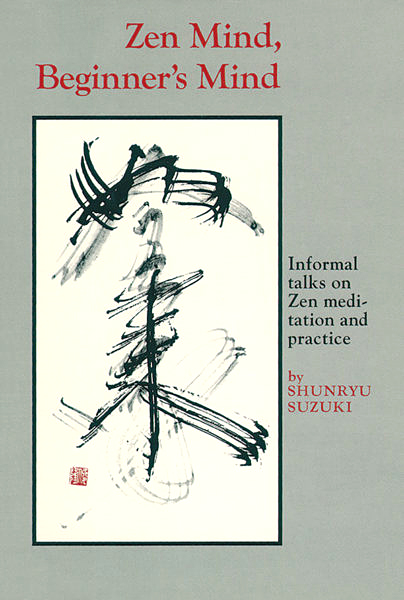

Study the Sources
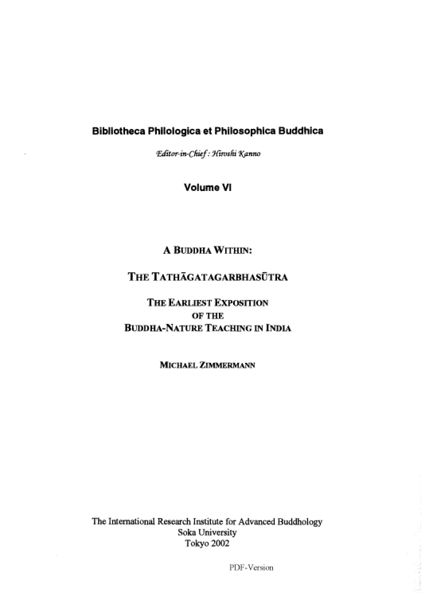
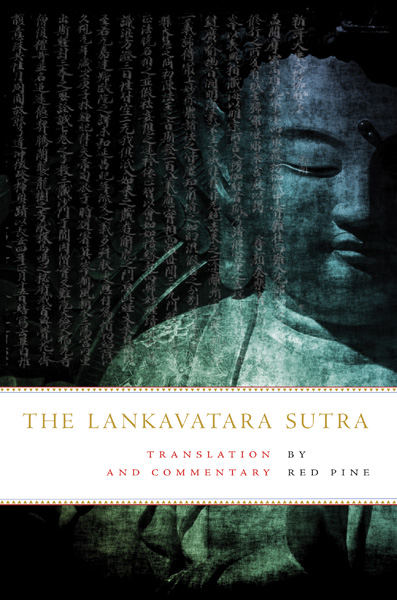
The seeds of buddha-nature teachings are sprinkled throughout the sutras and tantras of the Buddhist canon. A core group of scripture that initially taught buddha-nature known as the tathāgatagarbha sūtras date between the second and fourth centuries. These include the Tathāgatagarbhasūtra, the Mahāparinirvāṇasūtra, the Śrīmālādevīsūtra and several others. The famous Laṅkāvatārasūtra was also important for buddha-nature theory. In Tibetan Buddhism the late-Indian treatise Ratnagotravibhāga Mahāyānottaratantraśāstra, or Gyü Lama as it is known in the Tibetan, serves as a major source for buddha-nature. In East Asia the Awakening of Faith in the Mahāyāna (大乗起信論) and the Vajrasamādhisūtra were the most influential treatises in spreading buddha-nature theory. And in Japan, the Zen master Dōgen (1200–1253), whose instructional lectures were collected in his Shōbōgenzo, also wrote extensively on the topic of buddha-nature. All of these important buddha-nature texts have been translated into English by leading scholars and translators. Below is a selection of these works:
Buddha-Nature in Translation






More Scholarship on Buddha-Nature
In an interview with the Tsadra Foundation, Karl Brunnhölzl discusses why one might study buddha-nature, the purpose of the buddha-nature teachings, and the concept of the innate luminosity of mind.

Alex Gardner served as the writer-in-residence for Tsadra Foundation's Buddha-Nature Project from 2017-2019. Read his introductory articles on the Ratnagotravibhāga and the history of buddha-nature theory.
Lopen (Dr) Karma Phuntsho is one of Bhutan’s leading intellectuals. He has finished monastic training in Bhutan and India before he pursued a M.St in Classical Indian Religions, and D.Phil in Oriental Studies at Balliol College, Oxford. Read his weekly blog on topics related to Buddhism and buddha-nature, visit his "Ask the Writer-in-Residence" page to get answers to your questions, or watch the ongoing video series "Conversations on Buddha-Nature."
Discover More Resources
The Literature
Texts and multilingual resources
expand
More on Buddha-Nature