|
|
| Line 12: |
Line 12: |
|
| |
|
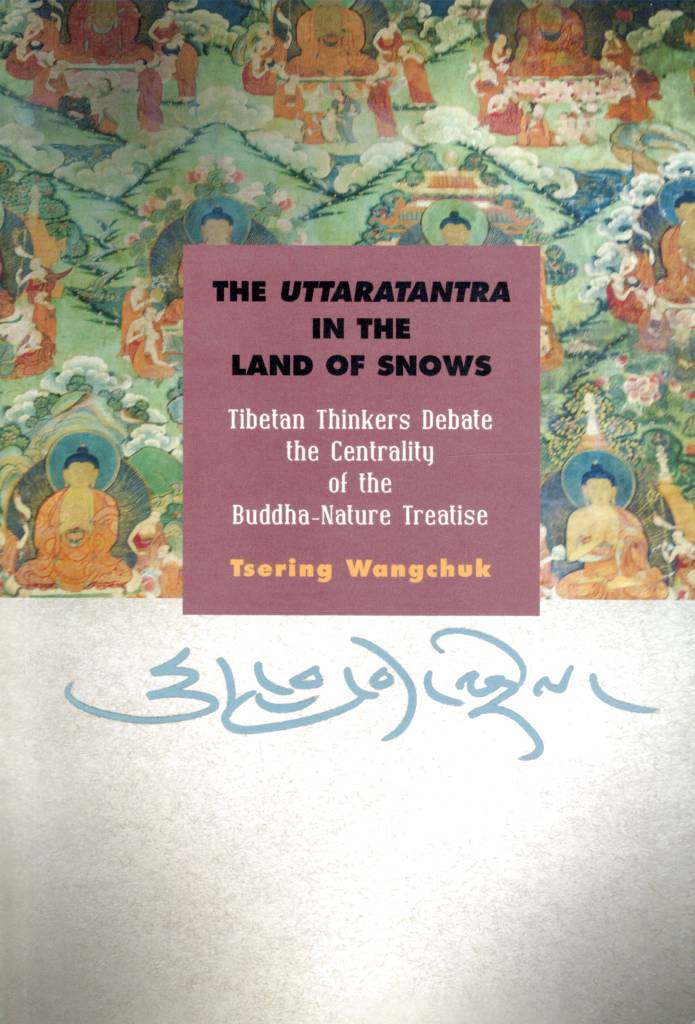
| The advantage of Wangchuk's historical frame is that all assertions are placed in easy context of an opponent or supporter's writing, thus reminding the reader that buddha-nature theory in Tibet is an ongoing conversation, a debate between the two fundamental doctrinal poles of positive and negative descriptions of the ultimate. | | The advantage of Wangchuk's historical frame is that all assertions are placed in easy context of an opponent or supporter's writing, thus reminding the reader that buddha-nature theory in Tibet is an ongoing conversation, a debate between the two fundamental doctrinal poles of positive and negative descriptions of the ultimate. |
| |BookToc=*{{i|Acknowledgments|}} | | |BookToc=*{{i|Acknowledgments|xi}} |
| *{{i|Introduction|}} | | *{{i|Introduction|1}} |
| | **{{i|General Remarks|1}} |
| | **{{i|Textual Historical Background|5}} |
|
| |
|
| *{{i|General Remarks|}}
| | *{{i|Part I. Early Period: Kadam Thinkers Rescue the Treatise|13}} |
| *{{i|Textual Historical Background|}}
| | **{{i|Chapter 1. Rise of the Uttaratantra in Tibet: Early Kadam Scholars Revitalize the Newly Discovered Indian Exegesis|13}} |
| | | ***{{i|Introduction|13}} |
| *{{i|Part I. Early Period: Kadam Thinkers Rescue the Treatise|}} | | ***{{i|Ngok and Chapa on the Pervasive Nature of the Buddha-Body|15}} |
| **{{i|1. Rise of the Uttaratantra in Tibet: Early Kadam Scholars Revitalize the Newly Discovered Indian Exegesis|}} | | ***{{i|Ngok and Chapa on Definitive or Provisional Nature in the Uttaratantra |18}} |
| ***{{i|Introduction|}} | | ***{{i|Ngok and Chapa on the Uttaratantra as a Last Wheel Treatise |19}} |
| ***{{i|Ngok and Chapa on the Pervasive Nature of the Buddha-Body|}} | | ***{{i|Buddha-Element as a Conceived Object|20}} |
| ***{{i|Ngok and Chapa on Definitive or Provisional Nature in the Uttaratantra |}} | | ***{{i|Ngok and Chapa Differ on Emphasis|21}} |
| ***{{i|Ngok and Chapa on the Uttaratantra as a Last Wheel Treatise |}} | | ***{{i|Conclusion|24}} |
| ***{{i|Buddha-Element as a Conceived Object|}} | | **{{i|2. Sowing Seeds for Future Debate: Dissenters and Adherents|25}} |
| ***{{i|Ngok and Chapa Differ on Emphasis|}} | | ***{{i|Introduction |25}} |
| ***{{i|Conclusion|}} | | ***{{i|Sapen, the Dissenter |26}} |
| **{{i|2. Sowing Seeds for Future Debate: Dissenters and Adherents|}} | | ***{{i|Rikrel, the Third Karmapa, and Sangpu Lodrö Defend the Uttaratantra |29}} |
| ***{{i|Introduction |}} | | ***{{i|Rinchen Yeshé’s Proto Other-Emptiness Presentation of the Uttaratantra, and Butön’s Reply|34}} |
| ***{{i|Sapen, the Dissenter |}} | | ***{{i|Conclusion|38}} |
| ***{{i|Rikrel, the Third Karmapa, and Sangpu Lodrö Defend the Uttaratantra |}} | | *{{i|Part II. The Pinnacle Period: the Other-Emptiness Interpretation Spreads |43}} |
| ***{{i|Rinchen Yeshé’s Proto Other-Emptiness Presentation of the Uttaratantra, and Butön’s Reply|}} | | **{{i|3. Other-Emptiness Tradition: The Uttaratantra in Dölpopa’s Works|43}} |
| ***{{i|Conclusion|}} | | ***{{i|Introduction|43}} |
| *{{i|Part II. The Pinnacle Period: the Other-Emptiness Interpretation Spreads |}} | | ***{{i|Predominance of the Last Wheel Scriptures|44}} |
| **{{i|3. Other-Emptiness Tradition: The Uttaratantra in Dölpopa’s Works|}} | | ***{{i|Is the Uttaratantra a Cittamātra Text or a Madhyamaka Text?|46}} |
| ***{{i|Introduction|}} | | ***{{i|Classification of Cittamātra|48}} |
| ***{{i|Predominance of the Last Wheel Scriptures|}} | | ***{{i|Classification of Madhyamaka|51}} |
| ***{{i|Is the Uttaratantra a Cittamātra Text or a Madhyamaka Text?|}} | | ***{{i|Conclusion|54}} |
| ***{{i|Classification of Cittamātra|}} | | **{{i|4. The Uttaratantra in Fourteenth-Century Tibet|55}} |
| ***{{i|Classification of Madhyamaka|}} | | ***{{i|Introduction |55}} |
| ***{{i|Conclusion|}} | | ***{{i|Sazang Follows in His Master’s Footsteps|55}} |
| **{{i|4. The Uttaratantra in Fourteenth-Century Tibet|}} | | ***{{i|Two Fourteenth-Century Kadam Masters’ Uttaratantra Commentaries |59}} |
| ***{{i|Introduction |}} | | ***{{i|Longchenpa’s View on the Uttaratantra|63}} |
| ***{{i|Sazang Follows in His Master’s Footsteps|}} | | ***{{i|Conclusion|65}} |
| ***{{i|Two Fourteenth-Century Kadam Masters’ Uttaratantra Commentaries |}} | | *{{i|Part III. The Argumentation Period: Self-Emptiness Proponents criticize Other-Emptiness Approach |69}} |
| ***{{i|Longchenpa’s View on the Uttaratantra|}} | | **{{i|5. Challenges to the Purely Definitive Nature of the Uttaratantra: Zhalu Thinkers Criticize Dölpopa |69}} |
| ***{{i|Conclusion|}} | | ***{{i|Introduction|69}} |
| *{{i|Part III. The Argumentation Period: Self-Emptiness Proponents criticize Other-Emptiness Approach |}} | | ***{{i|Butön’s Ornament |70}} |
| **{{i|5. Challenges to the Purely Definitive Nature of the Uttaratantra: Zhalu Thinkers Criticize Dölpopa |}} | | ***{{i|Dratsépa’s Commentary|72}} |
| ***{{i|Introduction|}} | | ***{{i|Conclusion|80}} |
| ***{{i|Butön’s Ornament |}} | | **{{i|6. Challenges to the Supremacy of the Uttaratantra: Rendawa and Tsongkhapa on Tathāgata-essence Literature |83}} |
| ***{{i|Dratsépa’s Commentary|}} | | ***{{i|Introduction|83}} |
| ***{{i|Conclusion|}} | | ***{{i|Rendawa on the Uttaratantra and the Tathāgata-Essence Literature|83}} |
| **{{i|6. Challenges to the Supremacy of the Uttaratantra: Rendawa and Tsongkhapa on Tathāgata-essence Literature |}} | | ***{{i|Tsongkhapa on the Uttaratantra and the Tathāgata-Essence Literature|89}} |
| ***{{i|Introduction|}} | | ***{{i|Conclusion|95}} |
| ***{{i|Rendawa on the Uttaratantra and the Tathāgata-Essence Literature|}} | | **7. {{i|Gyeltsap’s Commentary on the Uttaratantra: A Critique of Dölpopa’s Interpretation of Tathāgata-essence Literature|97}} |
| ***{{i|Tsongkhapa on the Uttaratantra and the Tathāgata-Essence Literature|}} | | ***{{i|Introduction|97}} |
| ***{{i|Conclusion|}} | | ***{{i|Middle Wheel and Last Wheel Teachings|101}} |
| **7. {{i|Gyeltsap’s Commentary on the Uttaratantra: A Critique of Dölpopa’s Interpretation of Tathāgata-essence Literature|}} | | ***{{i|Definitive Meaning and Provisional Meaning|103}} |
| ***{{i|Introduction|}} | | ***{{i|Self-Emptiness and Other-Emptiness|104}} |
| ***{{i|Middle Wheel and Last Wheel Teachings|}} | | ***{{i|Conclusion|106}} |
| ***{{i|Definitive Meaning and Provisional Meaning|}} | | *{{i|Conclusion|109}} |
| ***{{i|Self-Emptiness and Other-Emptiness|}} | | *{{i|General Remarks|109}} |
| ***{{i|Conclusion|}} | | *{{i|Completing the Cycle|112}} |
| *{{i|Conclusion|}} | | *{{i|Notes|119}} |
| *{{i|General Remarks|}} | | *{{i|Bibliography|181}} |
| *{{i|Completing the Cycle|}} | | *{{i|Tibetan Language Works Cited|181}} |
| *{{i|Notes|}} | | *{{i|English Language Works Cited|186}} |
| *{{i|Bibliography|}} | | *{{i|Index|191}} |
| *{{i|Tibetan Language Works Cited|}} | |
| *{{i|English Language Works Cited|}} | |
| *{{i|Index|}} | |
| |AddRelatedTab=No | | |AddRelatedTab=No |
| |QuotesTabContent={{GetBookQuotes}} | | |QuotesTabContent={{GetBookQuotes}} |
| |PostStatus=Needs Copy Editing | | |PostStatus=Needs Copy Editing |
| }} | | }} |