The Reception of an Influential Mahāyāna Doctrine in Central and East Asia
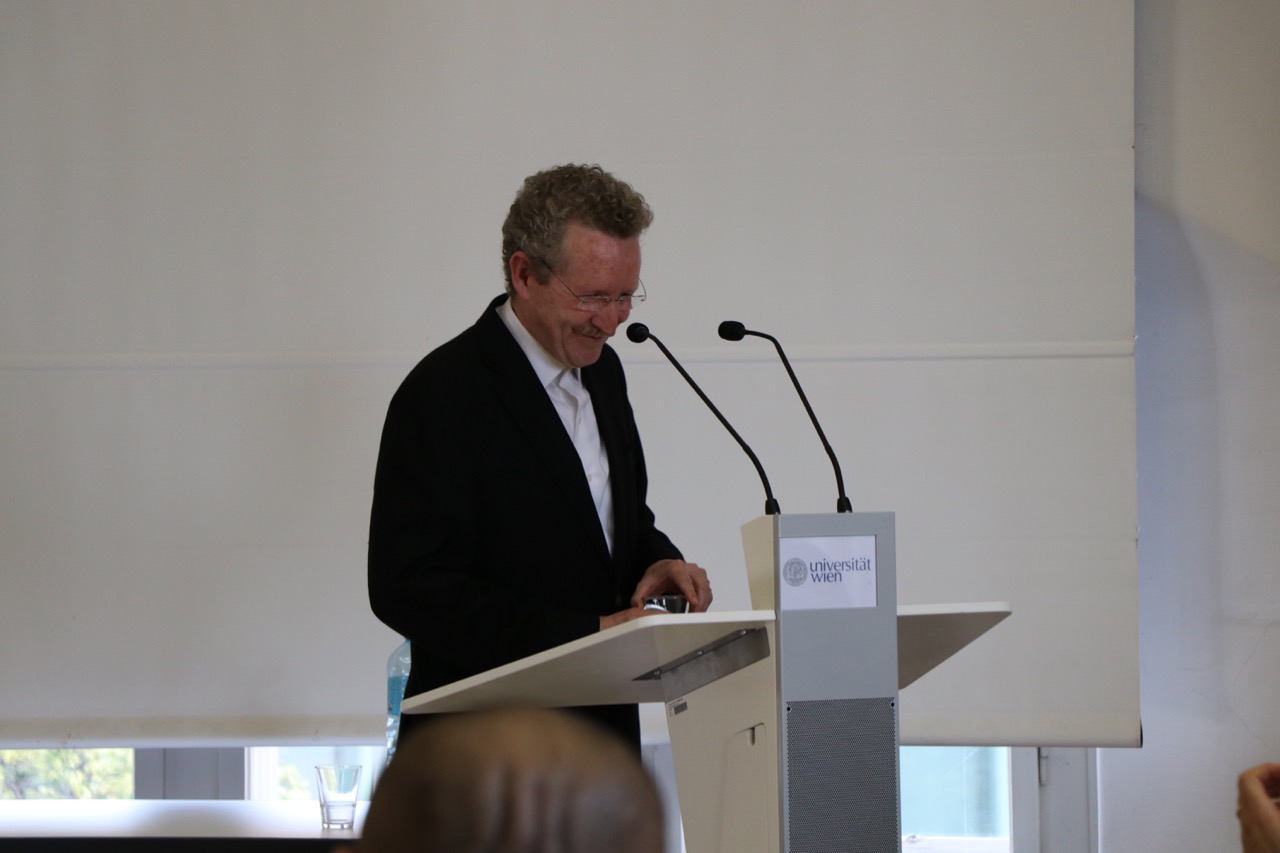
Organized by Professor Klaus-Dieter Mathes Department of South Asian, Tibetan and Buddhist Studies, Universität Wien
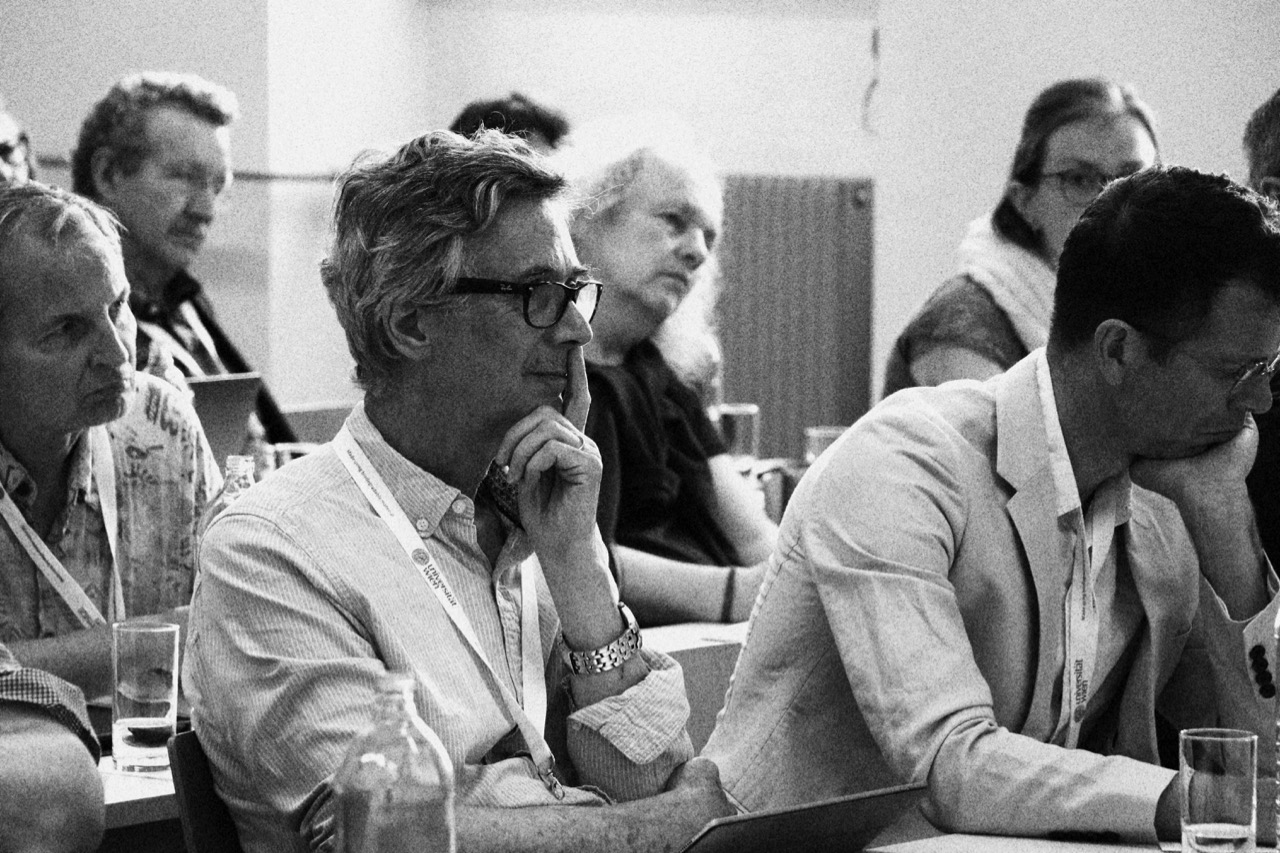
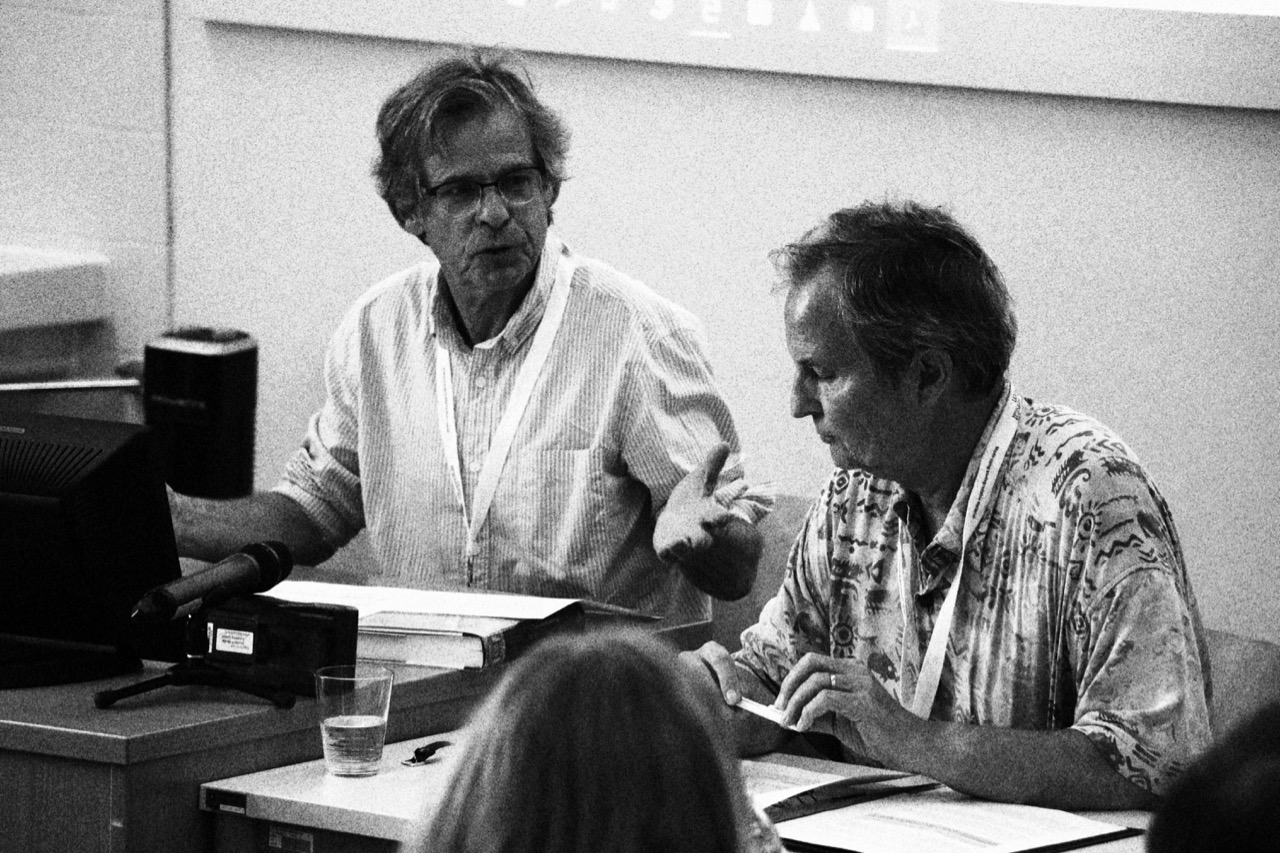
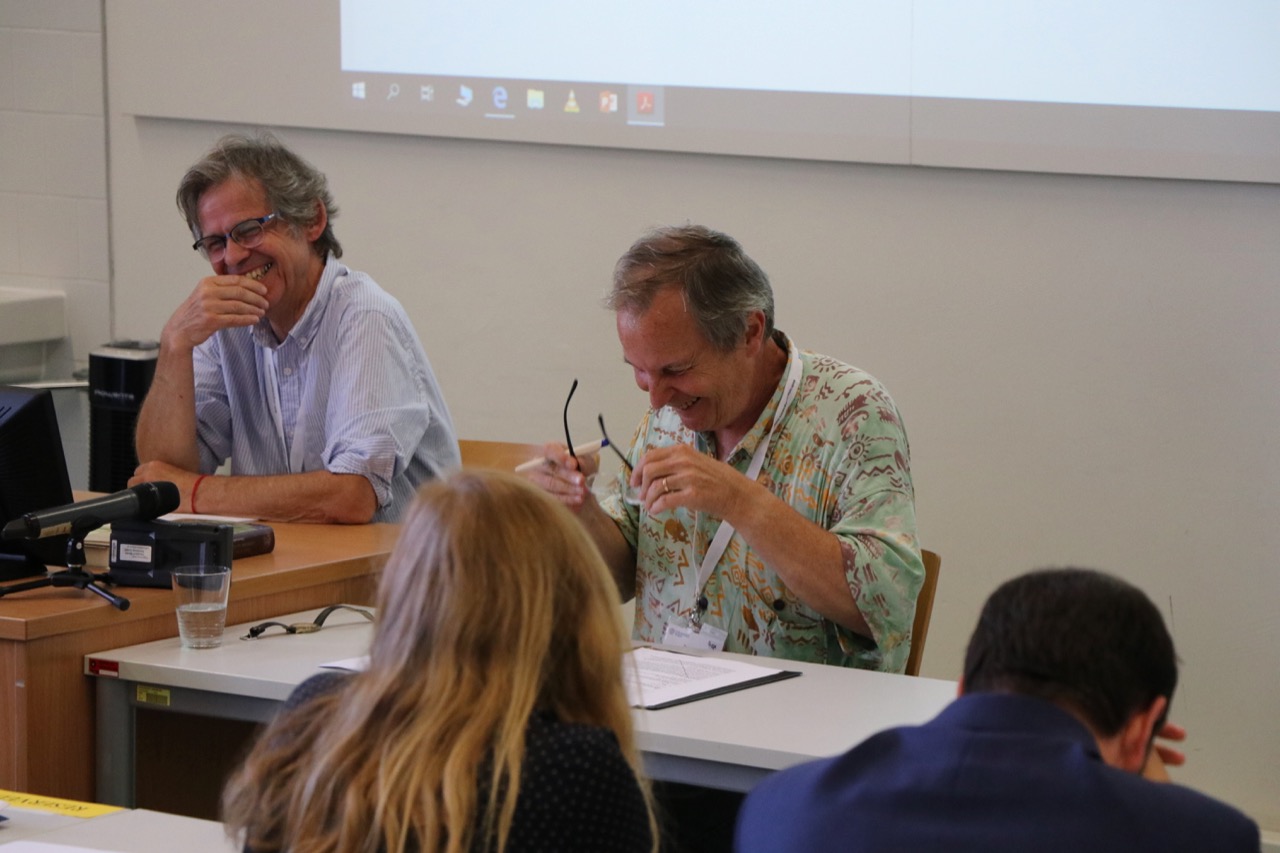
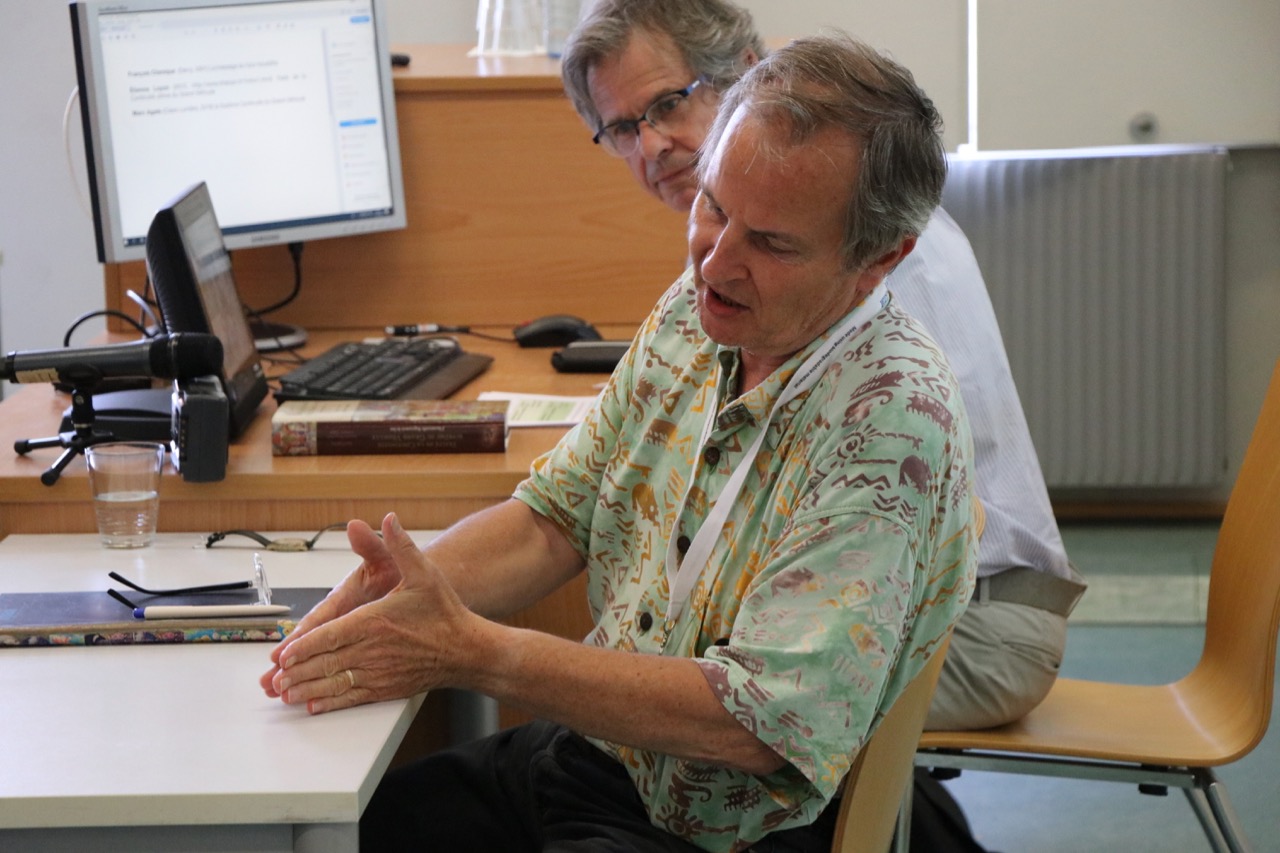
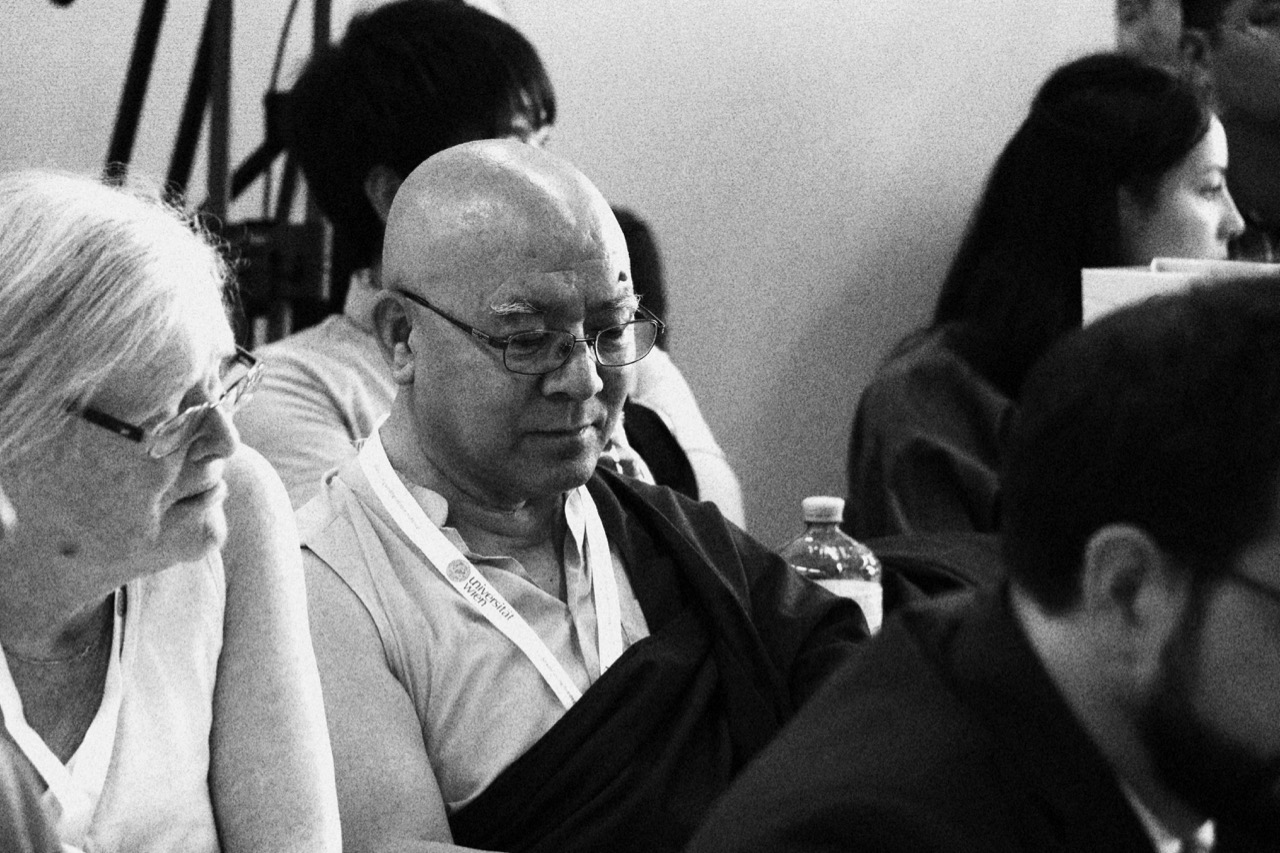
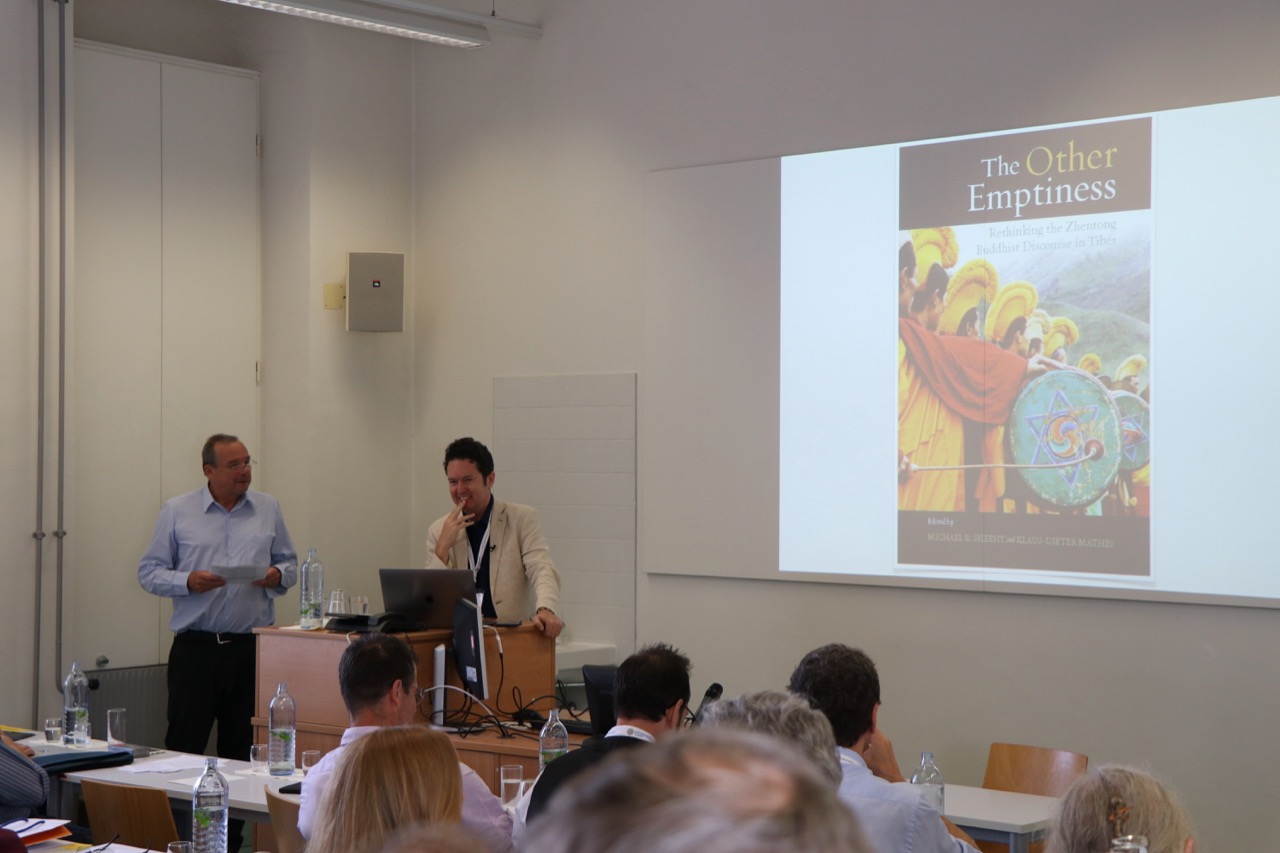
The 2019 Vienna Symposium
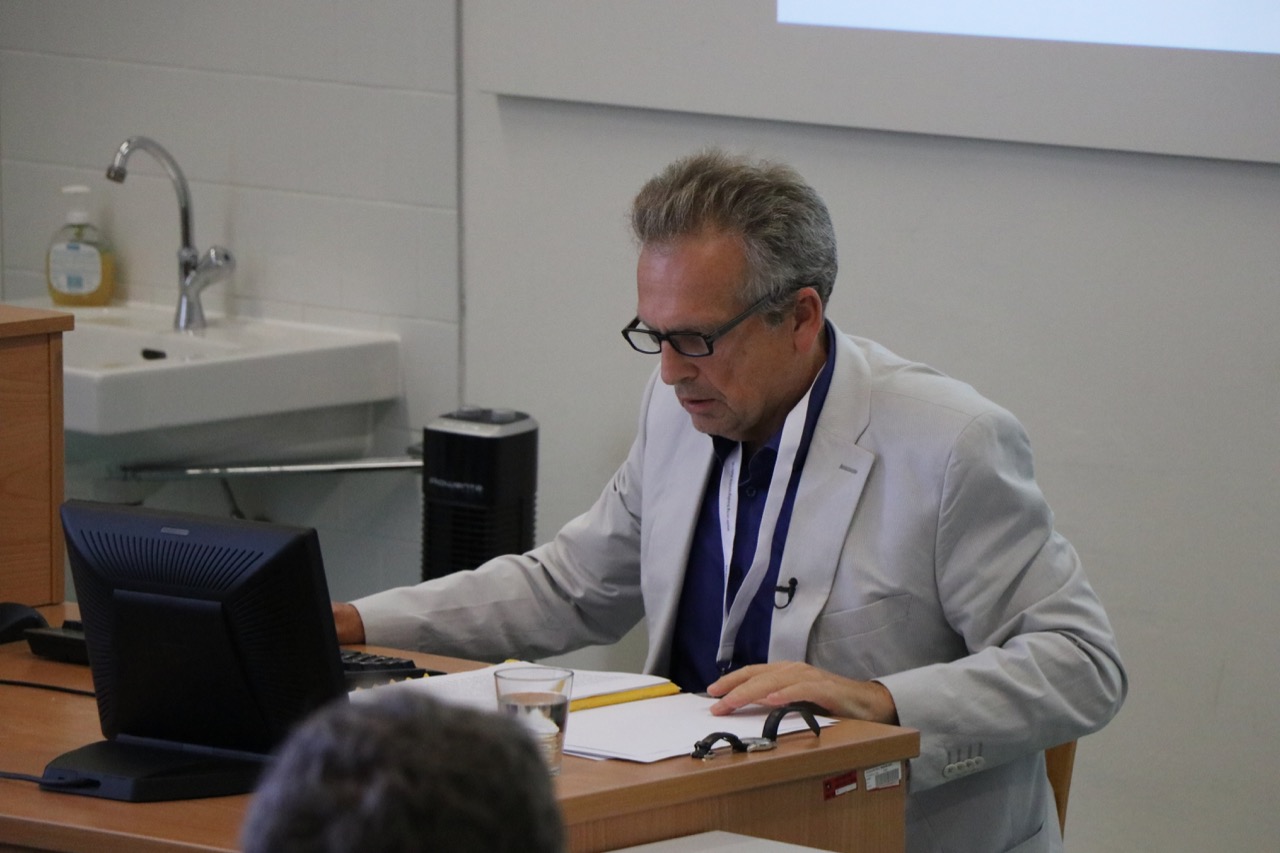
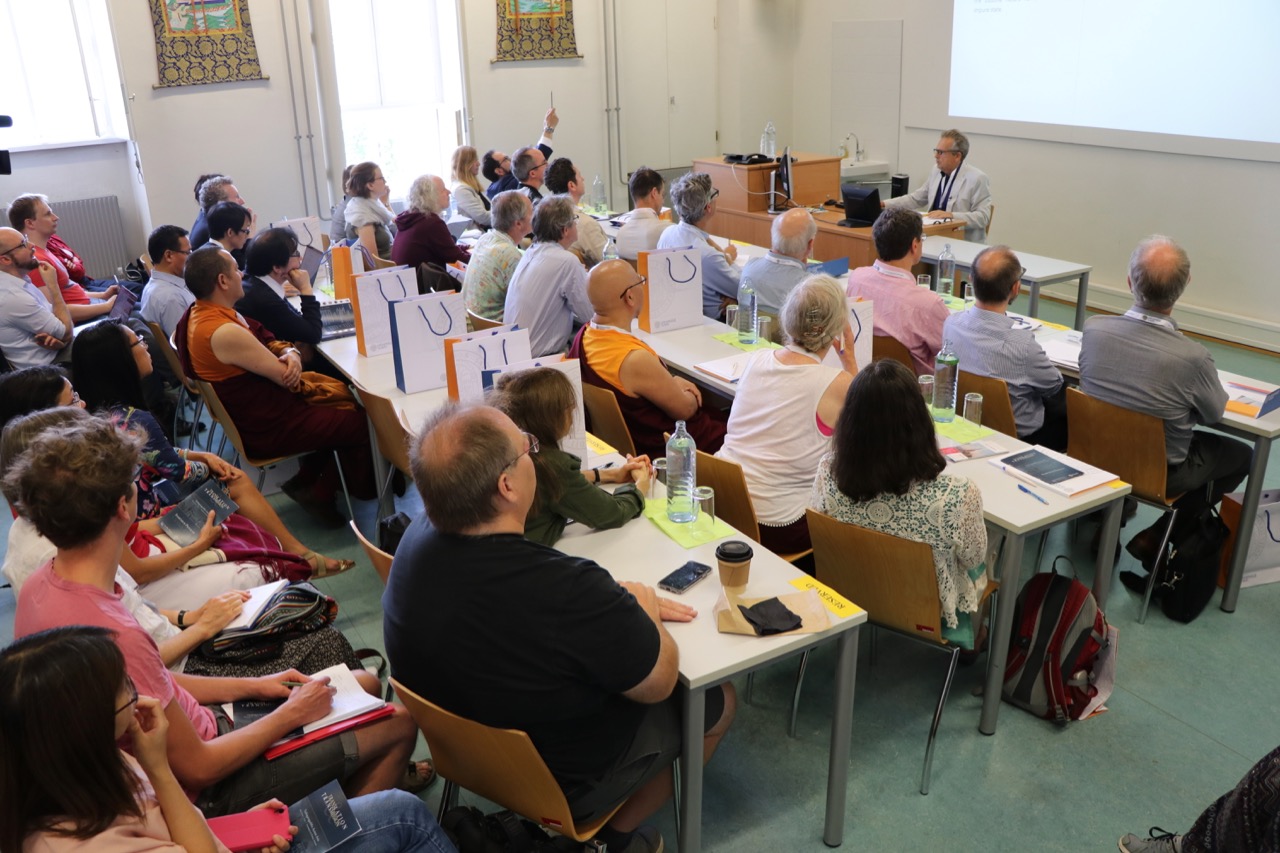
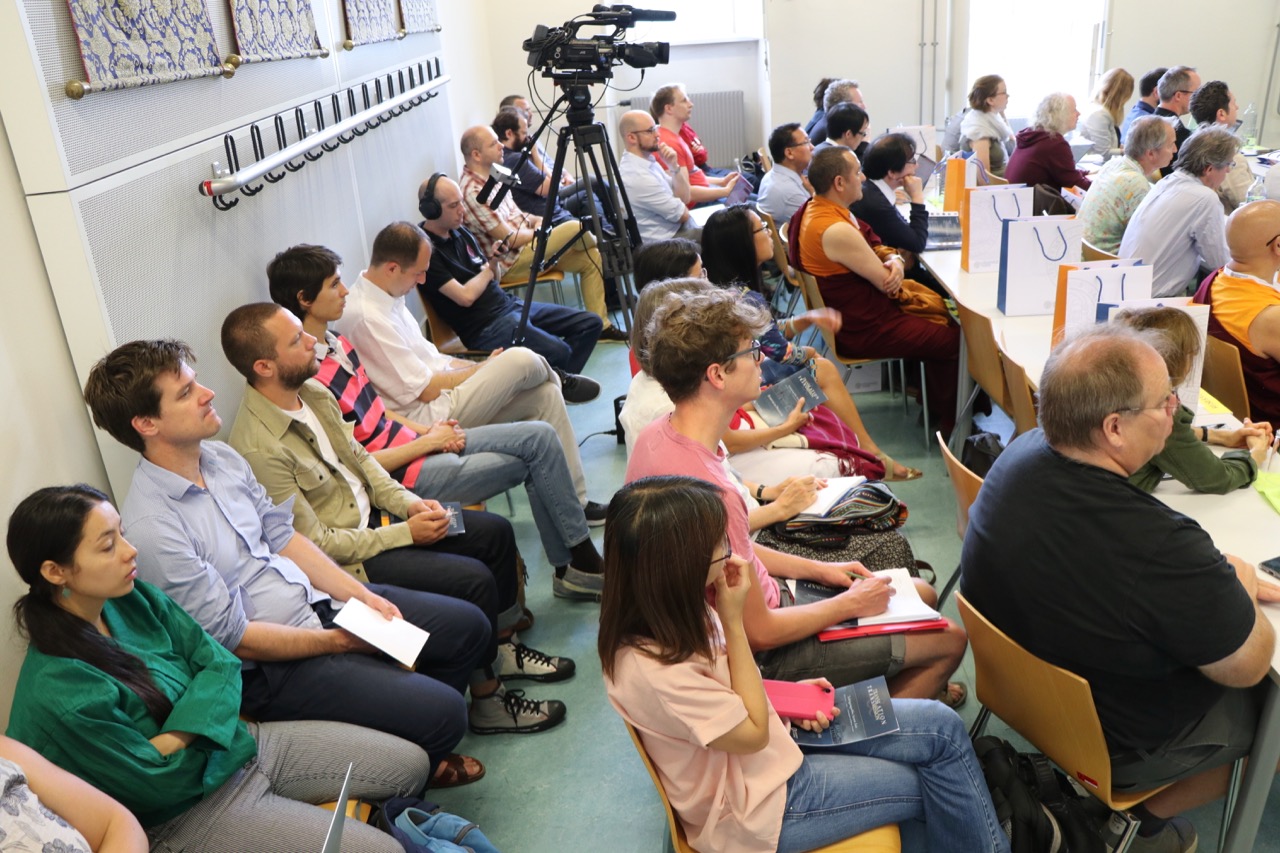
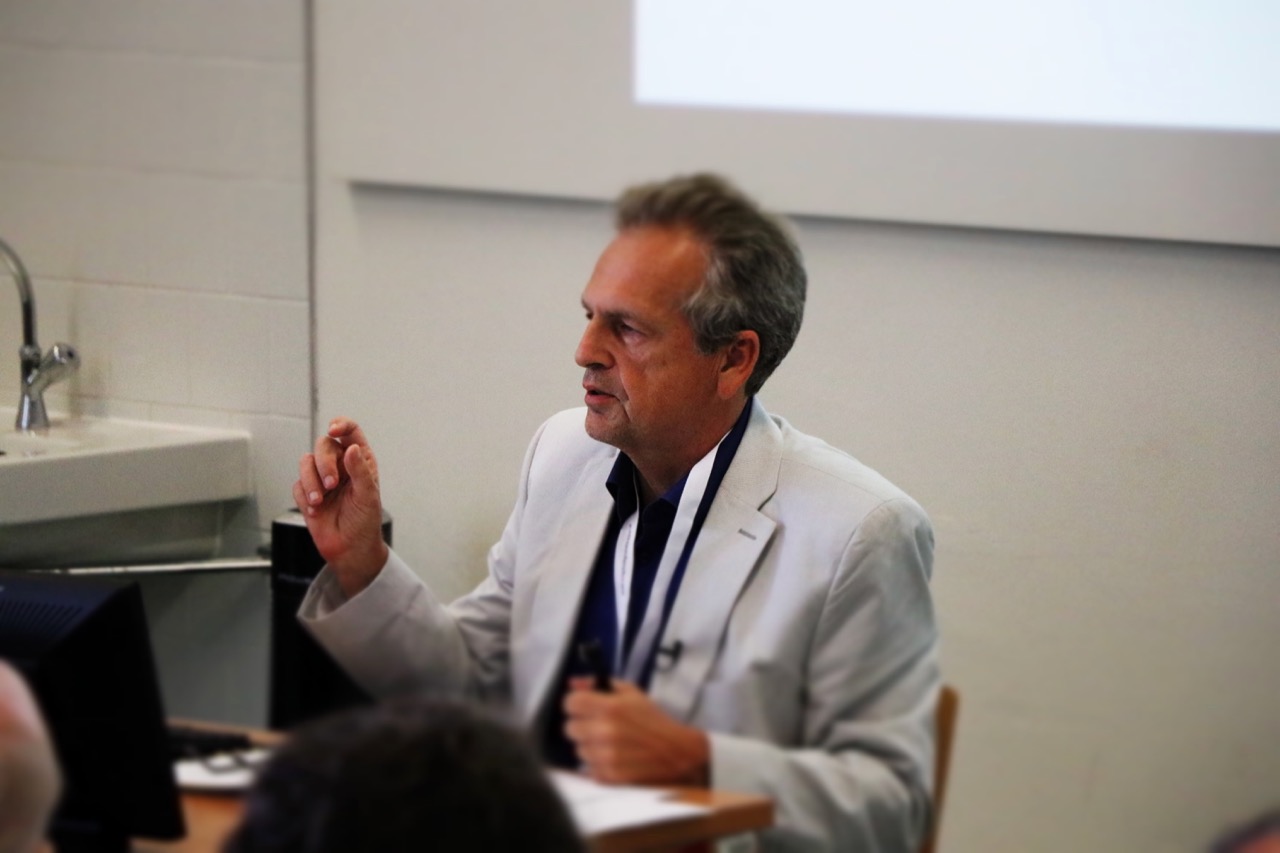
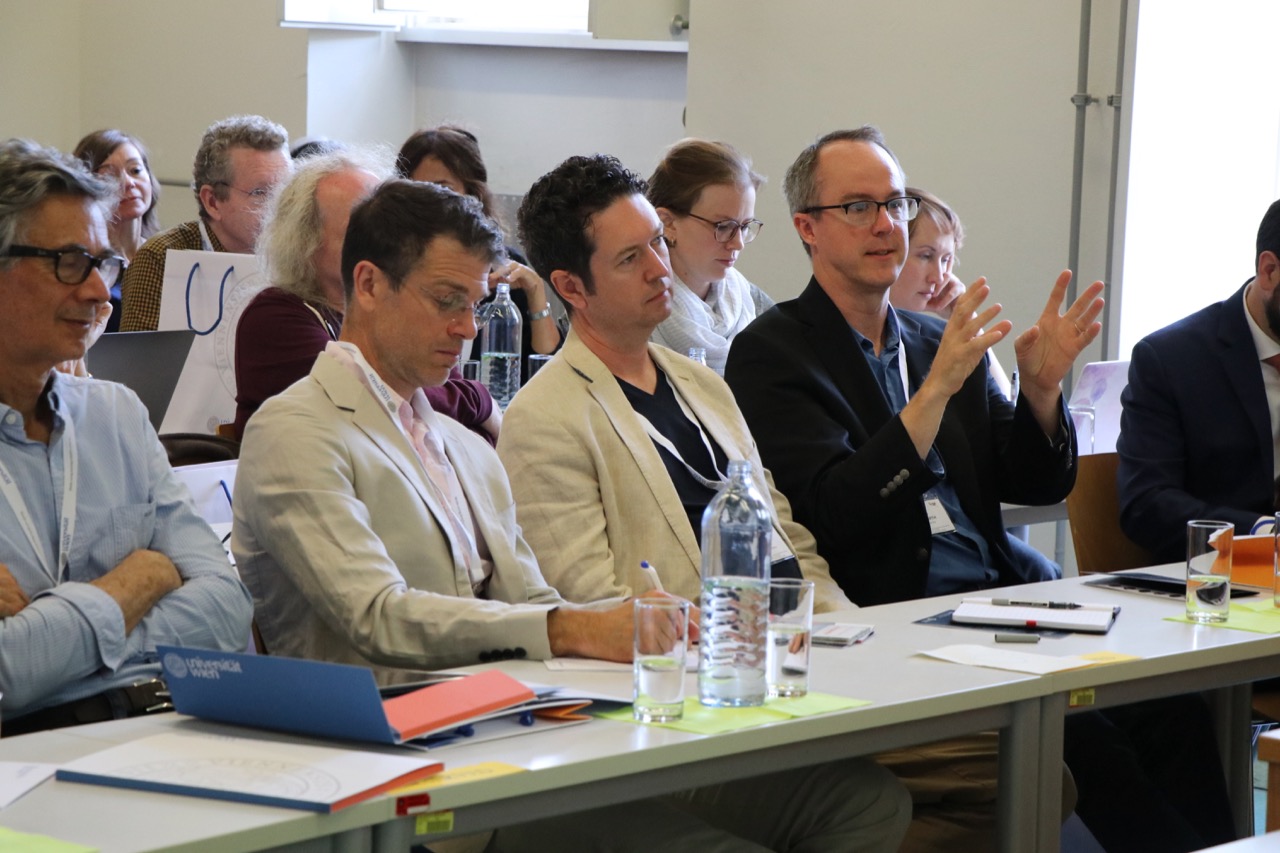
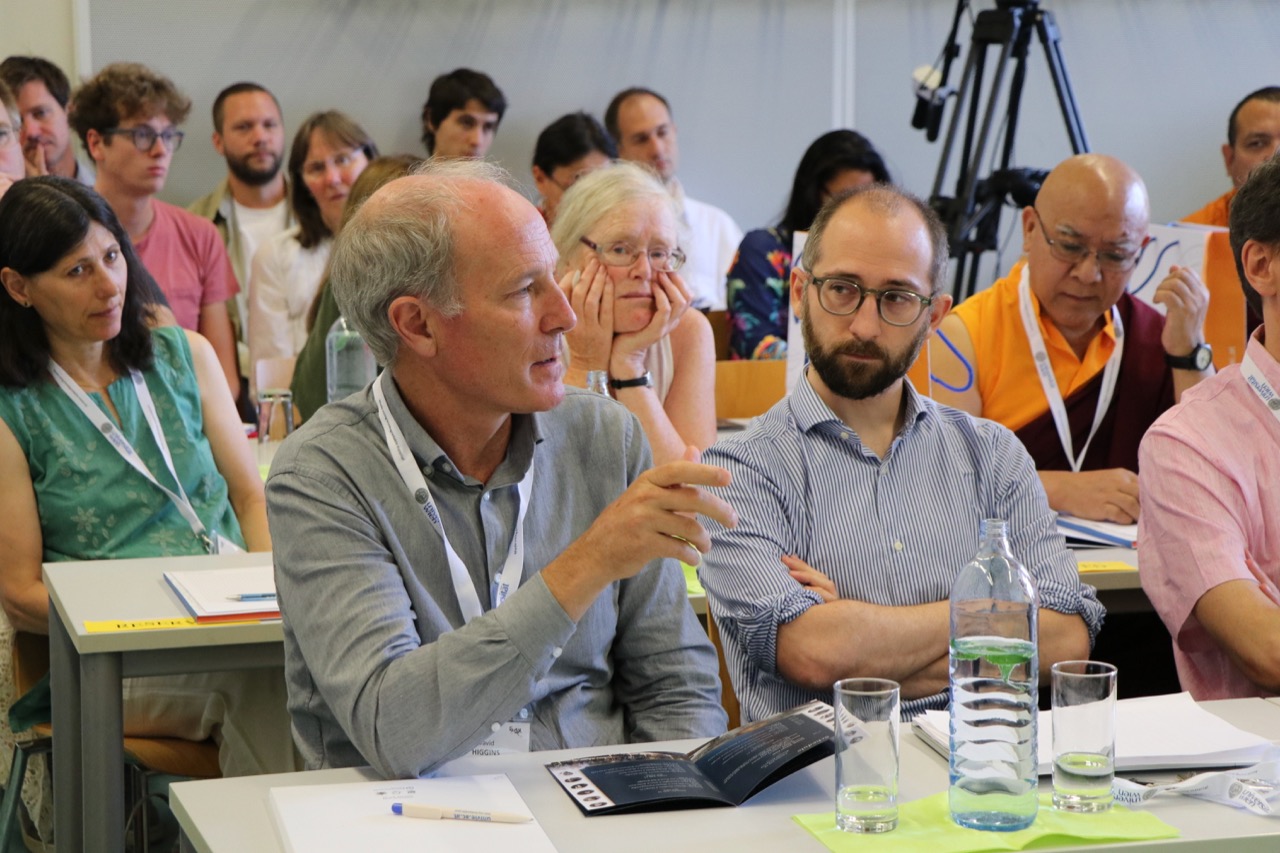
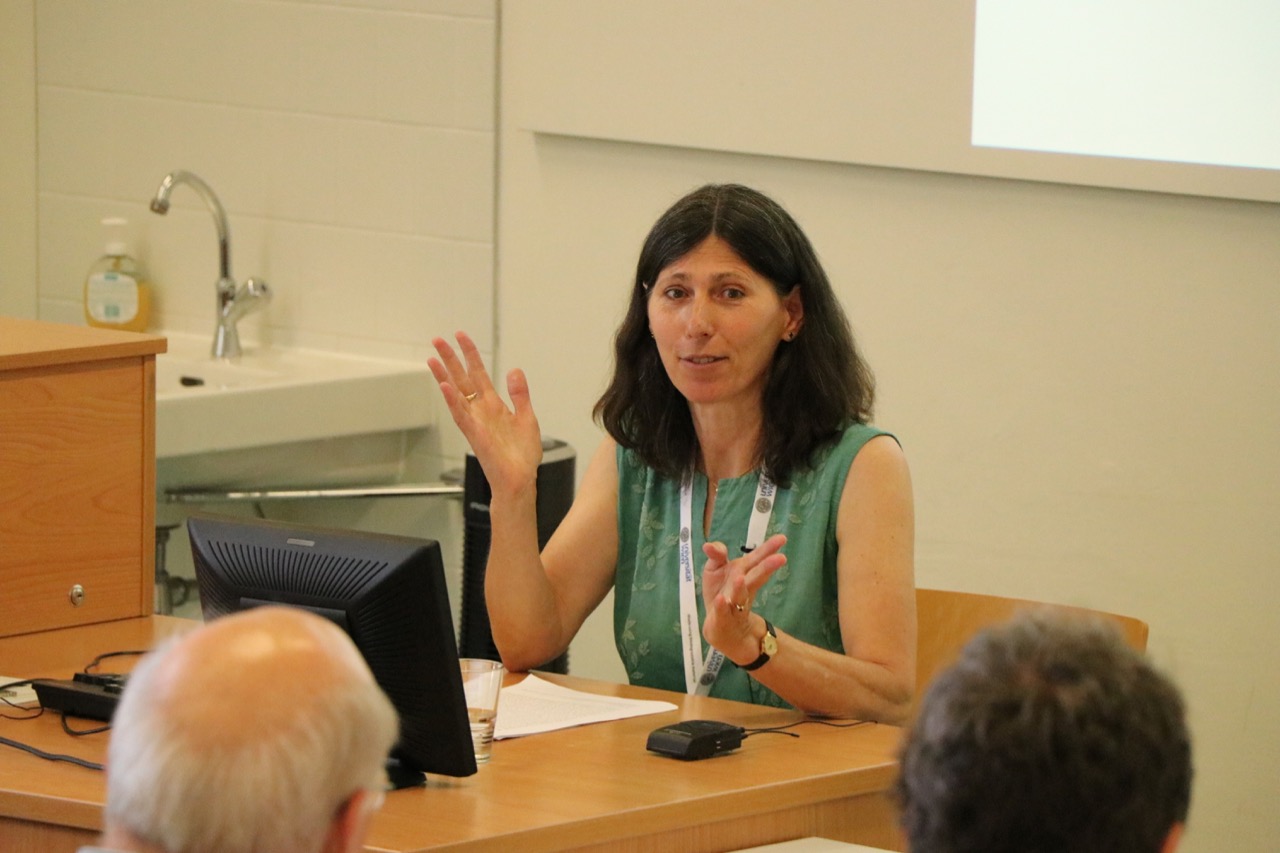
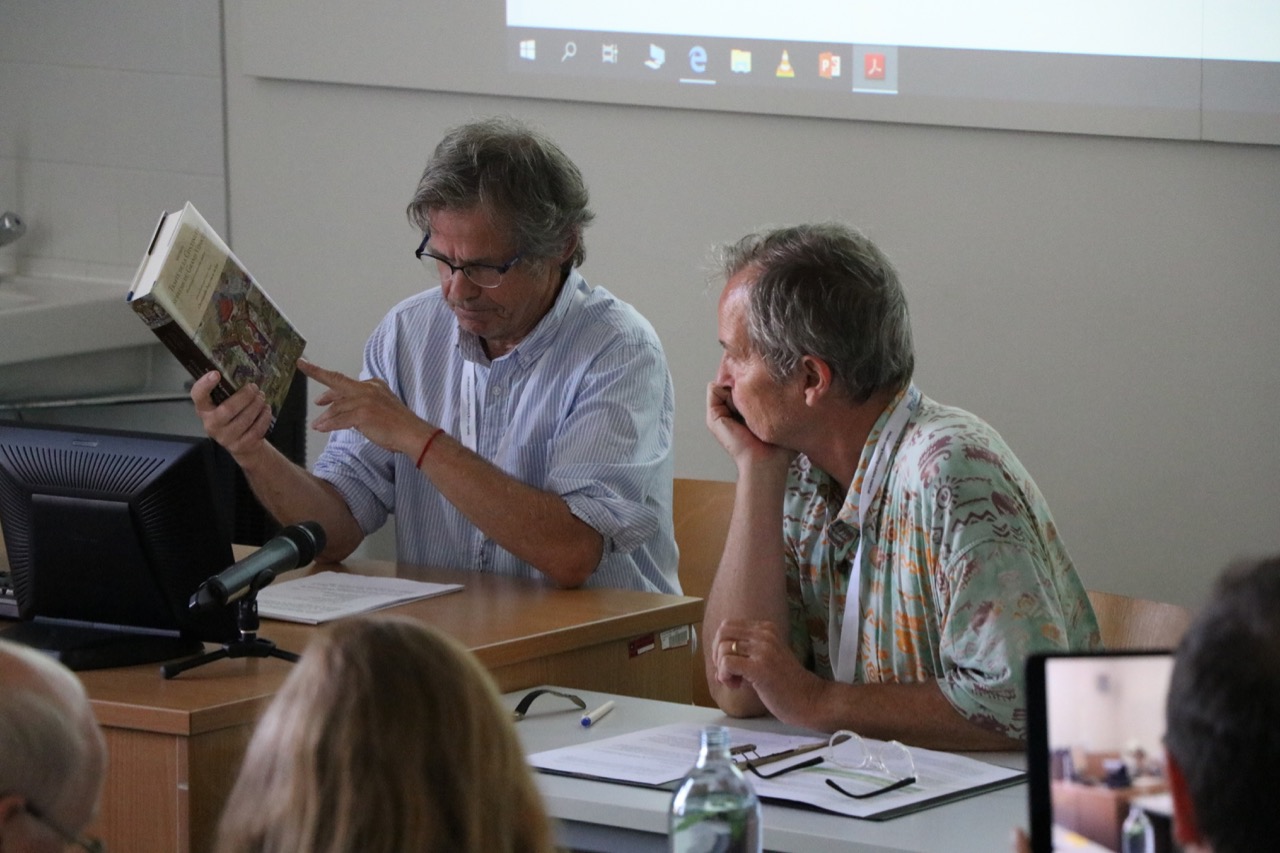
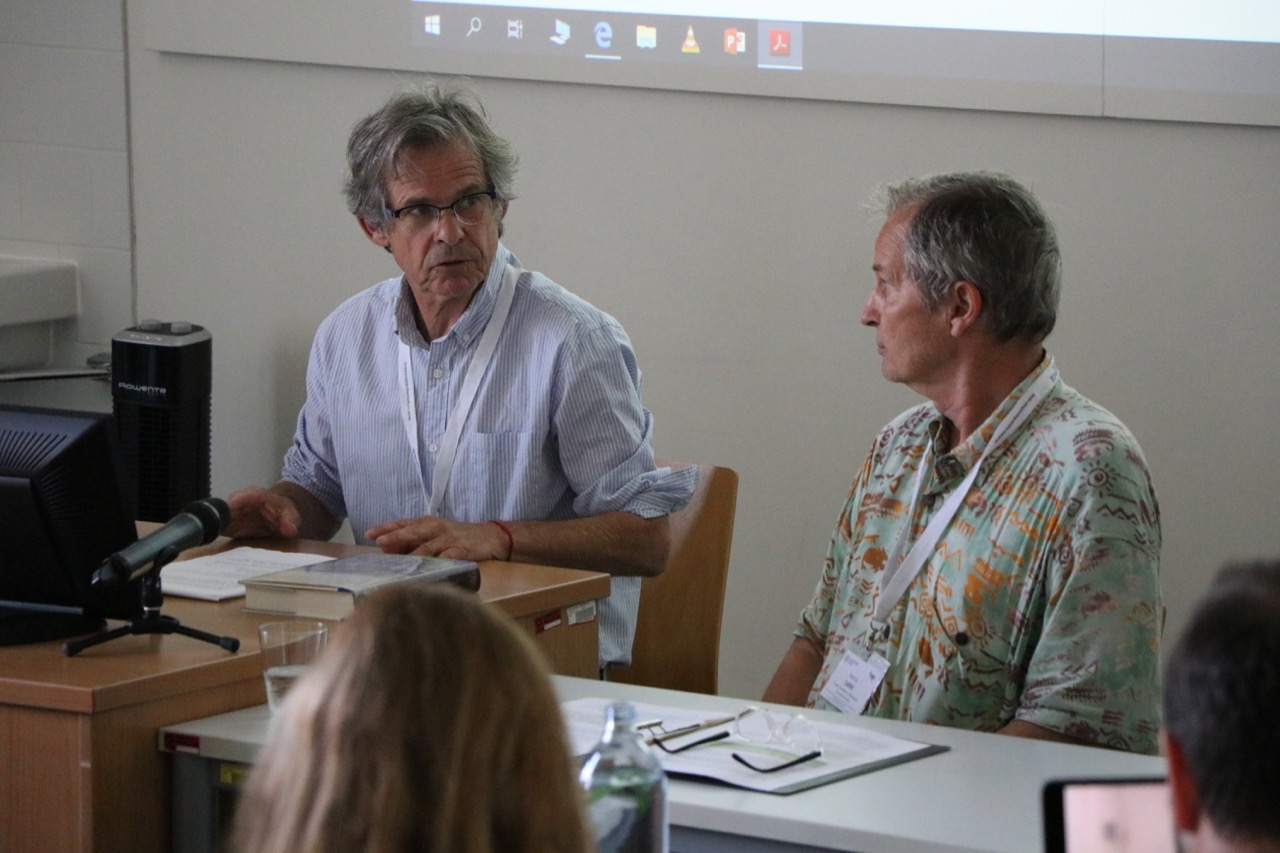
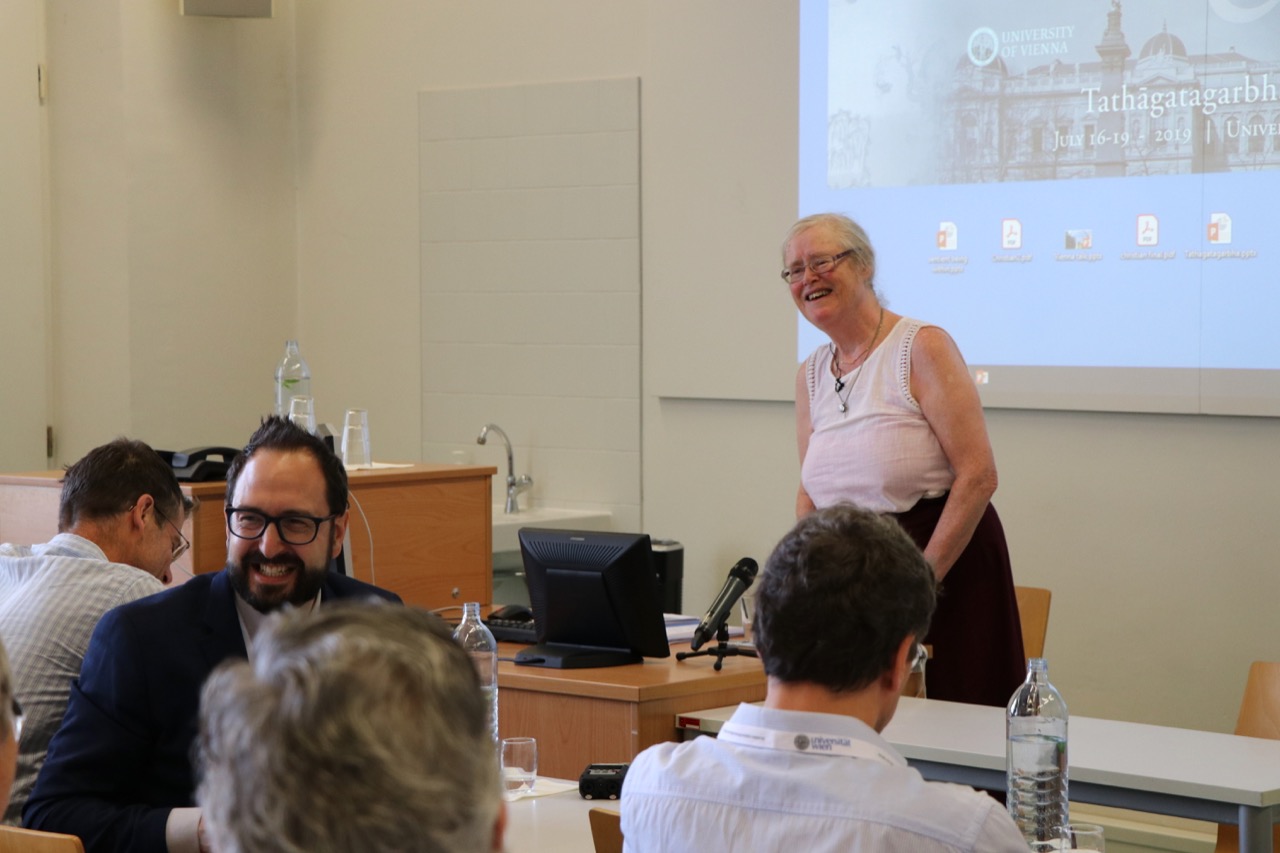
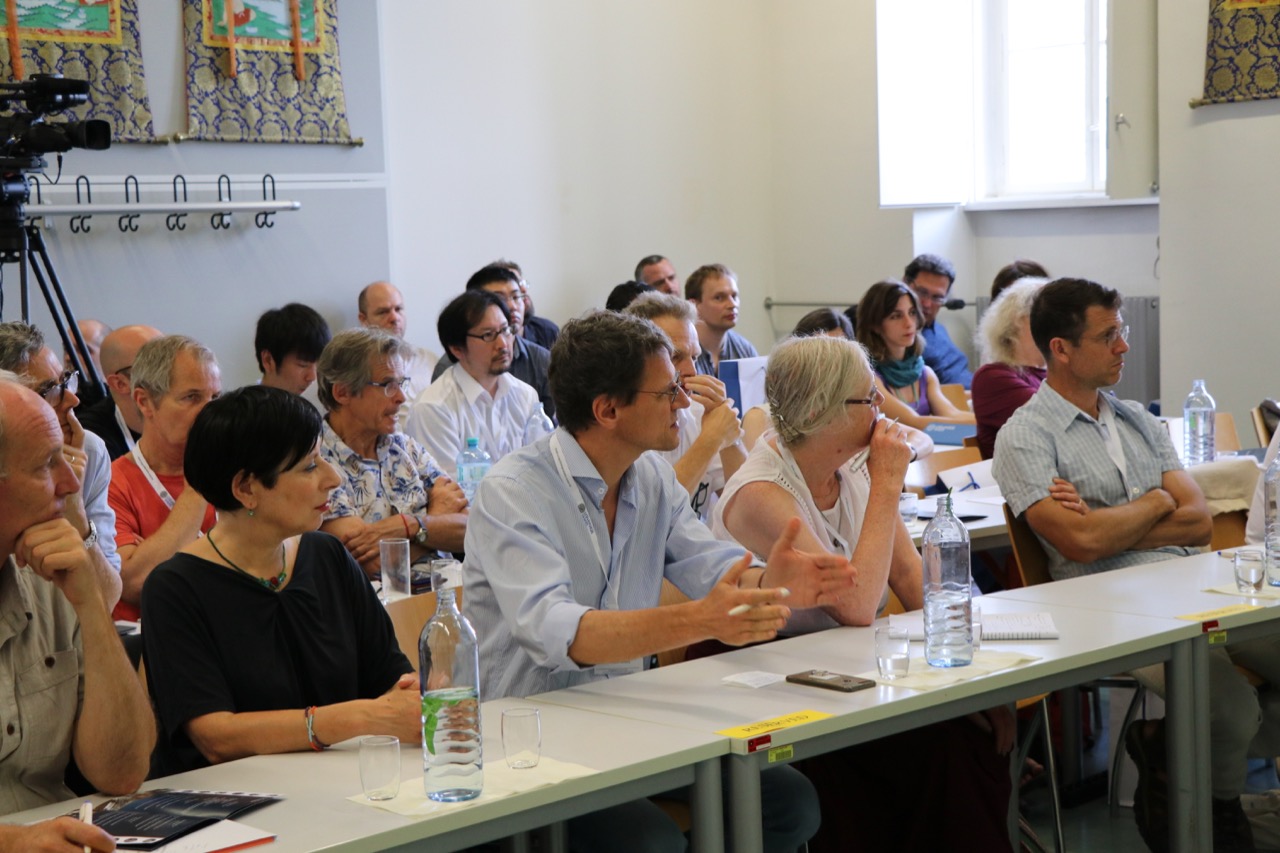
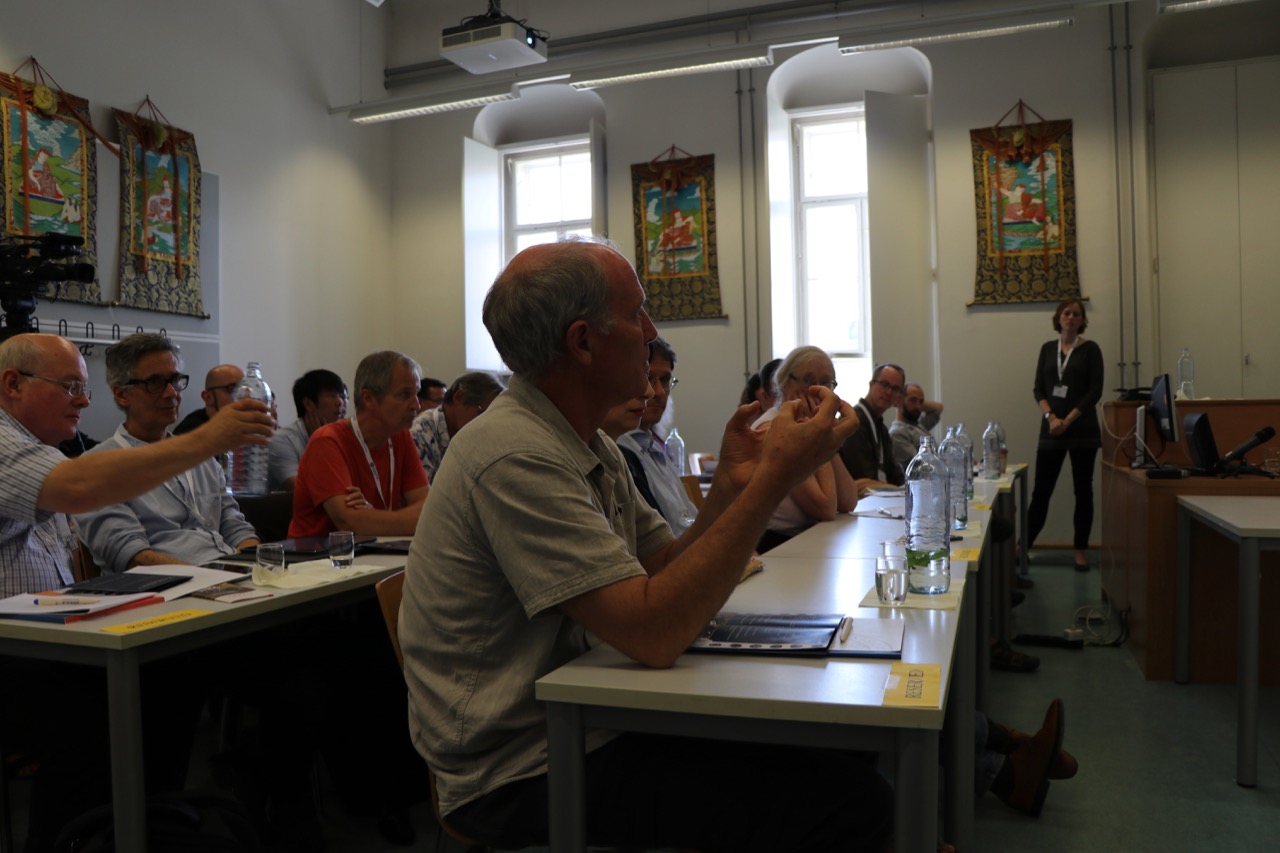
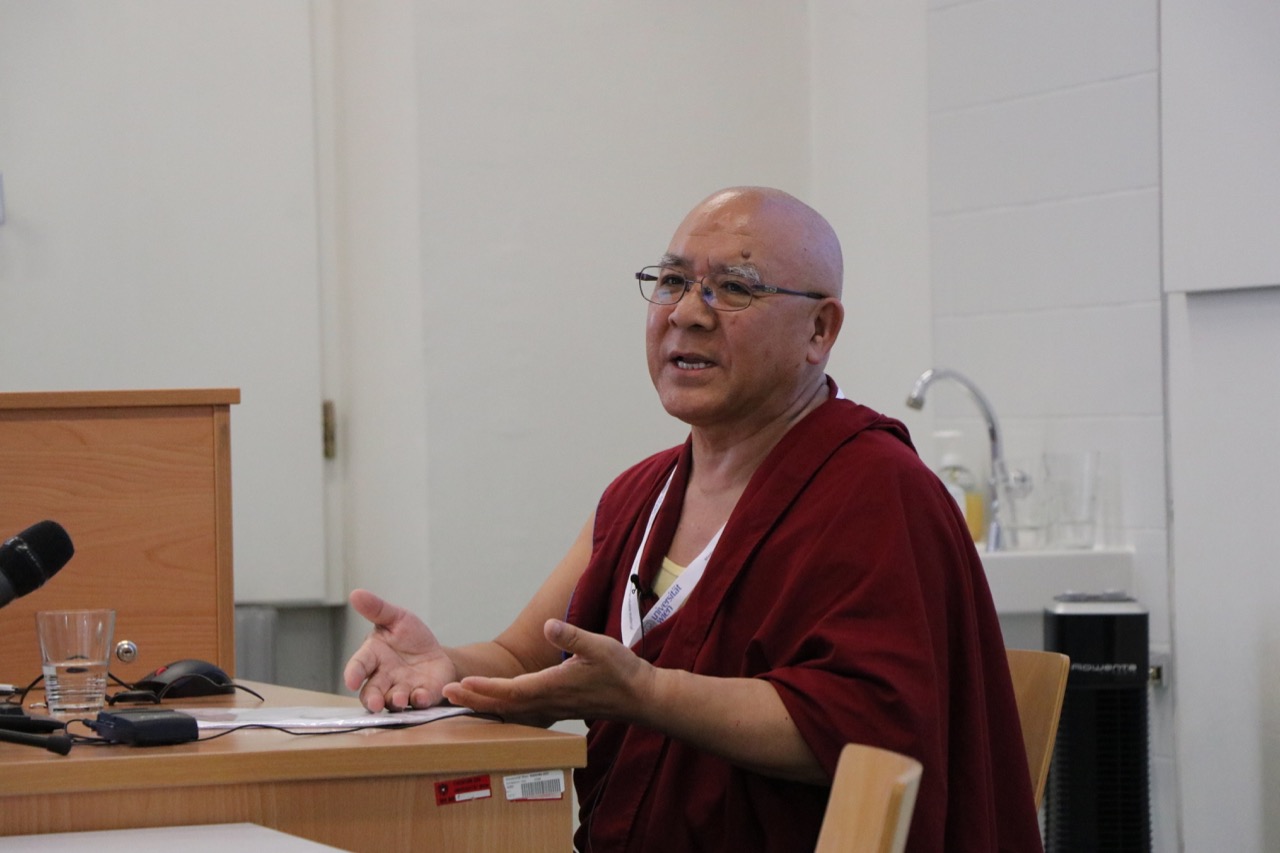
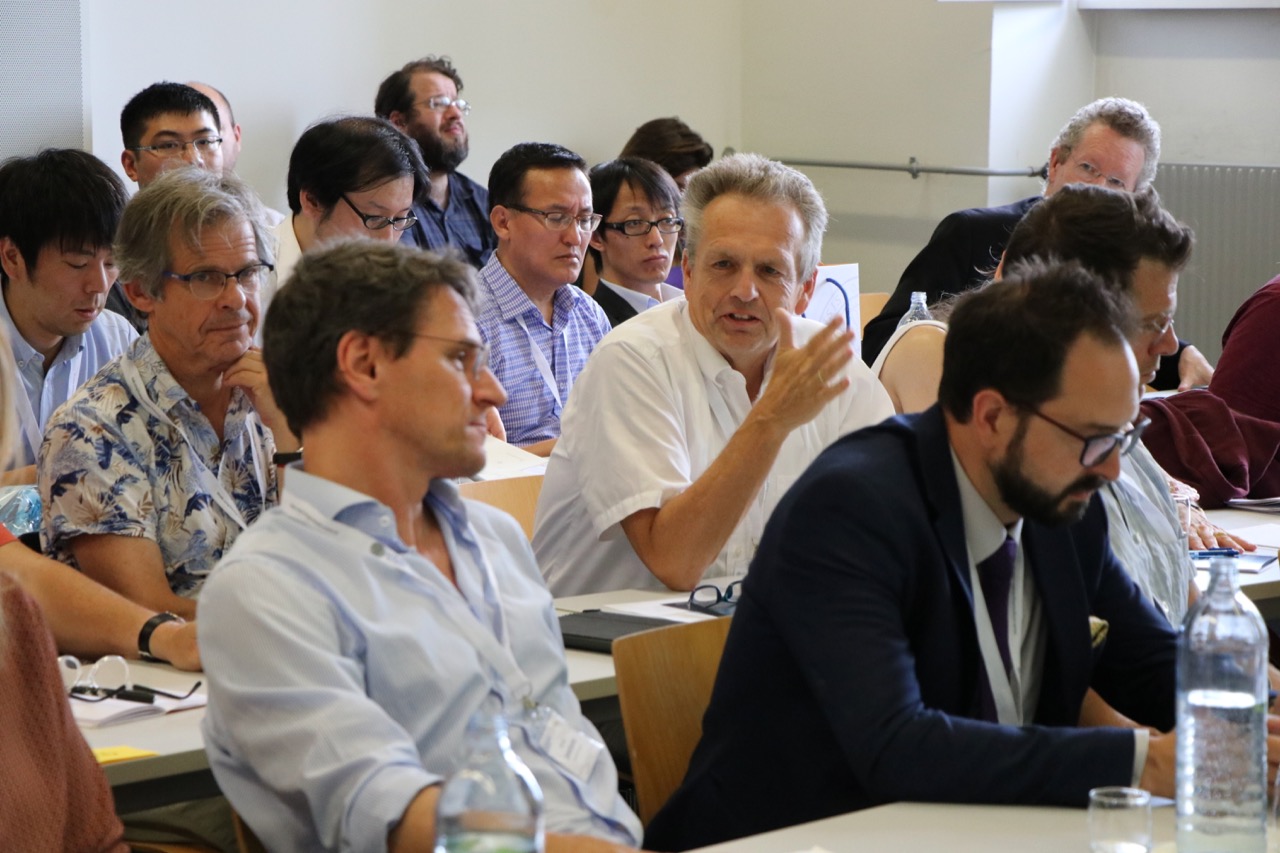
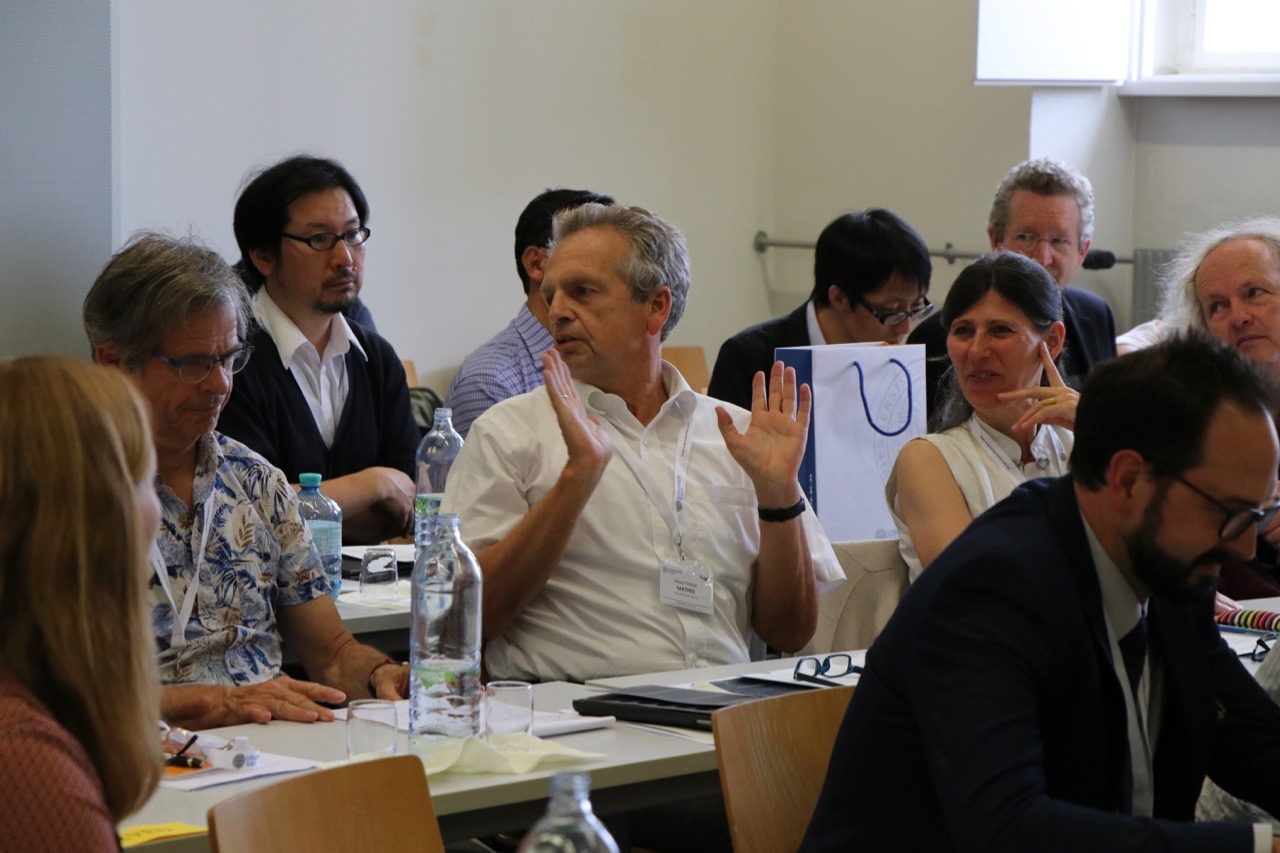
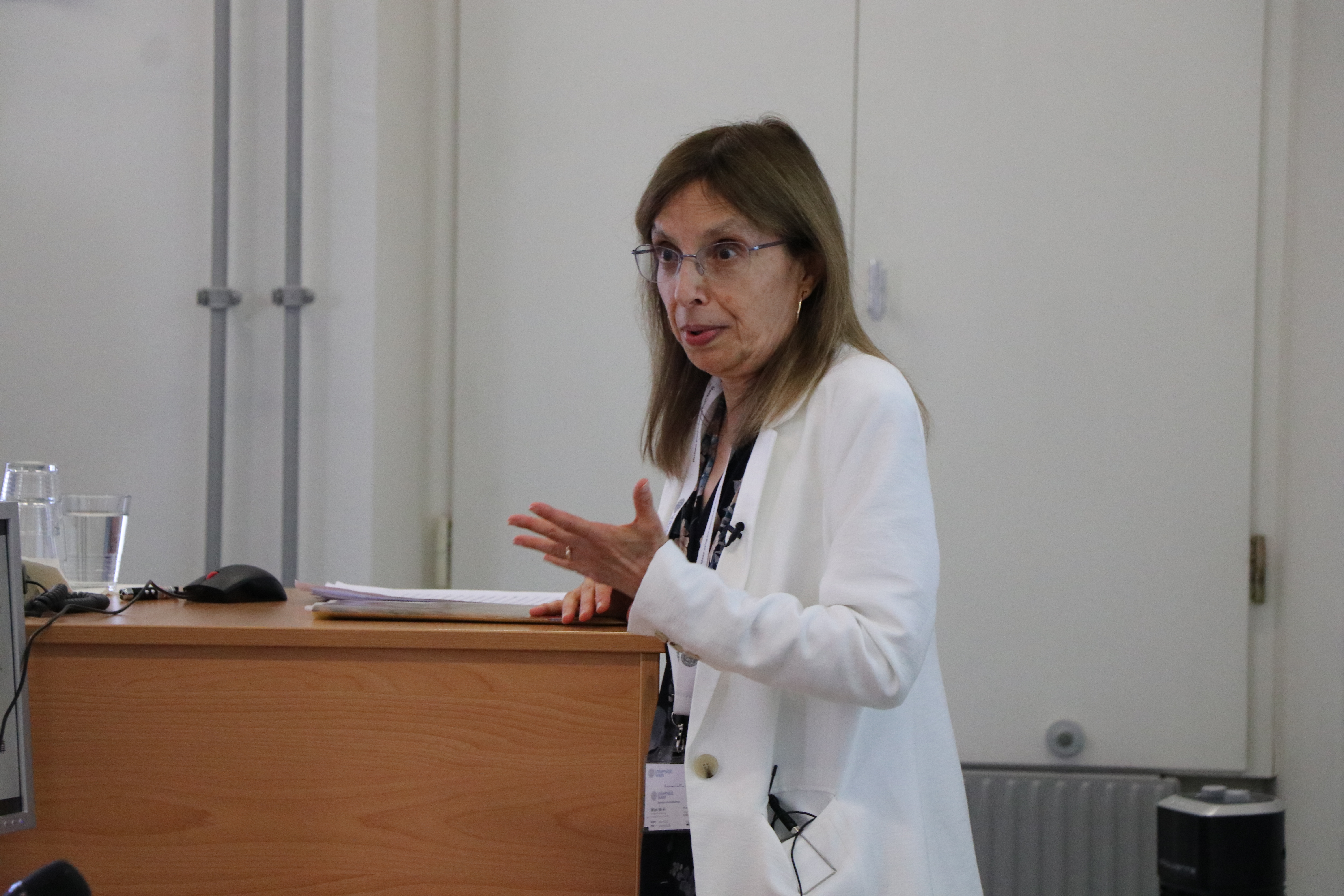
Increased attention to the tathāgatagarbha doctrine in the last decade has lead to significant publications and meetings on the topic of buddha-nature and related themes. Scholars in Asia, Europe, and the Americas have published new translations and studies of the foundational scriptures and commentaries, and are examining the history and literature of the doctrine. In July 2019 Tsadra Foundation partnered with the University of Vienna to bring many of these scholars together for an international symposium titled Tathāgatagarbha Across Asia. The presentations are available here and the edited papers will be published in a collection of essays from Wisdom Publications.
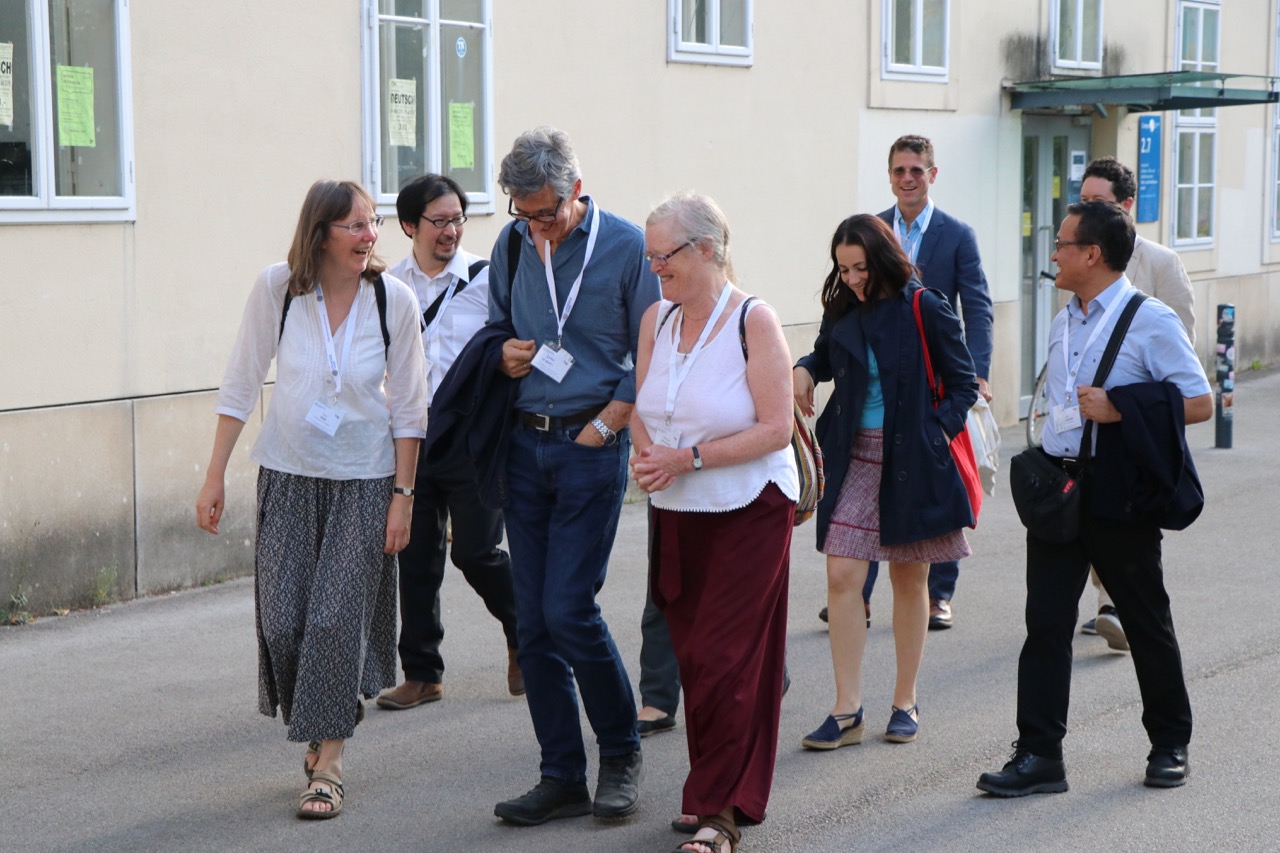
Over three days the symposium surveyed the differing forms of tathāgatagarbha doctrine that developed as its primary Indian scriptural sources were translated, transmitted, and interpreted by religious schools across Asia. Contemporary Buddhist teachers joined academics at the podium. Presentations ranged from the historical-philological analysis of the primary sources to issues of reconstruction and comparison in the target languages and cultures and included how tathāgatagarbha is taught in Buddhist communities today. Although primarily focused on the Indian and Himalayan material, the diversity in approaches and subject matter made for fruitful comparisons and discussions.
All presentations were recorded, and the videos are available below. The book was published in Vienna as Buddha Nature Across Asia. WSTB 103.
The Symposium Sessions
Klaus-Dieter Mathes
Welcome
Klaus-Dieter Mathes
Welcome Speech of the 2019 Tathāgatagarbha Symposium: Opening Remarks by Klaus-Dieter Mathes
Lopez, Donald S., Jr. “Tathāgatagarbha: A Brief History.” Keynote lecture at the University of Vienna Symposium, Tathāgatagarbha Across Asia, Vienna, Austria, July 2019. Video, 40:17. https://youtu.be/0SSSdNNbeu8.; Texts/Ratnagotravibhāga Mahāyānottaratantraśāstra, Key Terms/tathāgatagarbha, Texts/Tathāgatagarbhasūtra, Key Terms/guṇapāramitā, People/Asaṅga, Texts/Laṅkāvatārasūtra, Texts/Śrīmālādevīsūtra, Texts/Aṅgulimālīyasūtra, Texts/Saddharmapuṇḍarīkasūtra, Texts/Bde gshegs snying po gsal ba'i rgyan, People/Tsong kha pa, Texts/Dasheng qixin lun, Key Terms/ālayavijñāna, Articles/A History of Buddha-Nature Theory: The Literature and Traditions, People/Gimello, R., Key Terms/tathatā, People/Obermiller, E., People/Vasubandhu, People/Schopen, G., People/Bhāvaviveka, People/Burnouf, E., People/Lcang skya rol pa'i rdo rje, Topics/History of buddha-nature in Tibet, Topics/History of buddha-nature in China, Topics/History of buddha-nature in India, Topics/History of buddha-nature in Japan
Klaus-Dieter Mathes
Presentation
Klaus-Dieter Mathes
Zhang ston Bsod nams grags pa’s Defense of Dol po pa’s Clear-Cut Distinction between Buddha Nature and the Ground Consciousness
Empty of True Existence, Yet Full of Qualities. Tshogs gnyis rgya mtsho (1880–1940) on Buddha Nature
Brambilla, Filippo. "Empty of True Existence, Yet Full of Qualities. Tshogs gnyis rgya mtsho (1880–1940) on Buddha Nature." Paper presented at the University of Vienna Symposium, Tathāgatagarbha Across Asia, Vienna, Austria, July 2019. Video, 41:47. https://www.youtube.com/watch?v=_1cTYaIFa4g; Texts/Ratnagotravibhāga Mahāyānottaratantraśāstra, Key Terms/gzhan stong, Key Terms/neyārtha, Key Terms/nītārtha, Key Terms/prasajyapratiṣedha, Key Terms/tridharmacakrapravartana, Key Terms/Jonang, Key Terms/Geluk, People/Dol po pa, Texts/Saṃdhinirmocanasūtra, Texts/Kun mkhyen jo nang pa chen po'i dgongs pa gzhan stong dbu ma'i tshul legs pa bshad mthar 'dzin gdung 'phrog, Texts/Kun mkhyen jo nang pa'i bzhes dgongs dbu tshad kyi gzhung spyi dang gung bsgrigs te spyod pa'i spyi don rab gsal snang ba, Topics/Buddha-nature as Emptiness, People/Ngag dbang tshogs gnyis rgya mtsho, Key Terms/guṇa
Martina Draszczyk
Presentation
Martina Draszczyk
Buddha Nature as Seen by Early Bka’ brgyud Masters
Draszczyk, Martina. "Buddha Nature as Seen by Early Bka’ brgyud Masters." Paper presented at the University of Vienna Symposium, Tathāgatagarbha Across Asia, Vienna, Austria, July 2019. Video, 37:27. https://www.youtube.com/watch?v=MoMUdg40Qv8.; Key Terms/paryudāsapratiṣedha, Key Terms/prasajyapratiṣedha, Key Terms/Kagyu, Key Terms/Kadam, People/Karmapa, 3rd, People/Sgam po pa, People/Btsan kha bo che, Texts/Dam chos yid bzhin gyi nor bu thar pa rin po che'i rgyan, Key Terms/Tsen Tradition, Key Terms/dharmakāya, People/La yag pa byang chub dngos grub, Topics/Buddha-nature as Emptiness, Key Terms/guṇa, Topics/Defining buddha-nature, Topics/Mahamudra
Khenpo Tamphel
Presentation
Khenpo Tamphel
The Difference Between a Sentient Being and a Buddha: 'Jig rten gsum mgon’s Instruction on the Process of Confusion
Sentient Beings Within: Buddha-Nature and the Great Perfection
Duckworth, Douglas. "Sentient Beings Within: Buddha-Nature and the Great Perfection." Paper presented at the University of Vienna Symposium, Tathāgatagarbha Across Asia, Vienna, Austria, July 2019. Video, 42:46. https://www.youtube.com/watch?v=slBWdnUfS8w.; Key Terms/gotra, Key Terms/rang stong, Key Terms/gzhan stong, Key Terms/Nyingma, Texts/Bde gshegs snying po'i stong thun chen mo seng+ge'i nga ro, People/Mi pham rgya mtsho, Key Terms/dharmakāya, Texts/Gzhan stong khas len seng ge'i nga ro, Topics/Buddha-nature as Emptiness, Key Terms/guṇa, Key Terms/sarvākāravaropetāśūnyatā, Topics/Sentient beings, Topics/Dzogchen, Topics/Disclosure model, Topics/Buddha-nature as Luminosity, Topics/The doctrine of buddha-nature in Tibetan Buddhism, Topics/Production model
David Higgins
Presentation
David Higgins
Buddha-Nature and Selfhood
Higgins, David. "Buddha-Nature and Selfhood." Paper presented at the University of Vienna Symposium, Tathāgatagarbha Across Asia, Vienna, Austria, July 2019. Video, 41:28. https://www.youtube.com/watch?v=LHzI1PxptpI.; People/'gos lo tsA ba gzhon nu dpal, Key Terms/guṇapāramitā, Key Terms/gzhi, People/Karmapa, 8th, Key Terms/ālayavijñāna, Key Terms/dharmakāya, Key Terms/ātman, Key Terms/anātman, Key Terms/sarvākāravaropetāśūnyatā, Key Terms/rgyu'i rgyud, Topics/The doctrine of buddha-nature in Tibetan Buddhism, Topics/Buddha-nature as Self - Atman, Topics/The doctrine of buddha-nature in Indian Buddhism, Topics/Karma Kagyu, Topics/Vajrayana
Shenpen Hookham
Presentation
Shenpen Hookham
The impact of a Shentong interpretation of Tathāgatagarbha doctrine from the point of view of a western Buddhist practitioner
Hookham, Shenpen. "The Impact of a Shentong Interpretation of Tathāgatagarbha Doctrine from the Point of View of a Western Buddhist Practitioner." Paper presented at the University of Vienna Symposium, Tathāgatagarbha Across Asia, Vienna, Austria, July 2019. Video, 41:03. https://www.youtube.com/watch?v=IM93AeQIR4I.; Key Terms/rang stong, Key Terms/gzhan stong, Topics/History of buddha-nature in India, Topics/Contemporary, Topics/The doctrine of buddha-nature in Early Buddhism, Topics/The Path, Topics/Terminology
Hong Luo
Presentation
Hong Luo
Observing the Link between Self-awareness and Buddha Nature in Ratnākaraśānti’s Prajñāpāramitopadeśa
Luo, Hong. "Observing the Link between Self-awareness and Buddha Nature in Ratnākaraśānti’s Prajñāpāramitopadeśa." Paper presented at the University of Vienna Symposium, Tathāgatagarbha Across Asia, Vienna, Austria, July 2019. Video, 39:00. https://www.youtube.com/watch?v=y5iFwWLJUAc.; Key Terms/trisvabhāva, People/Ratnākaraśānti, Key Terms/ālayavijñāna, People/Sthiramati, Key Terms/Yogācāra, People/Paramārtha, Key Terms/svasaṃvedana, Key Terms/prabhāsvaracitta, Topics/History of buddha-nature in India, Topics/Buddha-nature as Luminosity
Sina Joos
Presentation
Sina Joos
The Role of the Ratnagotravibhāga in Tā ra nā tha’s dBu ma theg mchog
The Luminous Basis for Buddhahood: ’Jig rten mgon po’s Pith Instructions for Merging the Nature of Mind with the Dharmakāya
Kemp, Casey. "The Luminous Basis for Buddhahood: ’Jig rten mgon po’s Pith Instructions for Merging the Nature of Mind with the Dharmakāya." Paper presented at the University of Vienna Symposium, Tathāgatagarbha Across Asia, Vienna, Austria, July 2019. Video, 41:36. https://www.youtube.com/watch?v=O7VQkhK1CE0.; Key Terms/āgantukamala, People/'bri gung skyob pa 'jig rten mgon po, Key Terms/Kagyu, People/Sgam po pa, Key Terms/dharmakāya, People/Mar pa chos kyi blo gros, Key Terms/tha mal gyi shes pa, Key Terms/prabhāsvaracitta, Topics/Mahamudra, Topics/Drikung Kagyu, Topics/Buddha-nature as Luminosity, Topics/Vajrayana
Seiji Kumagai
Presentation
Seiji Kumagai
How the Concepts of “buddha-nature” (Tathāgatagarbha) and “innate enlightenment” (Hongaku) were interpreted by Shinran (1173-1263)
Kumagai, Seiji. "How the Concepts of 'Buddha-Nature' (Tathāgatagarbha) and 'Innate Enlightenment' (Hongaku) Were Interpreted by Shinran (1173–1263), Founder of the Jōdo-Shin-Shū School of Japanese Pure Land Buddhism." Paper presented at the University of Vienna Symposium, Tathāgatagarbha Across Asia, Vienna, Austria, July 2019. Video, 47:28. https://www.youtube.com/watch?v=_KwdudJF4hc.; Key Terms/original enlightenment, People/Shinran, People/Genshin, People/Tanluan, People/Tamura, Y., People/Hōnen, Topics/The doctrine of buddha-nature in Japanese Buddhism, Topics/Tien Tai, Topics/Pure Land
Katrin Querl
Presentation
Katrin Querl
Preliminary Notes on the Notion of Buddha Nature in the Single Intention
Querl, Katrin. "Preliminary Notes on the Notion of Buddha Nature in the Single Intention." Paper presented at the University of Vienna Symposium, Tathāgatagarbha Across Asia, Vienna, Austria, July 2019. Video, 43:53. https://www.youtube.com/watch?v=gp3GJz3-5DY.; Key Terms/gotra, People/'bri gung skyob pa 'jig rten mgon po, Key Terms/Kagyu, Key Terms/Tsen Tradition, People/'bri gung spyan snga shes rab 'byung gnas, People/Rin chen byang chub, People/Rdo rje shes rab, People/Ngo rje ras pa, People/Drikung Chungtsang, 1st, Topics/Buddha-nature as Emptiness, Key Terms/ekayāna, Key Terms/tha mal gyi shes pa, Key Terms/guṇa, Texts/Dam chos dgongs pa gcig pa, Topics/History of buddha-nature in Tibet, Topics/Mahamudra, Topics/Drikung Kagyu, Topics/The doctrine of buddha-nature in Tibetan Buddhism
Kurtis Schaeffer
Presentation
Kurtis Schaeffer
Notes from the Cave: 'Jigs med gling pa on Buddha-Nature
Schaeffer, Kurtis. "Notes from the Cave: 'Jigs med gling pa on Buddha-Nature." Paper presented at the University of Vienna Symposium, Tathāgatagarbha Across Asia, Vienna, Austria, July 2019. Video, 37:04. https://www.youtube.com/watch?v=x32COWVlJ38.; Key Terms/Nyingma, People/'jigs med gling pa, Texts/Yon tan rin po che'i mdzod dga' ba'i char, Topics/Textual study, Topics/Dzogchen
Michael Sheehy
Presentation
Michael Sheehy
Tantric Zhentong Visions of Tathāgatagarbha in Tibetan Kālacakra Yoga Manuals
Sheehy, Michael. "Tantric Zhentong Visions of Tathāgatagarbha in Tibetan Kālacakra Yoga Manuals." Paper presented at the University of Vienna Symposium, Tathāgatagarbha Across Asia, Vienna, Austria, July 2019. Video, 46:01. https://www.youtube.com/watch?v=Fm7z5pR1EGA.; Key Terms/gzhan stong, Key Terms/Jonang, People/Dol po pa, People/Tsong kha pa, People/Nya dbon kun dga' dpal, People/Yu mo mi bskyod rdo rje, People/Phyogs las rnam rgyal, People/Jo nang lo tsA ba blo gros dpal, Topics/Buddha-nature as Emptiness, Texts/Vimalaprabhā, Topics/History of buddha-nature in Tibet, Topics/The doctrine of buddha-nature in Tibetan Buddhism, Topics/Vajrayana
Jacqueline Stone
Presentation
Jacqueline Stone
From Buddha Nature to Original Enlightenment “Contemplating Suchness” in Medieval Japan
Stone, Jacqueline. "From Buddha Nature to Original Enlightenment: 'Contemplating Suchness' in Medieval Japan." Paper presented at the University of Vienna Symposium, Tathāgatagarbha Across Asia, Vienna, Austria, July 2019. Video, 47:26. https://www.youtube.com/watch?v=1zXXWsD39hc.; Key Terms/dharmadhātu, Key Terms/neyārtha, Key Terms/nītārtha, Texts/Saddharmapuṇḍarīkasūtra, Key Terms/original enlightenment, Key Terms/tathatā, Key Terms/dharmatā, People/Shinran, People/Genshin, Topics/History of buddha-nature in China, Topics/History of buddha-nature in Japan, Topics/Disclosure model, Topics/The doctrine of buddha-nature in Japanese Buddhism, Topics/Tien Tai
Dorji Wangchuk
Presentation
Dorji Wangchuk
Rong-zom-pa on the Tathāgatagarbha and Pratītyasamutpāda Theories
Mahāyāna - Mahāyāna, or the Great Vehicle, refers to the system of Buddhist thought and practice which developed around the beginning of the Common Era, focusing on the pursuit of the state of full enlightenment of the Buddha through the realization of the wisdom of emptiness and the cultivation of compassion. Skt. महायान Tib. ཐེག་པ་ཆེན་པོ། Ch. 大乘
tathāgatagarbha - Buddha-nature, literally the "womb/essence of those who have gone (to suchness)." Skt. तथागतगर्भ Tib. དེ་བཞིན་གཤེགས་པའི་སྙིང་པོ་ Ch. 如来藏
tathāgatagarbha - Buddha-nature, literally the "womb/essence of those who have gone (to suchness)." Skt. तथागतगर्भ Tib. དེ་བཞིན་གཤེགས་པའི་སྙིང་པོ་ Ch. 如来藏
An important sūtra source for the Ratnagotravibhāga, particularly for its discussion of the nine examples that illustrate how all sentient beings possess buddha-nature.
guṇapāramitā - In the Śrīmālādevī Siṃhanāda Sūtra it is explained that the dharmakāya of a buddha possesses the four perfect qualities of purity, bliss, permanence, and self. Skt. गुणपारमिता Tib. ཡོན་ཏན་ཕ་རོལ་ཏུ་ཕྱིན་པ་ Ch. 功德波羅蜜
ālayavijñāna - A neutral base consciousness that is posited as the storehouse for the seeds of past karmic actions in which they remain in a latent state until the circumstances arise for them to ripen as karmic consequences. Skt. आलयविज्ञान Tib. ཀུན་གཞིའི་རྣམ་ཤེས་ Ch. 阿賴耶識,藏識
gzhan stong - The state of being devoid of that which is wholly different rather than being void of its own nature. The term is generally used to refer to the ultimate, or buddha-nature, being empty of other phenomena such as adventitious defiling emotions but not empty of its true nature. Tib. གཞན་སྟོང་
trisvabhāva - According to the Yogācāra school, all phenomena can be divided into three natures or characteristics: the imaginary nature (parikalpitasvabhāva), the dependent nature (paratantrasvabhāva), and the perfect or absolute nature (pariniṣpannasvabhāva). Skt. त्रिस्वभाव Tib. རང་བཞིན་གསུམ་
pariniṣpannasvabhāva - The third of the three natures, according to the Yogācāra school. It is the perfect nature that represents the most authentic understanding of phenomena, which is classically defined as the complete absence of the imaginary nature within the dependent nature. Skt. परिनिष्पन्नस्वभाव Tib. ཡོངས་སུ་གྲུབ་པའི་རང་བཞིན་
paratantrasvabhāva - The second of the three natures, according to the Yogācāra school. It is the dependent nature that is used to describe the relationship between mind and its objects, though there is a clear emphasis on the latter. Hence, this nature is concerned with the nature of seemingly external objects that arise in dependence upon causes and conditions. Skt. परतन्त्रस्वभाव Tib. གཞན་དབང་གི་རང་བཞིན་
parikalpitasvabhāva - The first of the three natures, according to the Yogācāra school. It is the imaginary nature which is falsely projected onto an object out of confusion. Skt. परिकल्पितस्वभाव Tib. ཀུན་བཏགས་ཀྱི་རང་བཞིན་
Jonang - The Jonang tradition was established by Dölpopa Sherab Gyaltsen, a thirteenth-century Sakya monk famous for his Zhentong teachings. The Jonang teachings and monasteries were suppressed in Tibet in the seventeenth century but survived in Amdo. Tib. ཇོ་ནང་
Yogācāra - Along with Madhyamaka, it was one of the two major philosophical schools of Mahāyāna Buddhism. Founded by Asaṅga and Vasubandhu around the fourth century CE, many of its central tenets have roots in the Saṃdhinirmocanasūtra and the so-called third turning of the dharma wheel (see tridharmacakrapravartana). Skt. योगाचार Tib. རྣལ་འབྱོར་སྤྱོད་པ་ Ch. 瑜伽行派
prasajyapratiṣedha - A negation that merely denies the existence of something without implicitly suggesting an alternative. Skt. प्रसज्यप्रतिषेध Tib. མེད་དགག་
tridharmacakrapravartana - Three successive stages of the Buddhist teachings. Though they are traditionally attributed to the historical Buddha, modern scholarship tends to view them as developmental stages that occurred over the course of an extended period of time, with interludes of several centuries, in which we see major doctrinal shifts often based on seemingly newly emergent scriptural sources. Skt. त्रिधर्मचक्रप्रवर्तन Tib. ཆོས་འཁོར་རིམ་པ་གསུམ་
Geluk - The Geluk tradition traces its origin to Tsongkhapa, who propagated a modified version of the Kadampa lojong and lamrim teachings. It is the dominant tradition of Tibet, having established its control of the government under the figure of the Dalai Lama. Tib. དགེ་ལུགས་
Kagyu - The Kagyu school traces its origin to the eleventh-century translator Marpa, who studied in India with Nāropa. Marpa's student Milarepa trained Gampopa, who founded the first monastery of the Kagyu order. As many as twelve subtraditions grew out from there, the best known being the Karma Kagyu, the Drikung, and the Drukpa. Tib. བཀའ་བརྒྱུད་
Kadam - The Kadam tradition, which traces its origin to the teachings of Atiśa, was the first of the so-called New Schools of Tibetan Buddhism, traditions which arose during or after the Second Propagation of Buddhism (phyi dar) in the tenth century. Tib. བཀའ་གདམས་
Tsen Tradition - Tsen Khawoche's "meditative tradition" of exegesis of the Uttaratantra; it is one of two major Tibetan traditions of exegesis, both stemming from students of Sajjana. Tib. བཙན་ལུགས་
dharmakāya - "Truth body" or "true being" — One of the three bodies of a buddha. In Mahāyāna Buddhism, it often refers to a kind of fundamental principle or the true nature of reality itself. Skt. धर्मकाय Tib. ཆོས་སྐུ་ Ch. 法身
Ngok Tradition - Ngok Lotsāwa Loden Sherab's "analytic tradition" of exegesis of the Uttaratantra; one of two major Tibetan traditions of exegesis, both stemming from students of Sajjana. Tib. རྔོག་ལུགས་
kun gzhi - Although it is commonly used as an abbreviation of ālayavijñāna (kun gzhi'i rnam shes), in later Tibetan traditions, particularly that of the Kagyu and the Nyingma, it came to denote an ultimate or pure basis of mind, as opposed to the ordinary, deluded consciousness represented by the ālayavijñāna. Alternatively, in the Jonang tradition, this pure version is referred to as ālaya-wisdom (kun gzhi'i ye shes). Skt. आलय Tib. ཀུན་གཞི་
Uttaratantra - The Ultimate Continuum, or Gyü Lama, is often used as a short title in the Tibetan tradition for the key source text of buddha-nature teachings called the Ratnagotravibhāga of Maitreya/Asaṅga, also known as the Mahāyānottaratantraśāstra. Skt. उत्तरतन्त्र Tib. རྒྱུད་བླ་མ་ Ch. 寶性論
Dzogchen - Dzogchen is an advanced system of meditation techniques to reveal the innate state of perfection primarily, but not exclusively, espoused by the Nyingma Buddhist tradition and the Tibetan Bön tradition. Skt. महासन्धि Tib. རྫོགས་ཆེན།
gotra - Disposition, lineage, or class; an individual's gotra determines the type of enlightenment one is destined to attain. Skt. गोत्र Tib. རིགས་ Ch. 鍾姓,種性
Nyingma - The Nyingma, which is often described as the oldest tradition of Tibetan Buddhism, traces its origin to Padmasambhava, who is said to have visited Tibet in the eighth century. Tib. རྙིང་མ་
gzhan stong - The state of being devoid of that which is wholly different rather than being void of its own nature. The term is generally used to refer to the ultimate, or buddha-nature, being empty of other phenomena such as adventitious defiling emotions but not empty of its true nature. Tib. གཞན་སྟོང་
sarvākāravaropetāśūnyatā - As opposed to a mere voidness, this phrase refers to an emptiness that is endowed with enlightened qualities and attributes. Skt. सर्वकारवरोपेताशून्यता Tib. རྣམ་ཀུན་མཆོག་ལྡན་གྱི་སྟོང་པ་ཉིད་
Dzogchen - Dzogchen is an advanced system of meditation techniques to reveal the innate state of perfection primarily, but not exclusively, espoused by the Nyingma Buddhist tradition and the Tibetan Bön tradition. Skt. महासन्धि Tib. རྫོགས་ཆེན།
prabhāsvaratā - In a general sense, that which clears away darkness, though it often appears in Buddhist literature in reference to the mind or its nature. It is a particularly salient feature of Tantric literature, especially in regard to the advanced meditation techniques of the completion-stage yogas. Skt. प्रभास्वरता Tib. འོད་གསལ་ Ch. 光明
ātman - Though it can simply be used as the expression "I" or "me", in Indian thought the notion of self refers to a permanent, unchanging entity, such as that which passes from life to life in the case of people, or the innate essence (svabhāva) of phenomena. Skt. आत्मन् Tib. བདག་ Ch. 我,灵魂
rgyu'i rgyud - The mind's natural mode that abides as suchness, which remains unchanged from the state of an ordinary being up until enlightenment. Tib. རྒྱུའི་རྒྱུད་
gzhan stong - The state of being devoid of that which is wholly different rather than being void of its own nature. The term is generally used to refer to the ultimate, or buddha-nature, being empty of other phenomena such as adventitious defiling emotions but not empty of its true nature. Tib. གཞན་སྟོང་
svasaṃvedana - An important term for the Yogācāra that refers to a consciousness of consciousness itself, or how one knows that they know something. It was a hotly debated topic that was disputed by followers of the Madhyamaka. In Tibet it would later become a common Dzogchen term, though with the entirely different meaning of one's own innate awareness (rig pa), a crucial concept in the Dzogchen teachings. Skt. स्वसंवेदन Tib. རང་རིག་ Ch. 自證分
prabhāsvaracitta - The luminous aspect of mind that is often contrasted with its empty aspect. It is often used figuratively to reference the cognizant, or knowing, aspect of mind and sometimes more literally as the natural luminosity of mind and luminous wisdom that is experienced in meditation. Skt. प्रभास्वरचित्त Tib. འོད་གསལ་གྱི་སེམས་ Ch. 光明心
āgantukamala - Mental stains that are not inherent to the nature of the mind but are temporarily present as the residue of past actions or habitual tendencies. It is sometimes iterated as adventitious defilements (Skt. āgantukakleśa, Tib. glo bur gyi nyon mongs), which references the fickle and temporary nature of disturbing emotions that lack an ultimately established basis for existence. Skt. आगन्तुकमल Tib. གློ་བུར་གྱི་དྲི་མ་
Great Madhyamaka - The term Great Madhyamaka is utilized in different contexts depending on the tradition. In the Jonang tradition, it generally refers to the Zhentong Madhyamaka philosophy as it was developed and systematized by Dölpopa. In this context, the Great Madhyamaka refers to the presentation of ultimate truth, while Madhyamaka describes the emptiness of the relative level of truth. In the Nyingma tradition, Great Madhyamaka refers to the subtle, inner Madhyamaka that unifies the philosophical positions of Nāgārjuna and Asaṅga. This is presented in opposition to the coarse, outer Madhyamaka that is the dialectic approach of Prāsaṅgika and Svātantrika. In the Kagyu tradition, the term is used in a similar vein in that Madhyamaka is used to refer to philosophical inquiry, while Great Madhyamaka is used to refer to the view arrived at through yogic accomplishment. However, in all of these traditions, Great Madhyamaka is heavily associated with buddha-nature (tathāgatagarbha) and the definitive status of these teachings. Skt. महामध्यमक Tib. དབུ་མ་ཆེན་པོ་
saṃvṛtisatya - "Relative truth" or "conventional truth"; the erroneously perceived reality common to the unenlightened. Skt. संवृतिसत्य Tib. ཀུན་རྫོབ་བདེན་པ་ Ch. 世俗諦,俗諦
Sakya - The Sakya tradition developed in the eleventh century in the Khön family of Tsang, which maintained an imperial-era lineage of Vajrakīla and which adopted a new teaching from India known as Lamdre. Tib. ས་སྐྱ་
Madhyamaka - Along with Yogācāra, it is one of the two major philosophical schools of Mahāyāna Buddhism. Founded by Nāgārjuna around the second century CE, it is rooted in the Prajñāpāramitā Sūtras, though its initial exposition was presented in Nāgārjuna's Mūlamadhyamakakārikā. Skt. मध्यमक Tib. དབུ་མ་ Ch. 中觀見
buddhadhātu - A synonym for tathāgatagarbha widely used throughout the East Asian Buddhist traditions, as found in its translations as the Chinese term fó xìng and Japanese term busshō. Skt. बुद्धधातु Tib. སངས་རྒྱས་ཀྱི་ཁམས་ Ch. 佛性
"This sūtra became an important scriptural source for the discussion of buddha-nature in China and is famous for associating the term buddhadhātu with tathāgatagarbha.
triyāna - Commonly seen in a Mahāyāna context, the three vehicles are the Śrāvakayāna, Pratyekabuddhayāna, and Bodhisattvayāna, which reference the three different types of Buddhist practitioners. However, these three vehicles can also reference the three types of Buddhist teachings of the Hīnayāna, Mahāyāna (or Pāramitāyāna), and the Vajrayāna. Skt. त्रियान Tib. ཐེག་པ་གསུམ་ Ch. 三乗
dharmakāya - "Truth body" or "true being" — One of the three bodies of a buddha. In Mahāyāna Buddhism, it often refers to a kind of fundamental principle or the true nature of reality itself. Skt. धर्मकाय Tib. ཆོས་སྐུ་ Ch. 法身
tha mal gyi shes pa - A Mahāmudrā term for the basic state of consciousness that has not been fabricated or altered in any way. Skt. प्राकृतज्ञान Tib. ཐ་མལ་གྱི་ཤེས་པ་
original enlightenment - According to East Asian Buddhism, the intrinsic enlightenment of all sentient beings. This is obscured by the many stains present in the ālayavijñāna. When these are purified, the natural state of enlightenment is recovered, a status known as "actualized enlightenment." Ch. 本覺
gzhan stong - The state of being devoid of that which is wholly different rather than being void of its own nature. The term is generally used to refer to the ultimate, or buddha-nature, being empty of other phenomena such as adventitious defiling emotions but not empty of its true nature. Tib. གཞན་སྟོང་
Kālacakra - Can refer to either the Kālacakra Tantra and its derivative texts or to the systematic tantric tradition based on these texts, as well as the deity Kālacakra upon which the associated practices are centered. Skt. कालचक्र Tib. དུས་ཀྱི་འཁོར་ལོ། Ch. 時輪
pratītyasamutpāda - The notion that all phenomena arise in dependence on causes and conditions. Skt. प्रतीत्यसमुत्पाद Tib. རྟེན་འབྲེལ་,རྟེན་ཅིང་འབྲེལ་བར་འབྱུང་བ་ Ch. 緣起
pratītyasamutpāda - The notion that all phenomena arise in dependence on causes and conditions. Skt. प्रतीत्यसमुत्पाद Tib. རྟེན་འབྲེལ་,རྟེན་ཅིང་འབྲེལ་བར་འབྱུང་བ་ Ch. 緣起