- ༡. དཀར་ཆག i
- ༢. གླེང་བརྗོད། Preface iii
- ༣. ངོ་སྤྲོད། Introduction 1
- ༤. སྐྱོ་སྟོན་རྣམ་ཐར་ལྷུན་པོ་རིན་ཆེན་བཞི་པའི་མཛེས་རྒྱན། 63
- ༥. སྐྱོ་སྟོན་སྨོན་ལམ་ཚུལ་ཁྲིམས་ཀྱི་གསན་ཡིག 133
- ༦. མཆིམས་ནམ་མཁའ་གྲགས་ཀྱི་རྣམ་ཐར་རིན་ཆེན་གཏེར་མཛོད། 161
- ༧. མཆིམས་ནམ་མཁའ་གྲཊ་ཀྱི་རྣམ་ཐར་ཡྟོན་བསྔགས་པའི་ཕྲེང་བ། 183
- ༨. ཆོས་འཆད་ཉན་ལ་འཇུག་པ་སྣང་བྱེད་འོད་ཟེར། 244
- ༩. མདོ་སྡེ་རྒྱན་གྱི་མན་ངག 276
- ༡༠. དབུས་མཐའི་མན་ངག 285
- ༡༡. ཤེར་ཕྱིན་མན་ངག་གསལ་བའི་མེ་ཏོག 303
- ༡༢. མངོན་རྟོགས་རྒྱན་འགྲེལ་ལེགས་བཤད་སྐྱེས་བུའི་དོན་སྒྲུབ། 320
- ༡༣. ཡེ་ཤེས་ཀྱི་བཞག་ས། 601
- ༡༤. འོད་གསལ་སྙིང་པོའི་དོན། 611
- ༡༥. སྐྱེས་བུ་གསུམ་གྱི་ལམ་ཁྲིད་། 615
- ༡༦. སྙིན་ཞག་རེའི་གསག་སྦྱང་གི་རིམ་པ། 628
- ༡༧. སྡེ་སྣོད་བཅུད་བསྡུས་མང་ངག་སྙིང་པོ། 630
- ༡༨. རྟེན་འབྲེལ་ལག་ལེན་དུ་དྲིལ་བ། 637
- ༡༩. གདམས་ངག་ཁ་གཏམ་ལོ་རྒྱུས། 681
- ༢༠. ལག་ཁྲིད་ཀྱི་གདམས་པ་བཅུ་གཉིས། 686
- ༢༡. ཞི་བ་ལྷའི་སེམས་བསྐྱེད་ཀྱི་ཆོ་ག 690
- ༢༢. ཞི་ལྷ་ནས་བརྒྱུད་པའི་བྱང་སེམས་སྦྱོང་ཐབས། 698
- ༢༣. སྤྱོད་འཇུག་གི་འཁོར་ལོ་ལྟ་བུའི་སྒོམ་དོན། 705
- ༢༤. བསླླབ་བཏུས་ཀྱི་གདམས་པ། 717
- ༢༥. མར་མེ་མཛད་ཀྱི་དབུ་མའི་མན་ངག 719
- ༢༦. མར་མེ་མཛད་ཀྱི་དབུ་མའི་མང་ངག་བསྡུས་པ། 725
- ༢༧. ཐེག་ཆེན་རྒྱུད་བླ་མའི་གདམས་པ། 729
- ༢༨. ཆོས་ཉིད་ཀྱི་ཁྲིད་། 742
- ༢༩. འདའ་ཀ་ཡེ་ཤེས་འཆི་ཁ་མའི་མན་ངག 750
- ༣༠. མི་གཡོ་བའི་དམིགས་པ་སྐོར་གསུམ། 755
- ༣༡. རོ་སྙོམས་གསུམ་གྱི་གདམས་ངག 759
- ༣༢. ཕྱོགས་བཅུ་མུན་པ་རྣམ་སེལ། 778
The Life and Works of Kyotön Monlam Tsultrim
Book
Book
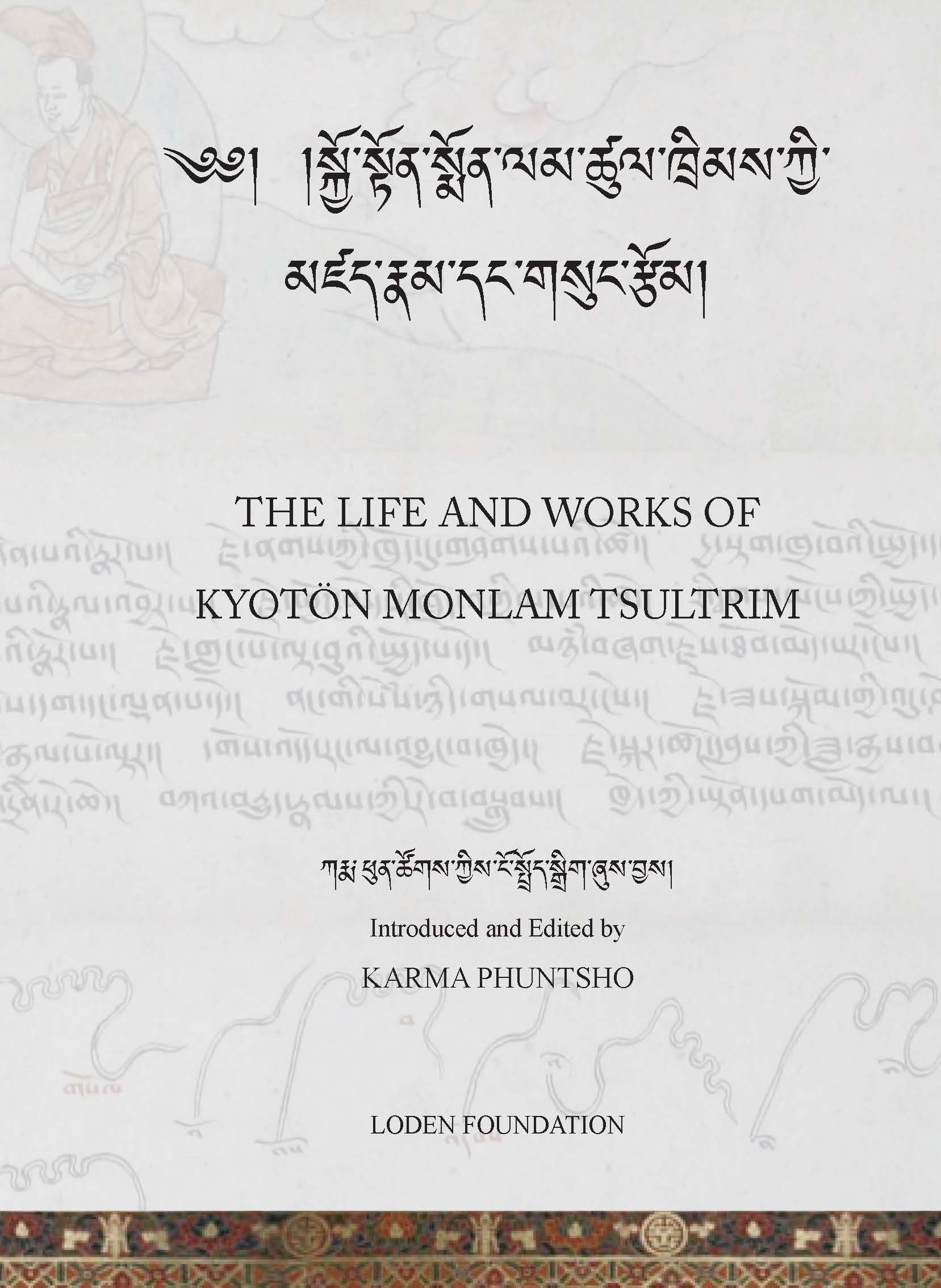
The Life and Works of Kyotön Monlam Tsultrim publishes the collected works of the early Kadam master Kyoton in clear Uchen (dbu can) type based on the manuscripts in the Bka gdams gsung 'bum, which are very difficult to decipher in the old Ume (dbu med) scripts. The book contains many short works on buddha-nature and several other important subjects. It also includes a detailed introduction from Karma Phuntsho about the life and works of Kyotön. This publication was supported by Tsadra Foundation.
Kyotön Monlam Tsultrim, the abbot who led Narthang monastery at the peak of its history, was an illustrious figure of his time in Central Tibet. A resolute monk, a meditation master, a learned scholar, author, and public figure, he epitomized the high ideals, practices, and approaches of the Kadam school and championed its traditions of scriptural exegesis and meditation instructions. A Kadam luminary, he also left behind religious writings which hold great significance for Tibetan Buddhist scholarship and practice today.
The writings of Kyotön Monlam Tsultrim appear in volume 50 of the second batch and volume 61 of the third batch of the Collected Works of Kadam series published in 2007 and 2009 by Paltsek Bodyig Penying Zhibjugkhang and Sichuan People's Publishing House. (Source: Karma Phuntsho, Preface, page iii.)
| Citation | Phuntsho, Karma, ed. སྐྱོ་སྟོན་སྨོན་ལམ་ཚུལ་ཁྲིམས་ཀྱི་མཛད་རྣམ་དང་གསུང་རྩོམ། The Life and Works of Kyotön Monlam Tsultrim. Bhutan: Loden Foundation, 2023. |
|---|---|
Preface Kyotön Monlam Tsultrim, the abbot who led Narthang monastery at the peak of its history, was an illustrious figure of his time in Central Tibet. A resolute monk, a meditation master, a learned scholar, author, and public figure, he epitomized the high ideals, practices, and approaches of the Kadam school and championed its traditions of scriptural exegesis and meditation instructions. A Kadam luminary, he also left behind religious writings which hold great significance for Tibetan Buddhist scholarship and practice today. It was his short works on buddha-nature which initially drew the interest of modern scholars and my own attention as I began my work as writer-in-digital residence for the Tsadra Foundation. These short tracts, like the rest of his writings, were discovered about two decades ago in the library of Drepung and published by Paltsek Bodyig Penying Zhibjugkhang (Dpal brtsegs bod yig dpe rnying zhib ’jug khang, དཔལ་བགས་ད་ག་ད་ང་བ་འག་ཁང་) under the aegis of Alak Zengkar Rinpoche. At the invitation of Karma Delek, who was at that time leading the project on the ground, I witnessed the work of listing and scanning these books in Drepung in 2002 during my first trip to Tibet. Without their massive and sustained initiative to preserve and make accessible the literary wealth of Tibet, which has suffered colossal damage and destruction in the twentieth century, we would not have much knowledge of Kyotön and many other masters of Tibet. The writings of Kyotön Monlam Tsultrim appear in volume 50 of the second batch and volume 61 of the third batch of the Collected Works of Kadam series published in 2007 and 2009 by Paltsek Bodyig Penying Zhibjugkhang and Sichuan People’s Publishing House. Volume 50 contains most of his writings, making up a full book containing 24 titles with 425 pages, and volume 61 in the third batch contains only five titles ranging from pages 117–166. The titles in volume 61 were discovered after publishing the first set in volume 50 and thus were added later. The original books are stored in Nechu Lhakhang, the temple in which the statues of the Buddha and the sixteen arhats are located, in Drepung monastery in Tibet. They are books in loose leaf (poti, ་ ་) format and written in obscure Ume (dbu med, ད ་ ད་) script, which, in numerous cases, are abbreviated, faded, or poorly inscribed. The texts also contain many annotations in small cursive letters, most of them added after the books were written, inserted between the lines or al་ong the margins. The books are marked “external” (phyi, ་) to perhaps indicate that they were brought from outside and housed in Nechu Lhakhang in Drepung monastery. Apart from this, there is no information available on the provenance of the books before they reached the library in Drepung where they have remained sequestered for several centuries. It is quite likely that these books along with thousands of other titles, including those that are now lost, were deposited in Drepung as the Ganden Phodrang rose to political power in Tibet in the middle of the seventeenth century. For the recensions of these texts in this book, we used the scanned copies of the texts as exemplars, as we did not have direct access to the original manuscripts. We had initially used the scans available on the Buddhist Digital Resource Center, but due to their poor resolution we subsequently used the higher resolution scans prepared by Marcus Perman from the printed copies. The biography of Chim Namkha Drak in prose by Kyotön Monlam Tsultrim and the biography of Kyotön himself by Nyima Gyeltsen, however, are not from the Collected Works of Kadam series. They are reproduced from the manuscript of the Golden Rosary of Narthang available at the Buddhist Digital Resource Center. The biographies were written in clear Uchen script and can be found on pages A279–B384 in that version of the Golden Rosary of Narthang. Although the scans of the original texts of these two biographies are clear and easy to read, they have been reproduced here to make this book comprehensive in presenting the life and works of Kyotön Monlam Tsultrim. Our main objective for reproducing the books in Uchen (dbu can, ད ་ཅན་) typeset is to make the writings easily accessible to readers, including international researchers and Himalayan readers who do not have knowledge of Ume script. Having a computerized type set also helps us have searchable texts for various purposes. In the process of the input and compilation of this volume, we have also been able to ascertain the true works of Kyotön from those mistakenly attributed to him by the editors of the Collected Works of Kadam series and before them by the curators of the archives at Nechu Lhakhang in Drepung. Close reading of the texts helped us verify most of the cases, but a few still remain to be confirmed. Although included in volume 50 containing works attributed to Kyotön, the biographies of Paldenpa (alias Drotön Dutsi Drak), Chumikpa, Sangay Gompa, and Zhang Chökyi Lama are excluded from this book. The versions of these biographies in Ume script in volume 50 do not have colophons, but the near identical versions in the Golden Rosary of Narthang have colophons showing Chim Namkha Drak as their author, and the titles are also listed among the writings of Chim Namkha Drak by Kyotön. However, the hagiography of Chim Namkha Drak in verse found in volume 50, like the long prose biography of Chim Namkha Drak in the Golden Rosary of Narthang, is undoubtedly a composition of Kyotön. In volume 61, the short longevity ritual text entitled The Heart of All Buddhas (Bde gshegs kun gyi snying po, བ་གགས་ན་ི་ང་་) included among Kyotön’s writings has a colophon showing Padmasambhava as the author, and the two sādhana practice manuals of Parṇaśavarī are clearly works of Chomden Rikpai Raldri, while one text entitled A Hundred Verses on the Noble Qualities of the Followers of Kadam Scriptural Tradition (Bka’ gdams gzhung pa’i rnam thar tshigs su bcad pa brgya pa, བཀའ་གདམས་གང་པ་མ་ཐར་ གས་་བཅད་པ་བ་པ་) appears to be a work of someone after Kyotön. Thus, these three texts are not included in this book, although they are classified as writings of Kyotön in the Collected Works of Kadam series. Many other writings attributed to Kyotön may also be only recensions of texts composed by authors before Kyotön, but we cannot conclusively ascertain this without further evidence. For example, the colophon of the Instructions on Perfection (Phar phyin gyi man ngag, ཕར་ན་ི་མན་ངག་) states that Kyotön, “the great master, the eighth abbot of Narthang wrote this from/based on the text of Nyen and the monk Chökyi Gyeltsen transcribed and edited it (གཉན་ི་ ད་ལ་བ་དན་ན་་ར་ཐང་པ་བད་པར་ན་པས་ས། ་ལ་བན་པ་ས་་ལ་ མཚན་ིས་ས་ང་ས་་དག་པར་ས་པ།།). It is very likely that this text was composed by one Nyen and Kyotön merely transcribed it, but it is also possible that he used the text by Nyen as a basis to write this text. We also find many other titles such as the Instruction on the Ultimate Continuum of Mahāyāna (Theg pa chen po rgyud bla ma’i gdams pa, ག་པ་ན་་ད་་མ་གདམས་པ་), the Repository of Pristine Wisdom (Ye shes kyi bzhag sa, ་ས་་བཞག་ས་), Instructions on Reality (Chos nyid kyi khrid, ས་ད་་ད་) and Instructions for Dying (’Chi kha’i man ngag, འ་ཁ་མན་ངག་) attributed Kyotön, as explained below in the introduction, although these titles appear in the list of teachings he received from his teachers and among the writings of earlier masters. Thus, it is difficult to ascertain if the texts bearing these titles among Kyotön’s writings are original compositions of Kyotön with similar titles or merely earlier texts transcribed or redacted by him. However, the fact that they appear in different lists suggests their importance and use by the scholars of the time, and their authorship can be confirmed only when further evidence comes to light.
"Emptiness" is not in the list (Yogācāra, Madhyamaka) of allowed values for the "PosYogaMadhya" property.
