Explore

From Buddha-Nature
ExploreOld
Revision as of 16:09, 31 July 2020 by Marcus (talk | contribs)
Explore
Explore the subjects
Featured Content
Vienna-Symposium-Banner-for-Workshops-Meetings-Tsadra-website.jpgIncreased attention to the tathāgatagarbha doctrine in the last decade has lead to significant publications and meetings on the topic of buddha-nature and related themes. Scholars in Asia, Europe, and the Americas have published new translations and studies of the foundational scriptures and commentaries, and are examining the history and literature of the doctrine. In July 2019 Tsadra Foundation partnered with the University of Vienna to bring many of these scholars together for an international symposium titled Tathāgatagarbha Across Asia.
See all presentations
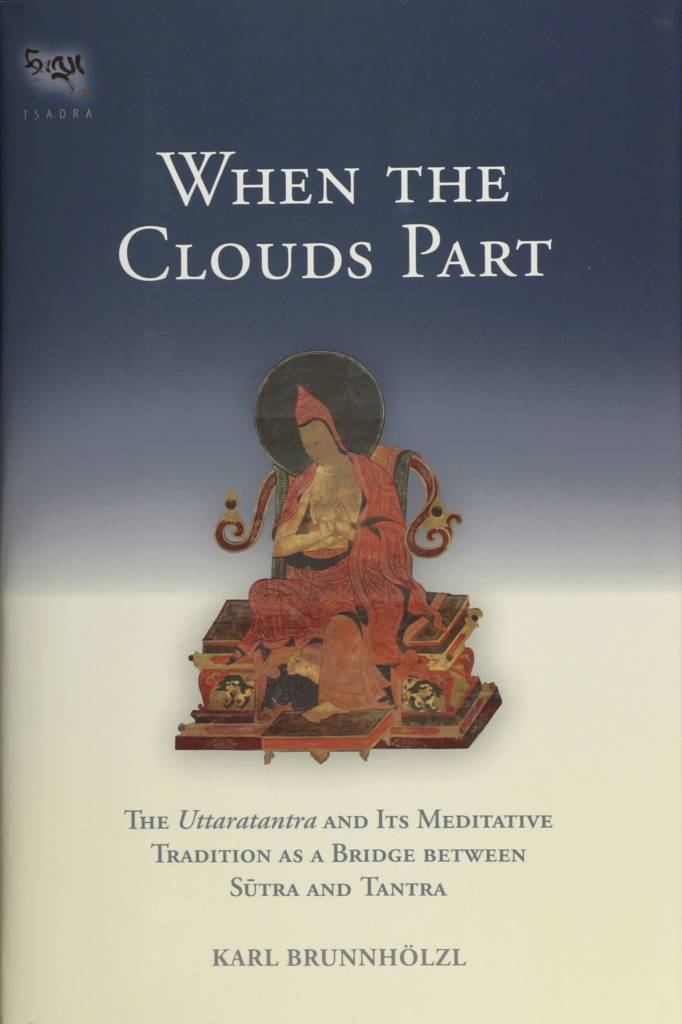
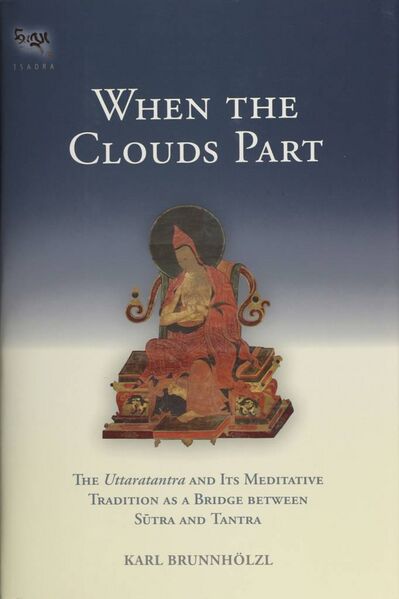
In this wide-ranging video interview, Karl Brunnhölzl discusses buddha-nature and the key topics related to it. He begins by defining buddha-nature and then moves on to discuss such topics as the debate that the doctrine has generated, the concepts of emptiness and luminosity, and how buddha-nature relates to Vajrayana practice.
Translation project
'Gos Lo tsā ba gZhon nu dpal's Commentary on the Ratnagotravibhāgavyākhyā

'Gos Lo tsā ba gZhon nu dpal's (1392–1481) extensive commentary on the Ratnagotravibhāga (RGV), the standard Indian treatise on the doctrine of buddha nature, provides a rich source of information about the early transmission of the Tibetan Buddhist canon. In it we find not only a complete 15th-century Tibetan version of the RGV (including Asaṅga's commentary), but also a critical philological review of the earlier Tibetan canonical translation by rNgog Blo ldan shes rab (1059–1109) against the background of the original Sanskrit about which 'Gos Lo tsā ba was exceptionally knowledgeable. 'Gos Lo tsā ba's study, rife with quotations from a great variety of texts from both the bKa' 'gyur and bsTan 'gyur, thus offers representative samples from all strands of Indian Buddhist literature. 'Gos Lo tsā ba's Gyülama commentary is not only the first available commentary belonging to the meditation tradition (Tib. sgom lugs) of the Maitreya works, but also includes a tradition of teaching Mahāmudrā based on the sūtras and the works of Maitreya.
Translators
Klaus-Dieter Mathes
Katrin Querl
Jamie Gordon Creek
Source text
From the experts
In this interview Professor Klaus-Dieter Mathes discusses buddha-nature and the key ideas behind it, the controversies it generates, and some of the related Buddhist philosophy in comparative perspective.
In this video interview Wulstan Fletcher discusses Mipham's and Longchenpa's approach to buddha-nature as well as his personal experiences with buddha-nature teachings and how they have influenced his practice.
In this video interview Elizabeth Callahan discusses the key terminology that is used when speaking of buddha-nature. She explains the term ordinary mind and elaborates on the meaning of buddha-nature.
Other Interviews
Publications
Study the sources
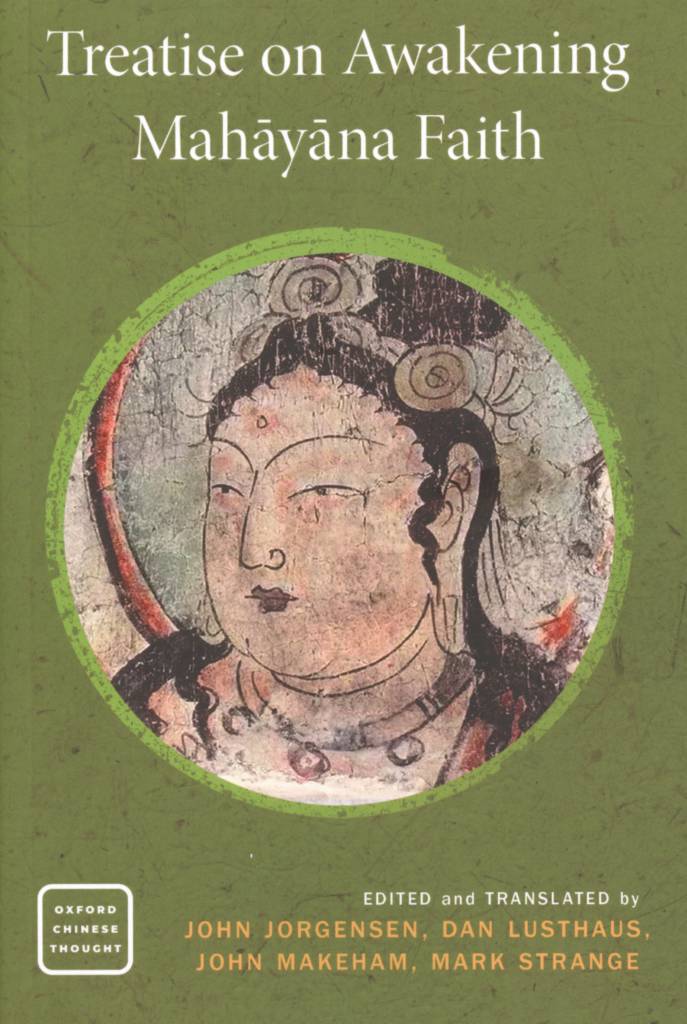
The seeds of buddha-nature teachings are sprinkled throughout the sutras and tantras of the Buddhist canon. A core group of scripture that initially taught buddha-nature known as the tathāgatagarbha sūtras date between the second and fourth centuries. These include the Tathāgatagarbhasūtra, the Mahāparinirvāṇasūtra, the Śrīmālādevīsūtra and several others. The famous Laṅkāvatārasūtra was also important for buddha-nature theory. In Tibetan Buddhism the late-Indian treatise Ratnagotravibhāga Mahāyānottaratantraśāstra, or "Gyu Lama" as it is known in the Tibetan, serves as a major source for buddha-nature. In East Asia the Awakening of Faith in the Mahāyāna (大乗起信論) was the most influential treatise in spreading buddha-nature theory.
Explore the root verses
I.28
French
Traditional expositions